UV Lamp Mercury vs Metal Halide: Picking the Right Arc for Industrial Curing
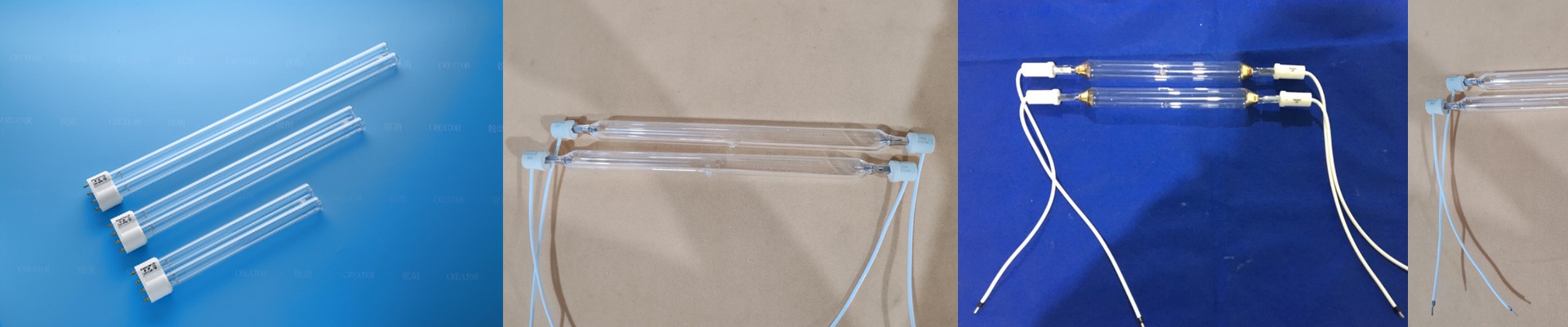
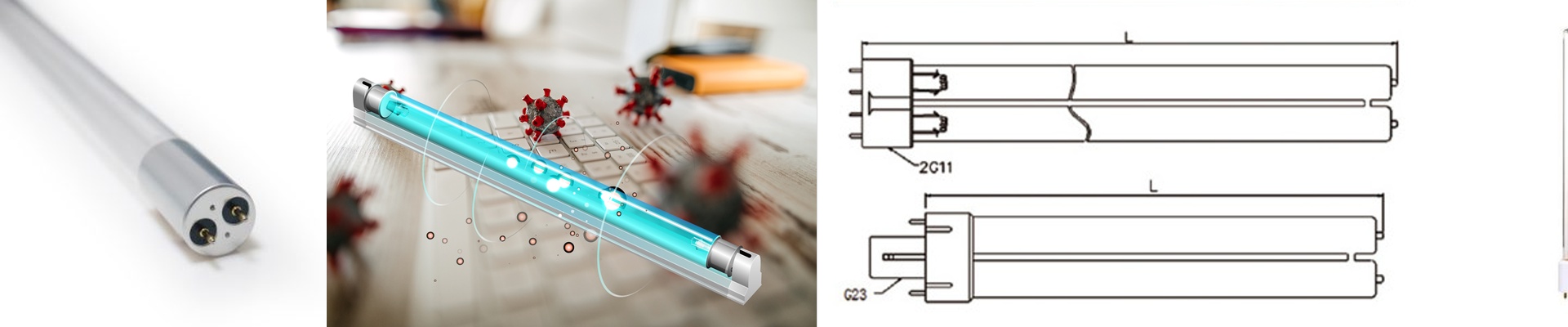
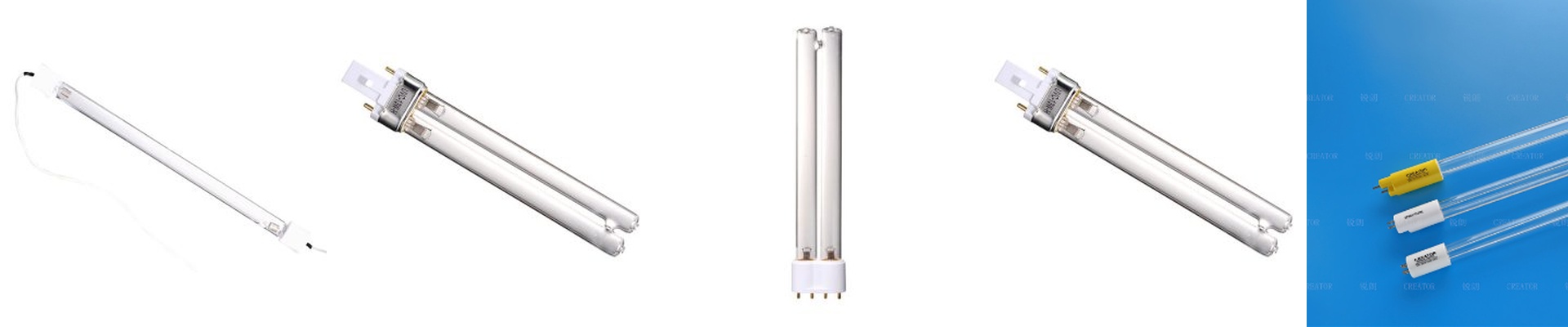
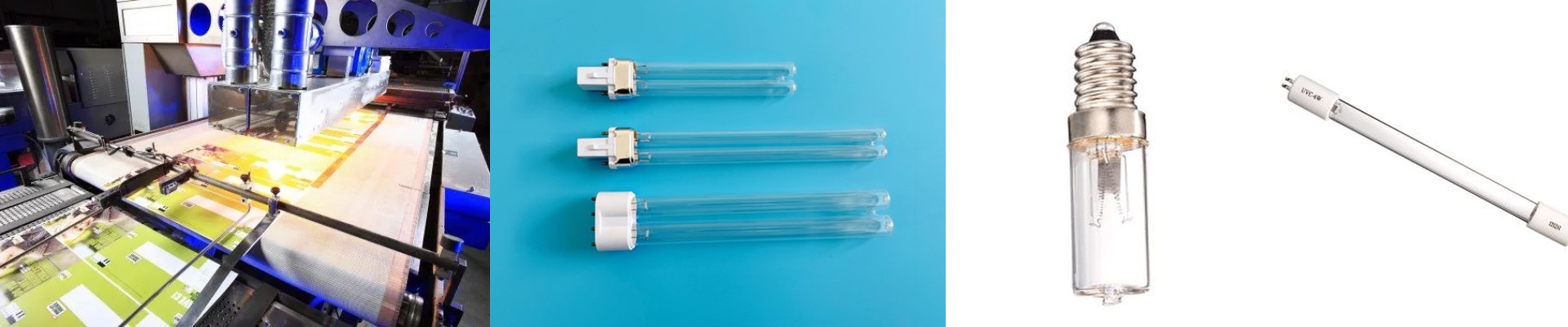
We build UV lamps for industrial heating and curing, and honestly, the biggest decision comes down to one thing: the arc fill. Do you go with mercury, or metal halide? Mercury lamps give you a powerful, steady 254nm output. It’s the kind of light that’s perfect for hardening thin coatings and inks—clean, fast, and reliable. Metal halide, on the other hand, brings a broader spectrum to the table. That extra range helps you penetrate thicker layers, so you can get a deep, thorough cure on plastics and adhesives.
The Nitty-Gritty: Power, Voltage, and Shape
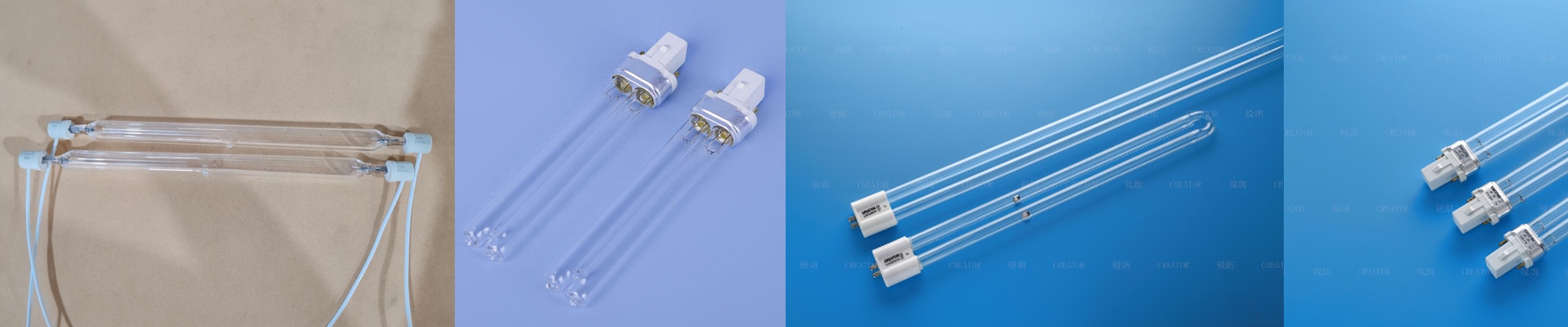
When we engineer these lamps, we’re not just throwing wattage at the problem. We’re matching specific power and voltage to the real-world job. Take a 2500W, 400V unit, for example. It packs a serious punch into a small footprint, giving you high heat density right where you need it. The 300mm length and 10mm diameter are no accident, either. They’re designed to set the right thermal profile, so you can focus on a tight line or cure a small area with precision. And wiring it up? It’s straightforward. You match it to your control gear, so the ballast and reflector are perfectly synced with the arc length and electrical load.
What’s Inside: Quartz, Coatings, and a Simple Connection
The tube itself is quartz. We use it because it can handle the thermal shock and transmit UV light without getting soft or failing. We also add halogen doping, which keeps the quartz clean while the lamp is running. That means the output stays stable over the lamp’s entire life. On the outside, special coatings manage the infrared. The payoff is simple: more UV per watt, and less unwanted heat hitting your sensitive materials. And for the connection, we use an R7s connector. It’s robust, direct, and makes installation a breeze. You can swap it into an existing fixture and just get to work.
Matching the Lamp to the Job
Mercury lamps are the workhorse for standard coatings. You get consistent, high-intensity curing, day after day. Metal halide gives you that flexibility across the spectrum, which is exactly what you need for thicker or pigmented materials. But that broader range does mean you need tighter reflector alignment and better cooling. Either way, you’re getting a lamp that can take a beating on the production line. Just remember, with 2500W of density, your machine’s cooling needs to be up to the task. Keep the lamp and the substrate from overheating, and you’re in good shape.