Why the Right Cathode Makes High-Cycle UV Lamps Actually Last
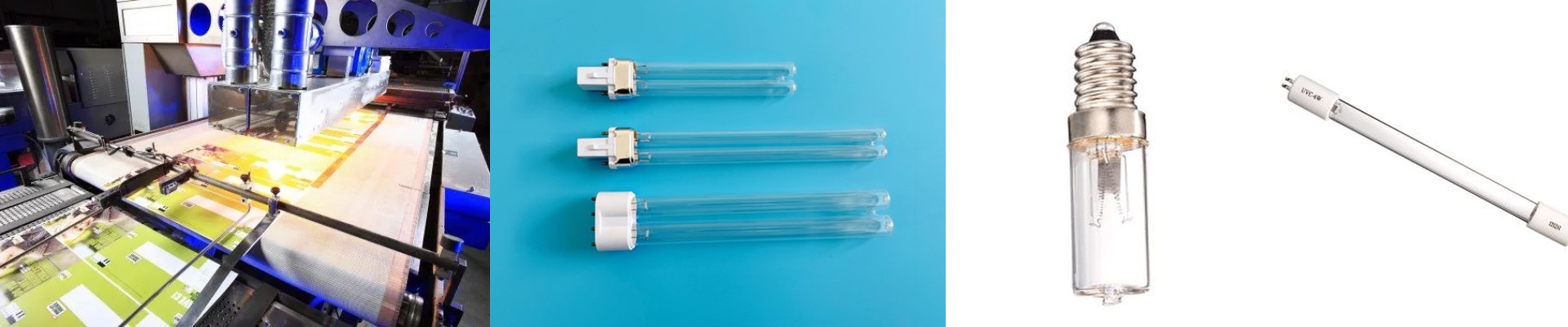
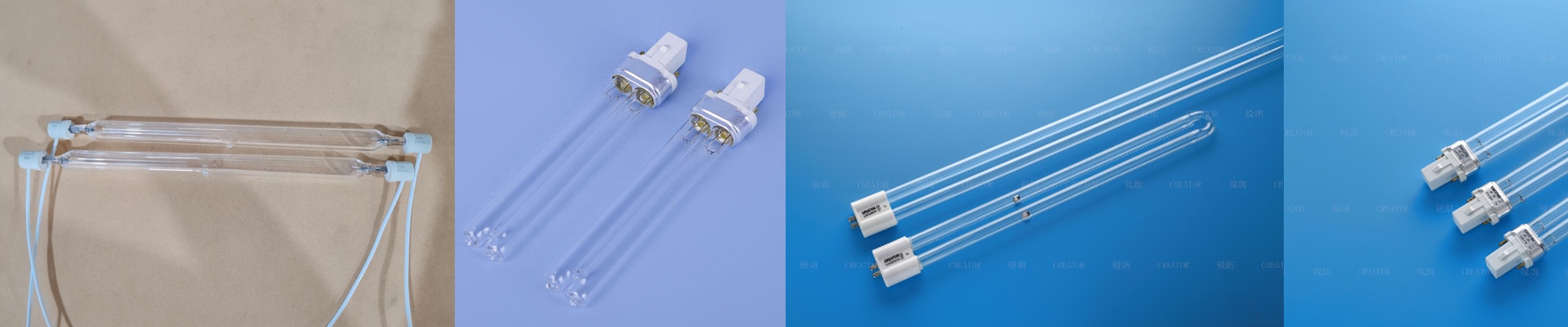
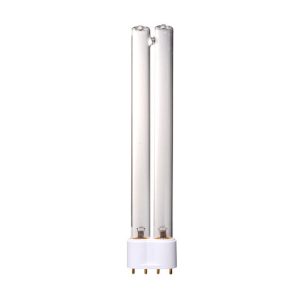
We build UV lamps for engineers who live in the fast lane—line speeds that jump, stop, and go, with curing that has to keep up. And the question you’re always chasing is the same: how do you hit hundreds of thousands of rapid flashes without the lamp giving up? It comes down to something you can’t see from the outside: the cathode.
The real speed secret isn’t more power. It’s physics.
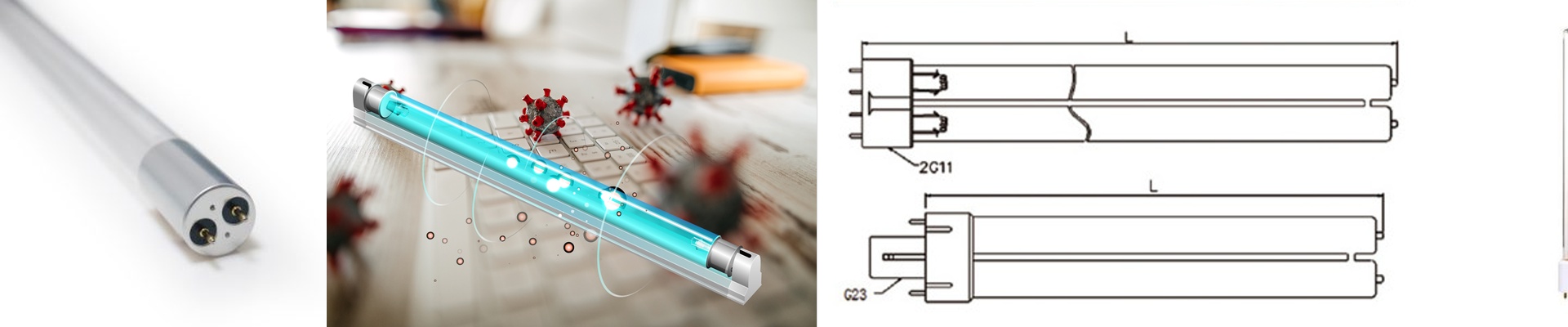
A UV lamp that survives rapid on/off duty isn’t “better” just because it’s brighter. It’s better because it can heat, emit, and cool quickly—without beating up the electrodes. A low thermal inertia cathode keeps the electrode temperature steady through every flash, so the arc strikes fast… and strikes the same way every time. That’s what makes tens of thousands—even hundreds of thousands—of fast cycles possible without the lamp dying early. Yes, the basics still matter. We match voltage and power to the lamp length and arc gap so it lights cleanly when you need it. But if the cathode holds onto too much heat, the lamp starts to struggle to re-ignite after each stop. And when it struggles, you get repeated high-current surges. Those surges wear the electrodes down faster. Faster than you want.
Cathode design: built to resist the grind of constant cycling
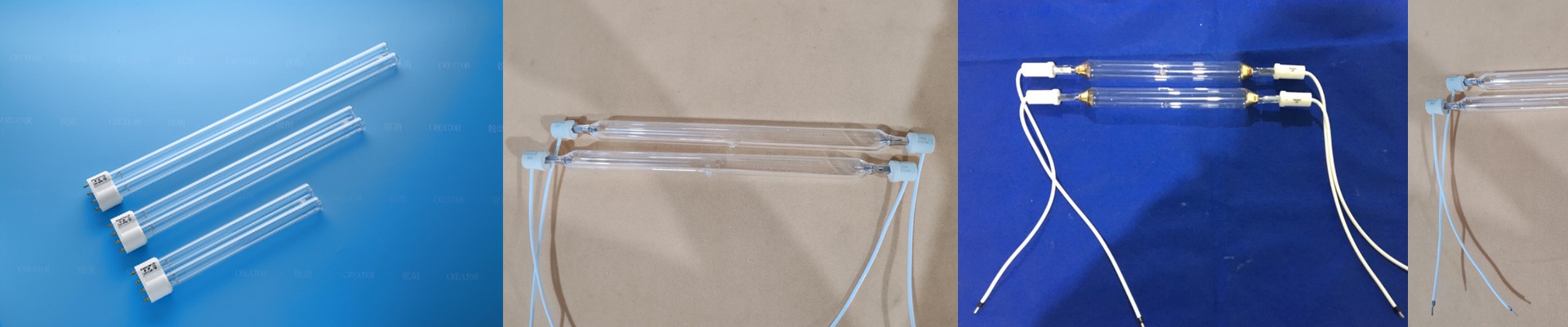
We focus on cathode materials and geometry that don’t fold under cyclic stress. Because what you really need is steady electron emission over time—not just a bright first flash. Anti-fatigue cathode engineering reduces sputtering and the blackening that shows up at end-of-life. That’s the stuff that quietly kills lamps in high-cycle work. Thermal mass is the enemy here. The more heat the cathode stores, the harder it is to cycle fast. A low thermal inertia structure heats and cools quickly, so the cathode doesn’t overheat during long runs—yet it’s still ready for the next flash. That means less thermal shock at the seals, and more stable gas chemistry inside. But there’s a trade-off: faster thermal response needs tighter control from the power supply. You need a driver that can deliver the right ignition pulse without pushing the lamp too hard.
What this means on the line: less downtime, more confidence
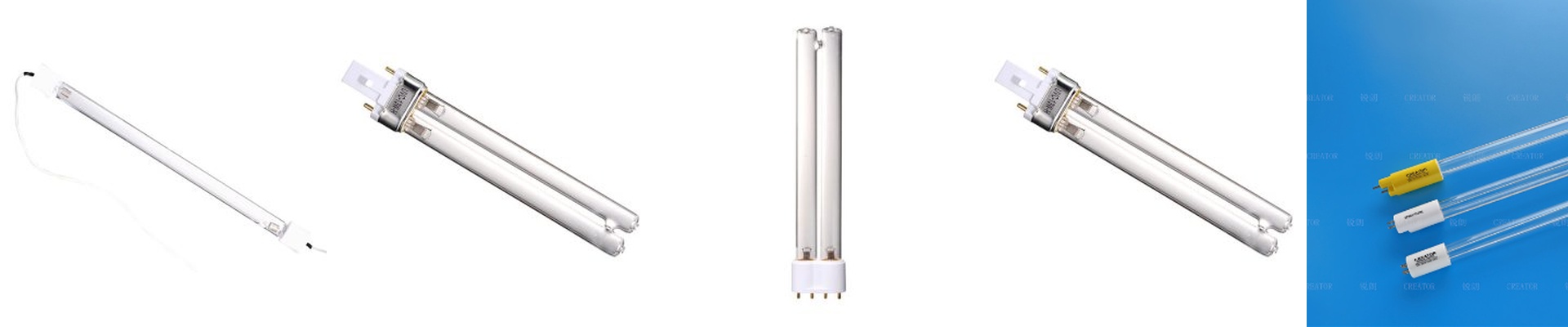
In rapid flash curing, uptime isn’t a nice-to-have. It’s the whole point. A UV lamp with a low thermal inertia cathode gives you starts you can count on, stable output, and longer life when you’re cycling constantly. Fewer lamp changes. Fewer micro-stops. And a line speed you can plan around. We build that reliability into the lamp so it drops right into your existing fixtures as a direct replacement. Wire it up, set the driver to match the spec, and run. If your process depends on fast, dependable UV exposure, the cathode is where that dependability is earned.