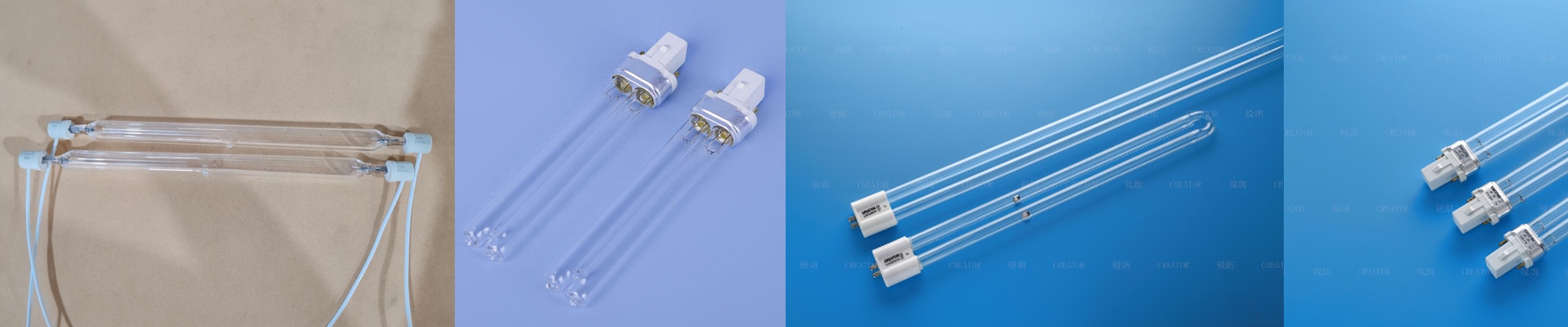
Introduction
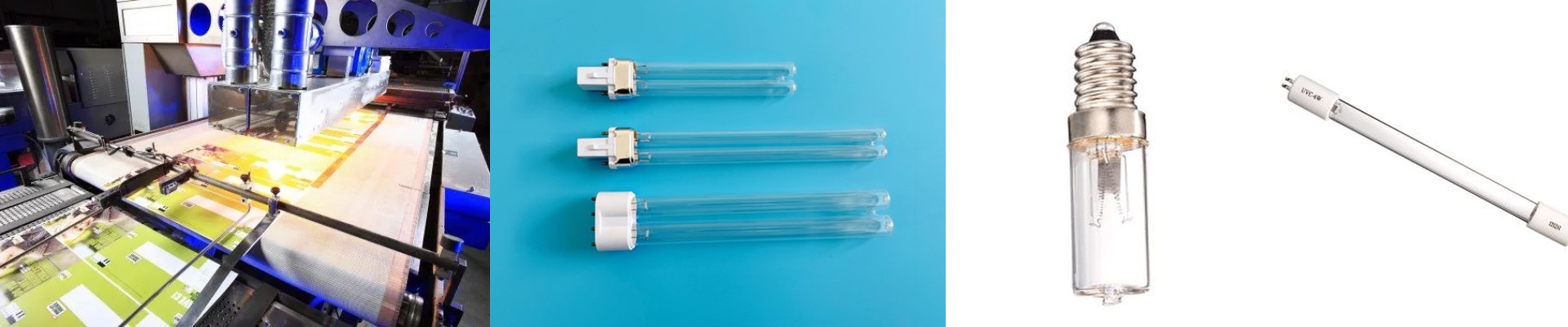
We built this custom 254nm UV sterilization lamp for one reason: to get old printing equipment back on its feet. Because when your legacy machines start to slow down, scrapping them isn’t the only answer. We wanted a fix that felt smart, not drastic. So we zeroed in on the bottleneck—sterilization—and built a lamp that delivers a precise 254nm output. It’s designed as a direct drop-in upgrade, so you can get your line speed back without having to say goodbye to the asset you’ve already invested in.
Technical Deep-Dive
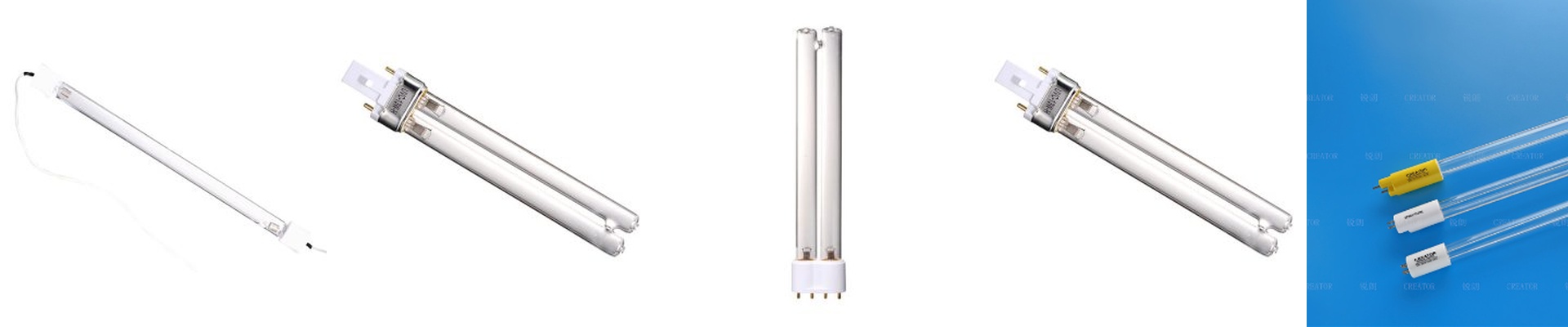
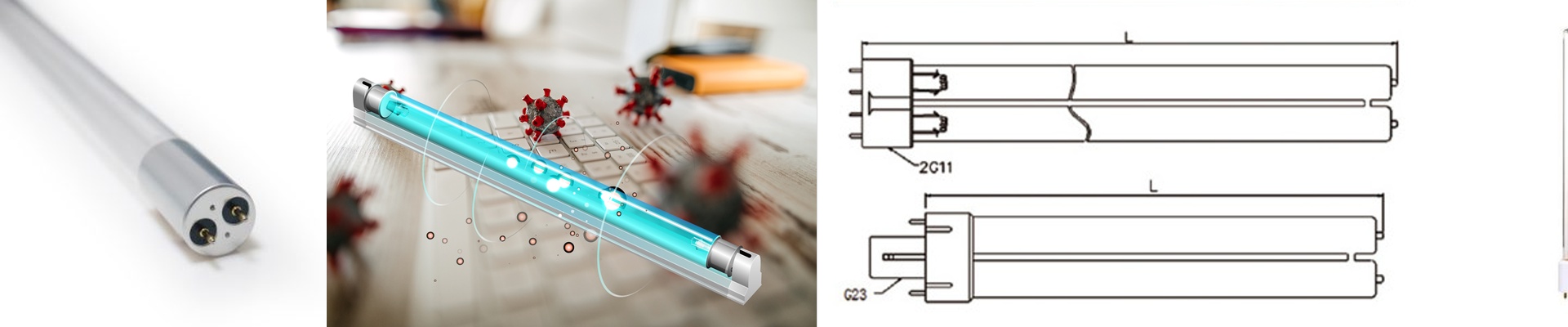
We tuned the lamp to 254nm, the germicidal wavelength that breaks down microbial DNA. On a printing line, that means faster curing and cleaner surfaces—no chemical residue left behind. We sized the power to deliver serious intensity in a compact footprint, so the beam hits the critical zone without overloading your existing electrical circuit. And the geometry? It matches the original equipment’s mounting points and optical path, so it fits like it was always meant to be there.
Material & Design
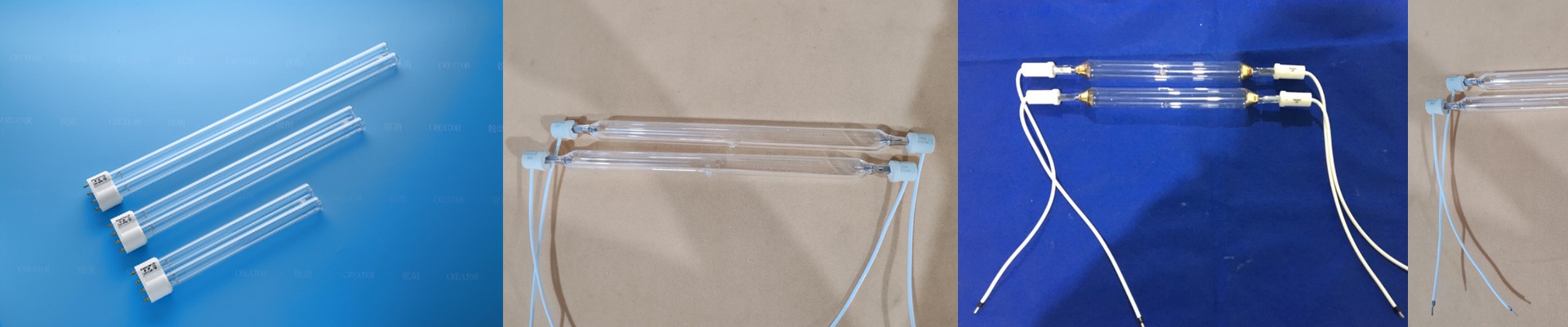
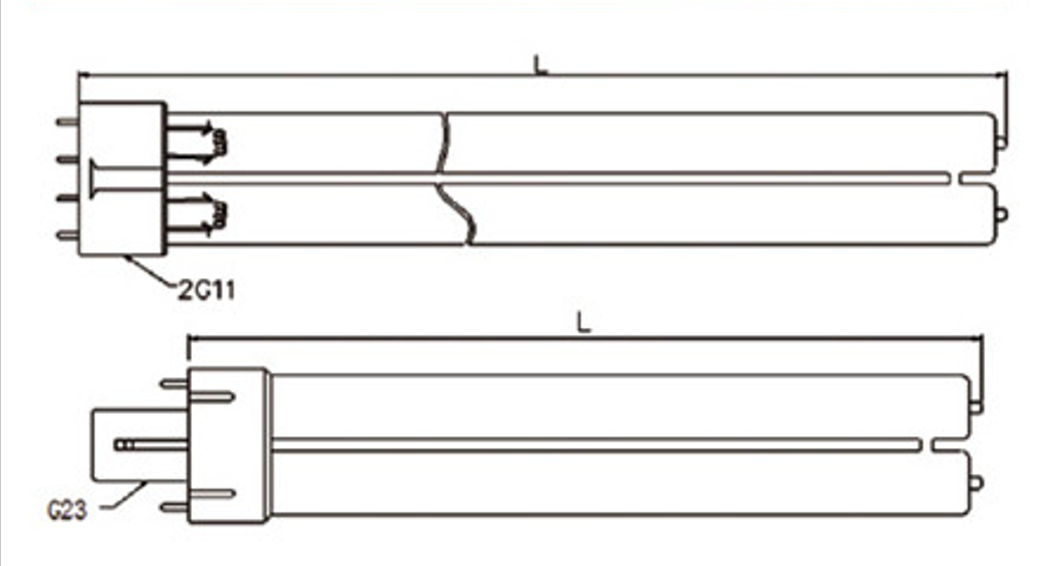
We chose a high-purity quartz sleeve to keep UV transmission strong at the required wavelength. It handles thermal shock and the high heat density needed for stable output, day after day. Installation is straightforward, thanks to the R7s connector. It’s a standard interface on many industrial fixtures, so you can wire it in without re-engineering the socket or panel. The coating and seals are built for the real world—continuous duty, heat, vibration. This lamp is made to take a beating and keep performing.
Application & Benefits
Out on the shop floor, this setup turns an aging press into a productive workhorse again. The lamp replaces slower, lower-output units, so dwell time drops and microbial contamination on the substrate gets cut way back. Because it’s a direct retrofit, downtime is just the time it takes to do a simple swap. Here’s the reality check: the higher output density means your machine’s cooling system needs to be up to the task. If the cooling can’t keep pace, the lamp will run hotter than it’s designed for. But match the thermals, and you get consistent output, stable curing, and uptime you can actually count on.