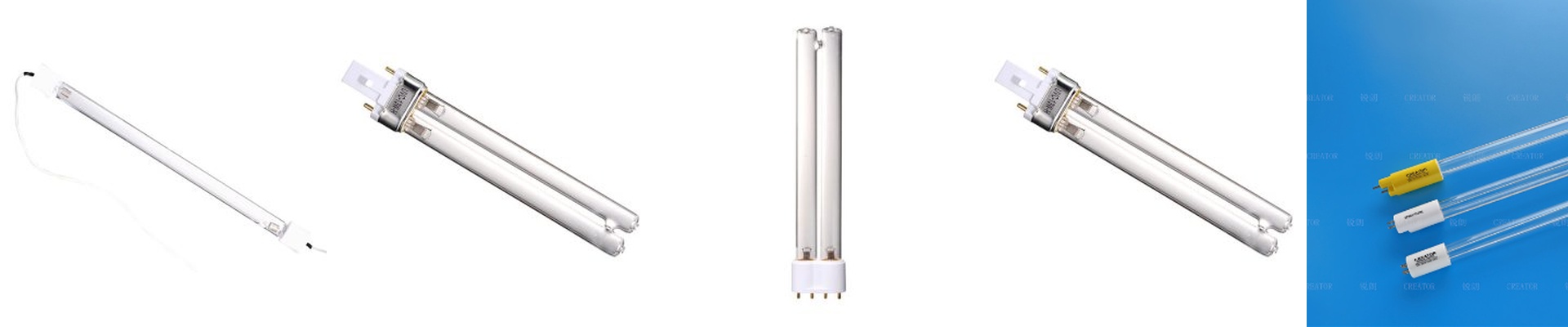
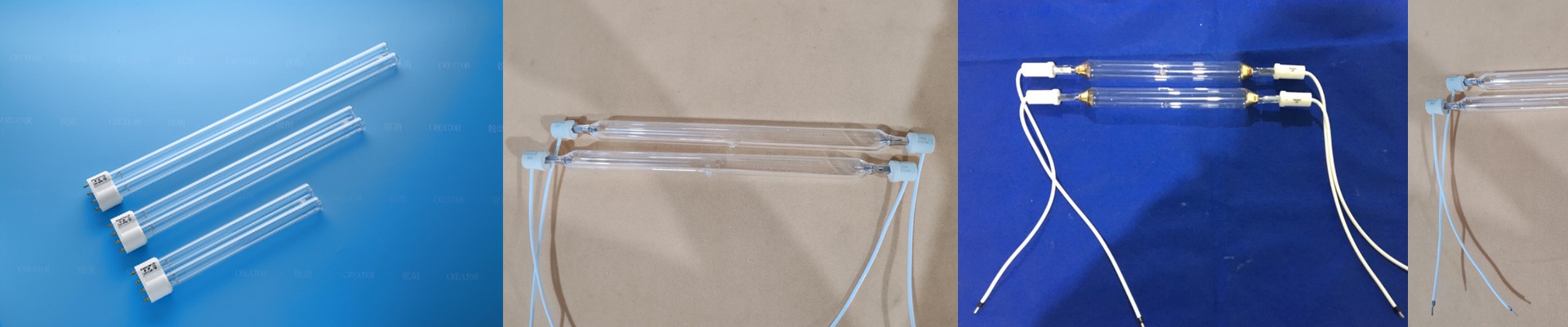
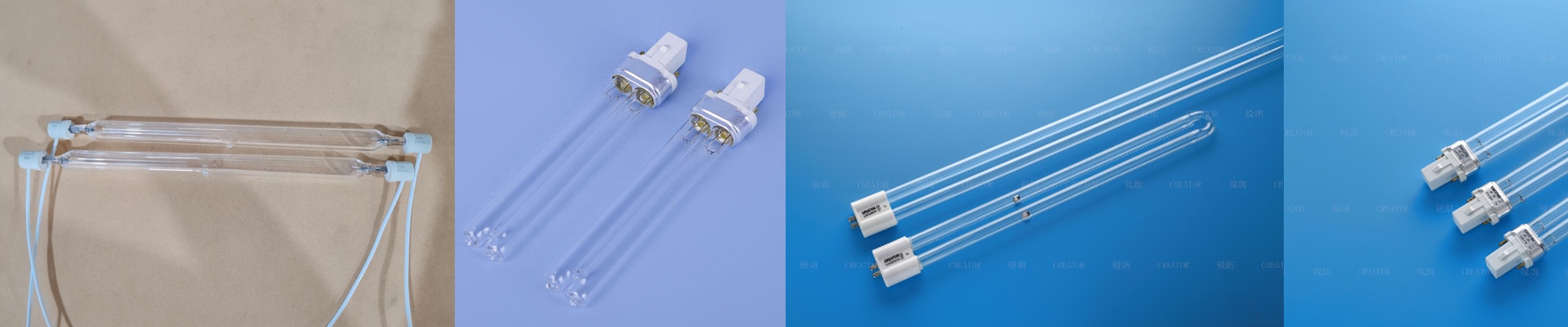
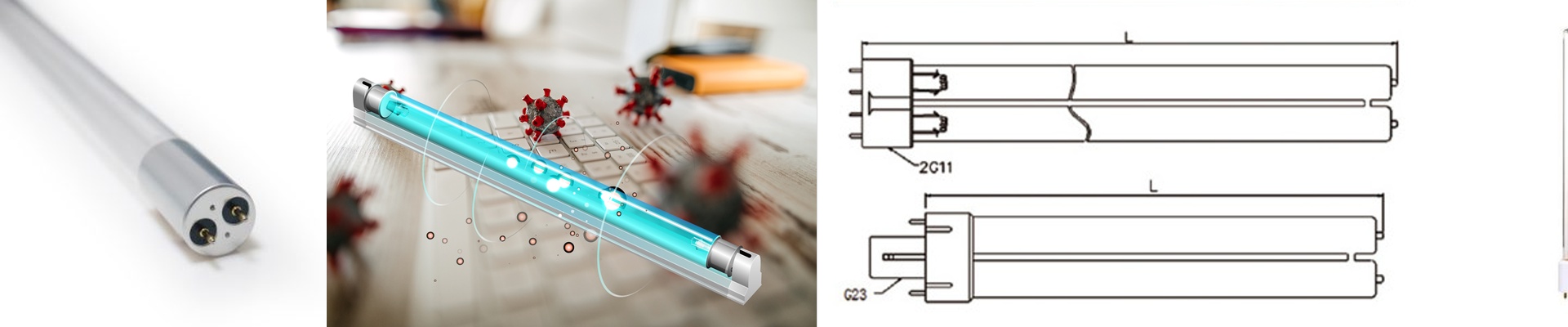
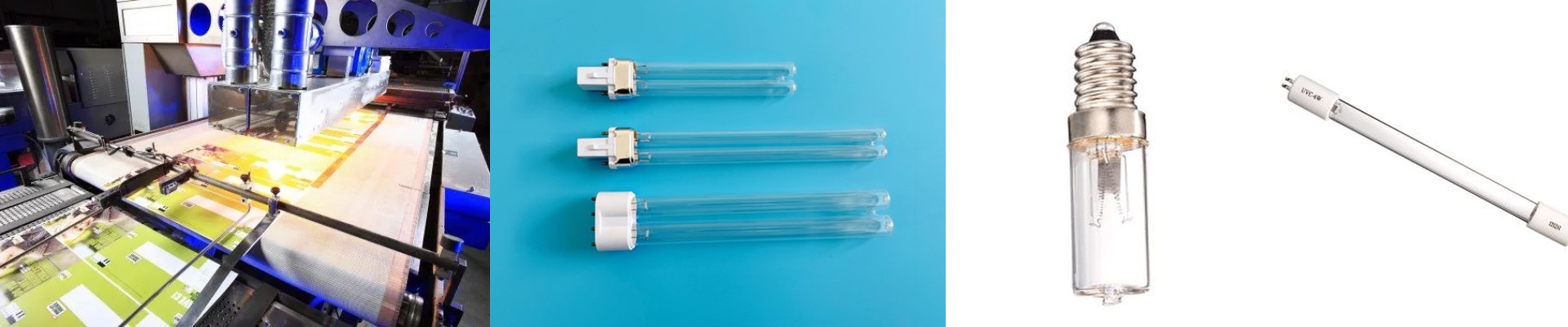
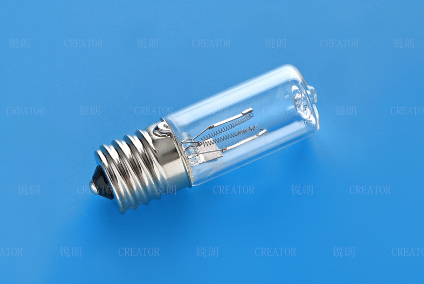
On the press floor, unplanned downtime isn’t just an inconvenience—it’s money going up in smoke. When a UV lamp takes a dive mid-run, you’re suddenly scrambling to swap it out, juggling ink that’s starting to grab, and watching uncured sheets pile up. Traditional fixed-lamp setups mean popping housings, wrestling with wiring, and waiting on a service call. We built this handheld UV curing unit around a different idea: modular lamps with a quick-disconnect that puts control back in your hands.
The technical stuff that actually matters
This handheld runs on a high-pressure mercury vapor lamp, tuned to deliver stable UVA output with a peak at 365 nm. That wavelength hits photoinitiators across offset, flexo, and screen UV inks, driving cross-linking fast without cooking the substrate. These aren’t claims—they’re measured numbers you can verify on the floor:
- Peak irradiance: up to 1200 mW/cm² at the focal point, checked with a calibrated spectral radiometer.
- Curing energy density: 800–1200 mJ/cm² at typical scan speeds, enough for most pigmented systems.
- Spectral stability: less than 3% output drift over the first 2000 hours, thanks to a reflector geometry and dichroic coating we developed in-house.
- Lamp life: 3000+ hours to 80% of initial output, with a predictable degradation curve so you can plan the swap, not react to the failure. The modular design hinges on a tough quick-change connector that carries high-current power, control signals, and cooling in one interface. One latch releases the lamp module. Swap it in, latch it, and you’re back curing. No tools. No recalibration. And you don’t have to re-map reflector alignment.
Why this works where the ink meets the substrate
When a lamp goes, you need to be back online in minutes, not hours. Our modular lamp and quick-disconnect cut replacement time to under two minutes. Here’s what that buys you on the line:
- More press uptime: Swap lamps during breaks or color changes, and you avoid surprise stops.
- Consistent cure: The reflector and lamp module are aligned at the factory, so spectral output and focal profile repeat every time you replace the module.
- Fewer spares on the shelf: One lamp module can cover multiple handheld units, which means fewer unique parts to stock. We built this unit for the way industrial printing actually runs—moving between jobs, curing on the fly, and turning around short runs quickly. The 365 nm output gives you penetration into thicker ink films while still curing the surface fast, so you don’t fight tackiness or inter-coat adhesion issues. The payoff is predictable curing on coated and uncoated stock, with fewer rejects and less rework. In practice, the comparison is straightforward. Older fixed-lamp systems with complex housings tend to lose output stability over time. Our modular approach keeps output consistent through the life of the lamp, stretches replacement intervals, and lowers total cost of ownership. Fewer lamp changes equals less downtime. Predictable output means fewer tweaks to the process. And an efficient reflector design puts more of the generated UV onto the ink, not into the housing.
What you need to know before you run it
The handheld unit is plug-and-play, but there are a few shop-floor realities to plan for:
- **Cooling:**The lamp module needs steady airflow. Keep intakes clear and don’t block exhaust vents, especially when you’re running at high duty cycles.
- **Power and connections:**It runs on 240 V with an IEC locking connector. Make sure your outlet matches, and route the cord so it won’t snag when you’re moving around the press.
- **Substrate sensitivity:**Thin films and heat-sensitive materials need controlled exposure. Use the adjustable shutter and adjust dwell time to hit the right energy density for the substrate, then verify the cure with a radiometer.
- **Ozone:**The lamp uses an ozone-free envelope. Still, ventilate tight spaces to clear any heat buildup. If you run mixed ink sets or jump between substrates often, match the lamp’s spectral output to your ink’s photoinitiator profile. For most standard formulations, 365 nm is spot-on. If your workflow includes LED-optimized inks, check compatibility with the mercury spectrum—some formulations need the narrow band of LED output to perform their best. When downtime is measured in minutes, the handheld UV curing unit with modular lamp replacement keeps the line moving. Replace the lamp in two minutes, get back to production, and keep the spectral output and energy density your process needs.