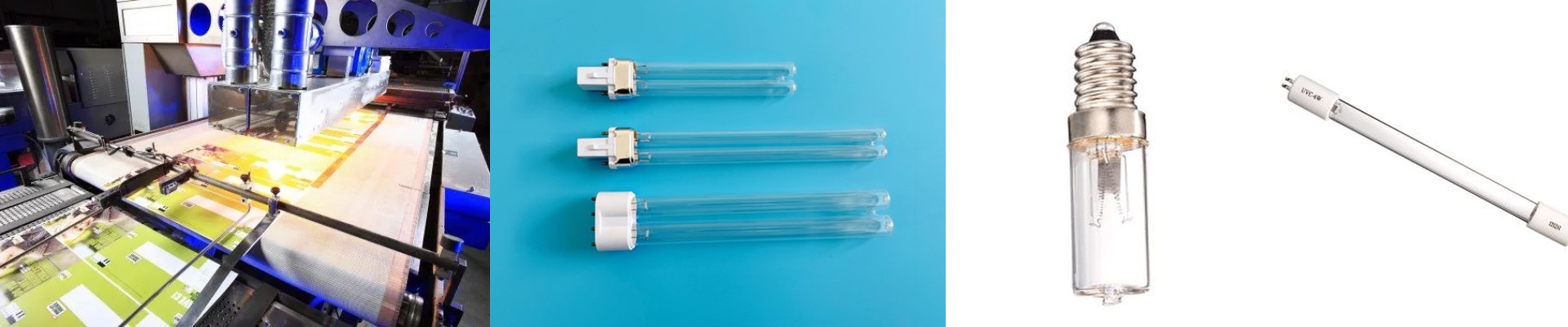
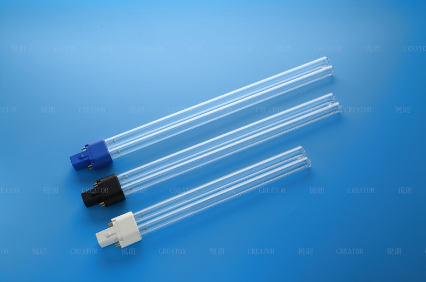
Getting the Most Out of Your Gallium Iodide UV Modules
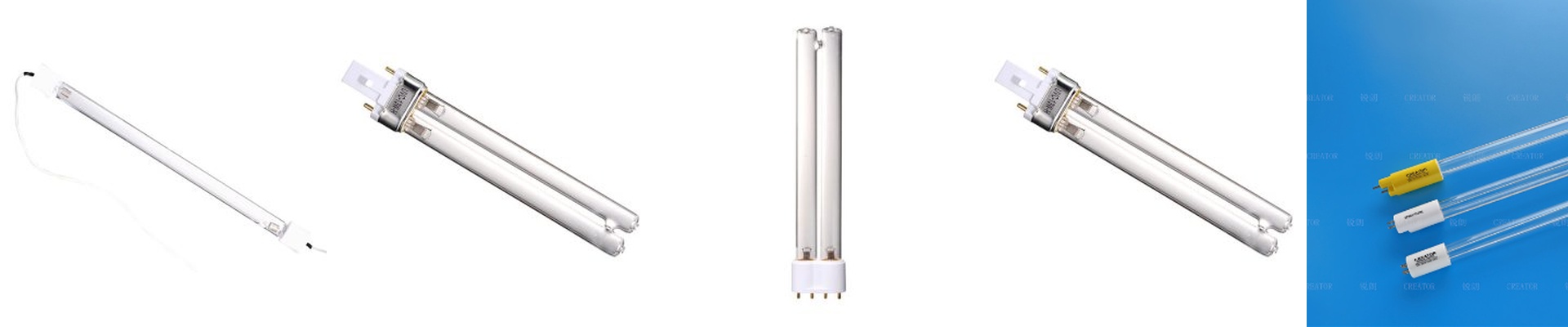
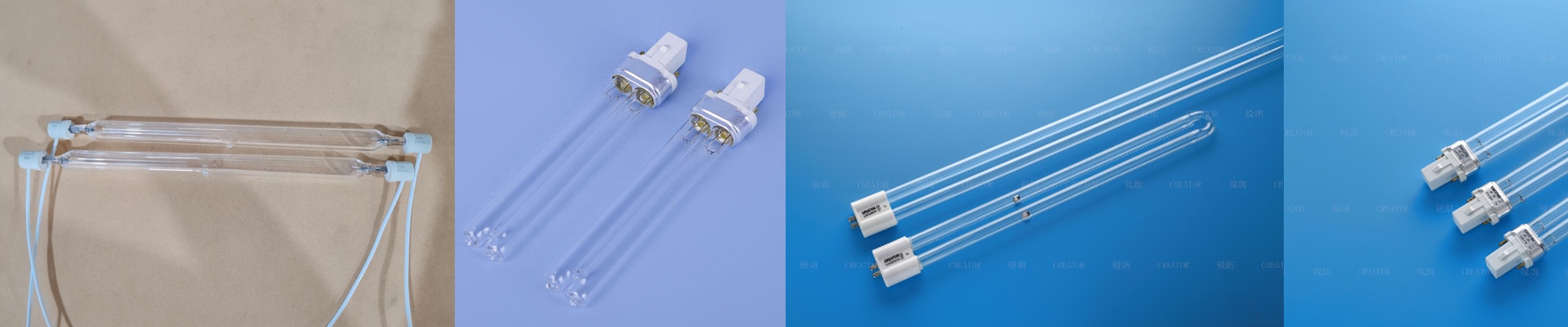
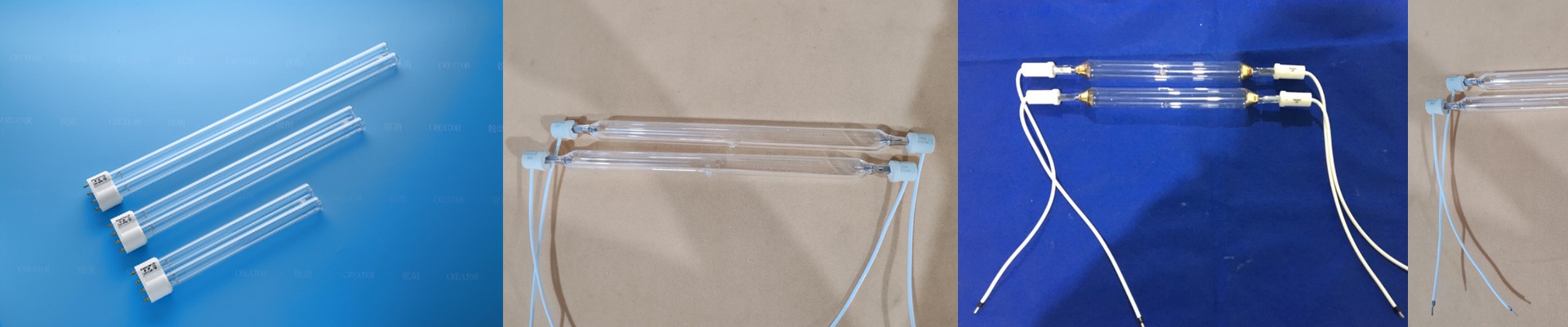
If you’re working with thick-film inks or those stubborn specialized coatings, you know the struggle. Standard mercury lamps just don’t cut it—they can’t punch through the surface to cure the ink all the way down. That’s where our Gallium Iodide (GaI) lamps come in. They hit a specific spot in the light spectrum that actually gets inside the material. The balance of power and heat Here is the thing about the GaI discharge: it shifts the UV light toward longer wavelengths. This is exactly what you need when your pigments are blocking the shorter waves. Now, we usually spec these modules based on how fast your line is moving. Sure, cranking up the wattage gives you more punch, but you have to watch the heat. If you push the power too hard without speeding up the conveyor, you’re going to warp your material. It’s a bit of a balancing act. More than just a lightbulb We don’t just ship you a bulb and wish you luck. We build the whole package—the quartz envelope, the reflector, and the cooling housing. We use high-purity quartz because we want to avoid “solarization.” You know that cloudy look glass gets after a while? That’s the UV radiation eating away at the material. We stop that from happening. Plus, we anodize the reflectors to make sure as much light as possible is hitting your product. When it comes to wiring, these should slide right into your current ballast systems. Just double-check your voltage. If they don’t match, you’ll either fry the filament or end up with ink that’s still tacky to the touch. Making it work on your floor The real trick is the fit. We look closely at the gap between the lamp and the ink. Getting them closer makes the light more intense. But be careful—if the gap is too tight, a little bit of ink splatter can ruin your quartz. It happens. To keep things running smooth, just set a schedule to wipe down the tubes. These modules are great drop-in replacements for old systems, but do me a favor: check your cooling fans. GaI lamps gethot. Really hot. Make sure your ventilation can actually pull that heat out of the chamber, or you’re just baking your equipment.