Getting Gallium Iodide UV Lamps Right
Let’s talk about Gallium Iodide (GaI) lamps. If you’re working in the 250nm to 350nm range, you know these things are powerful, but they can be temperamental. We spend a lot of our time obsessing over the gallium halide mix and the purity of the quartz. Why? Because if those aren’t spot on, your spectral output starts to drift midway through a production run, and that’s a nightmare for consistency.
The grit behind the glow
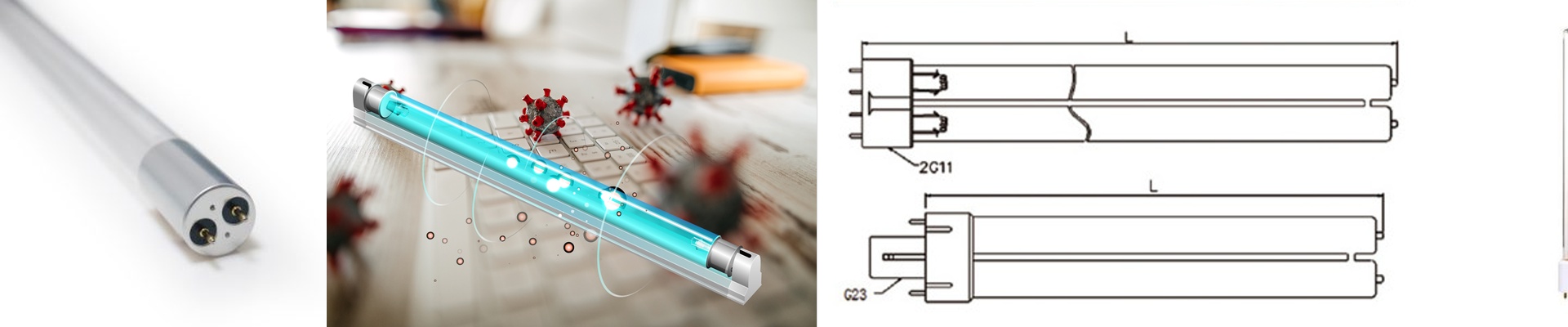
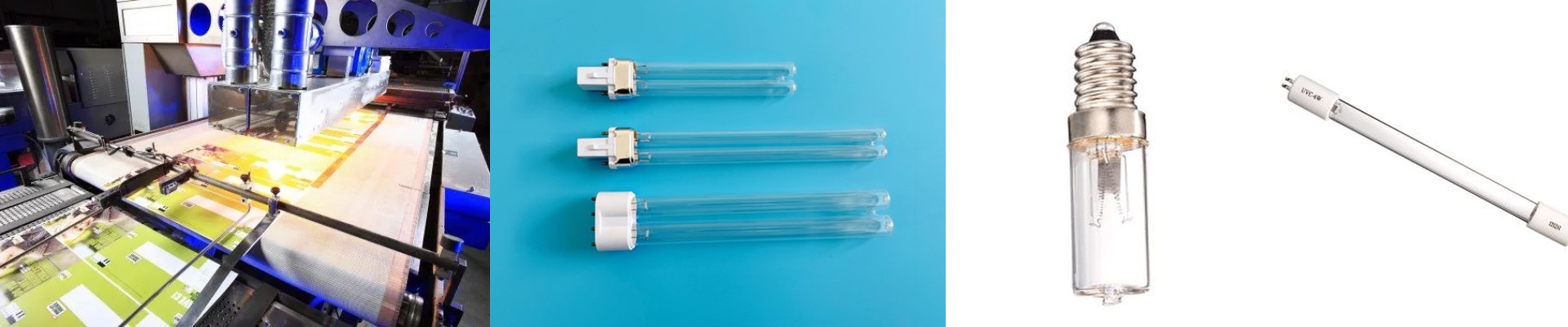
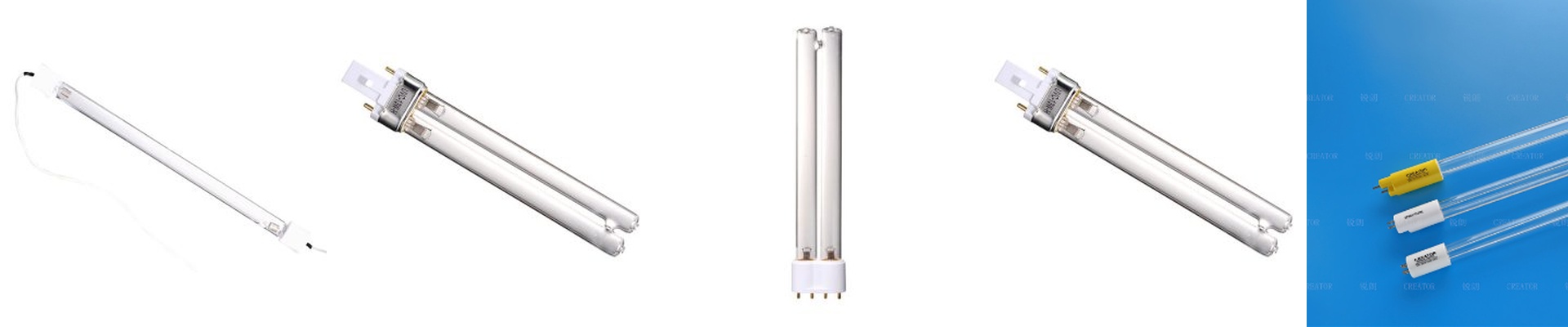
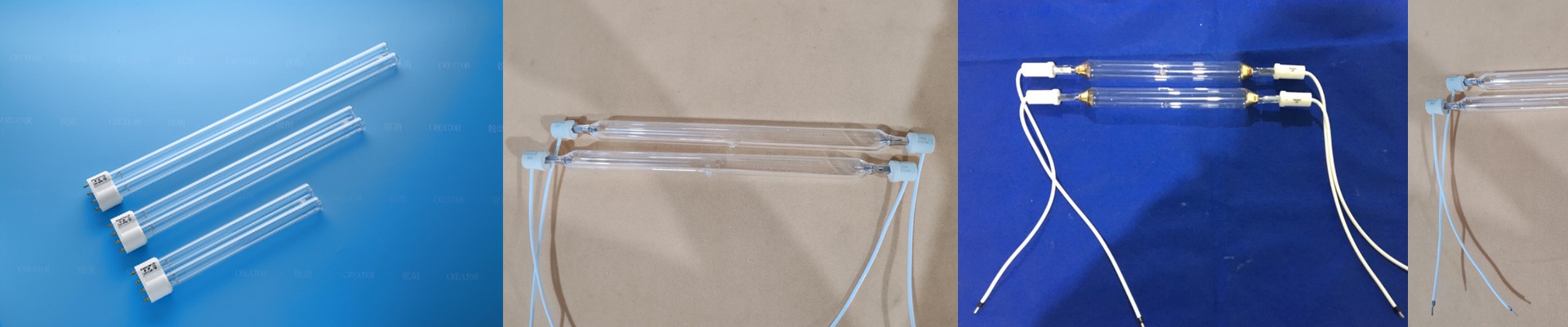
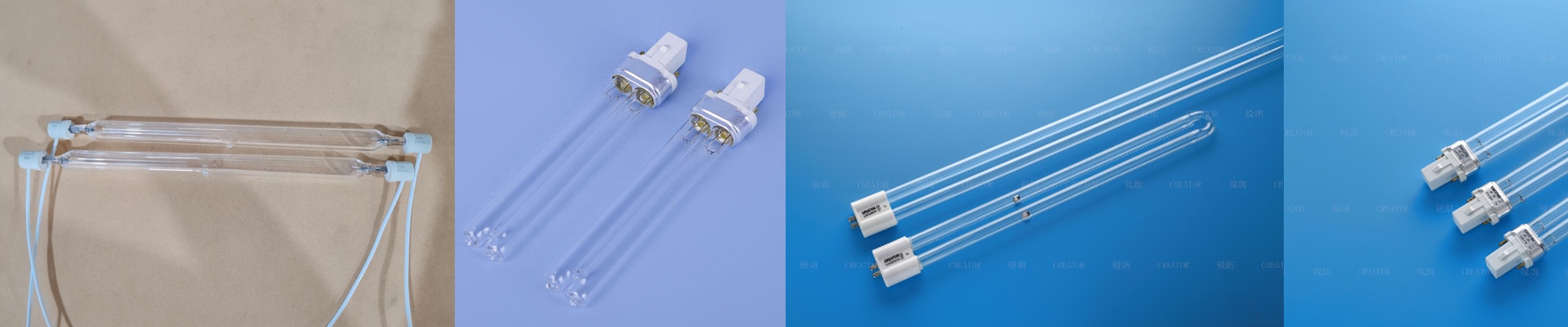
At its heart, the lamp is just a high-purity fused quartz tube filled with a very specific ratio of gallium iodide. We use a high-pressure discharge to kick those gallium atoms into an excited state. That’s what gives you those sharp UV-C and UV-B lines you need for things like medical sterilization or curing semiconductors. But here is the tricky part:voltage stability. If your power supply ripples even a little, the arc starts to wander. Suddenly, you’ve got uneven UV distribution across your substrate, and your quality tanks. To stop the lamps from burning out at the end caps, we build our electrodes to soak up massive thermal loads.
Why the materials actually matter
You’ll see plenty of “commercial grade” quartz out there. We don’t touch it. Instead, we use synthetic fused silica. Standard glass has a habit of “solarizing”—which is just a fancy way of saying it turns brown or cloudy after a few hundred hours. Once that happens, your light can’t get through. Synthetic silica stays clear. Then there’s the seal. Most cheap lamps fail right where the electrode meets the glass. It’s a fragile spot. We use a specialized vacuum sealing process because even a tiny, microscopic leak of oxygen will kill the lamp’s lifespan almost instantly.
The trade-offs you need to know
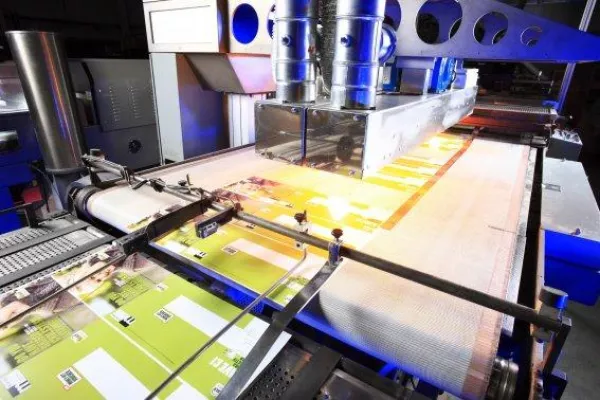
Here is the thing: these lamps gethot. Like, really hot. While you’re paying for the UV output, you’re getting a massive amount of infrared heat as a byproduct. You can’t just tuck these into a closed box and hope for the best. You need active liquid cooling or a high-CFM fan blowing air across them. If your cooling isn’t up to the task, the quartz envelope overheats. When that happens, your spectral peak shifts, your cure rate drops, and you’re left wondering why the parts aren’t setting. One last tip: get a dedicated ballast. Keeping the current steady is the only way to make sure you aren’t cutting your tube’s life by 30%.