Getting the Most Out of Gallium Iodide Lamps
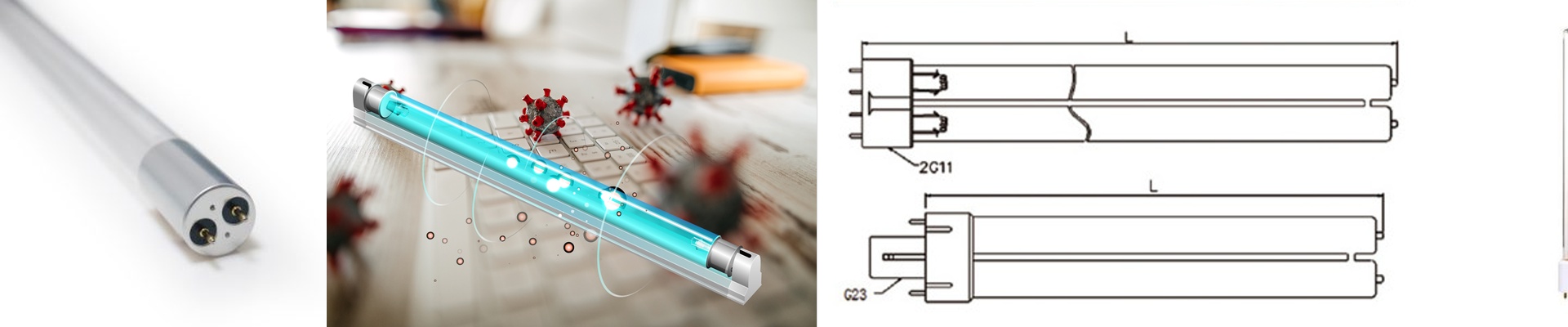
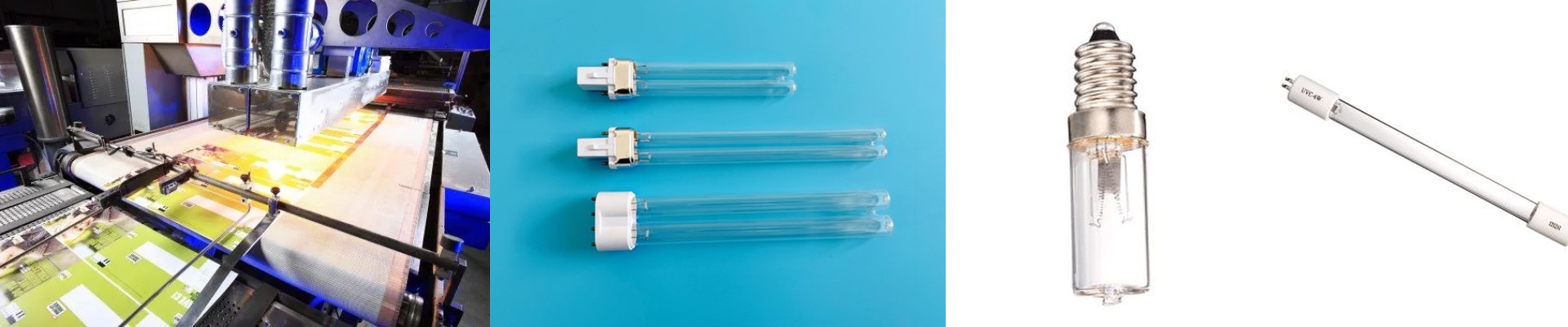
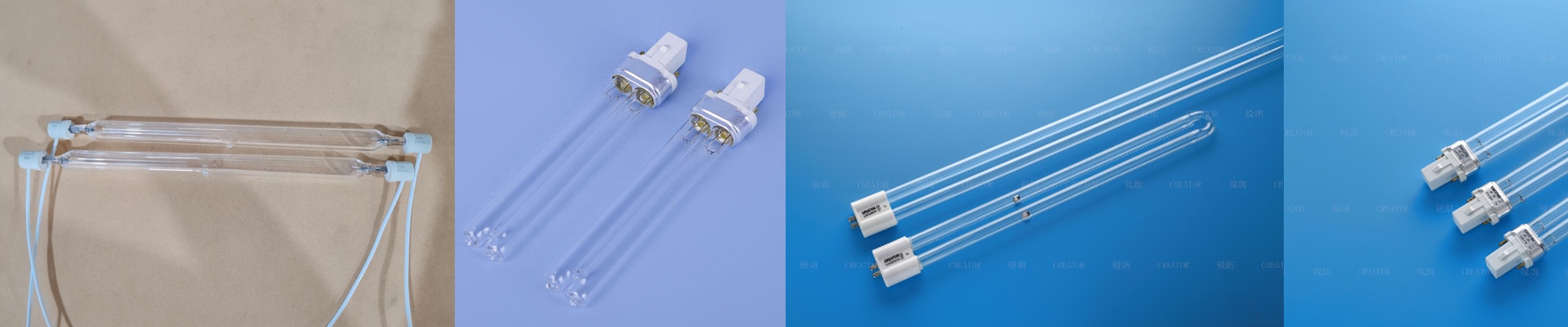
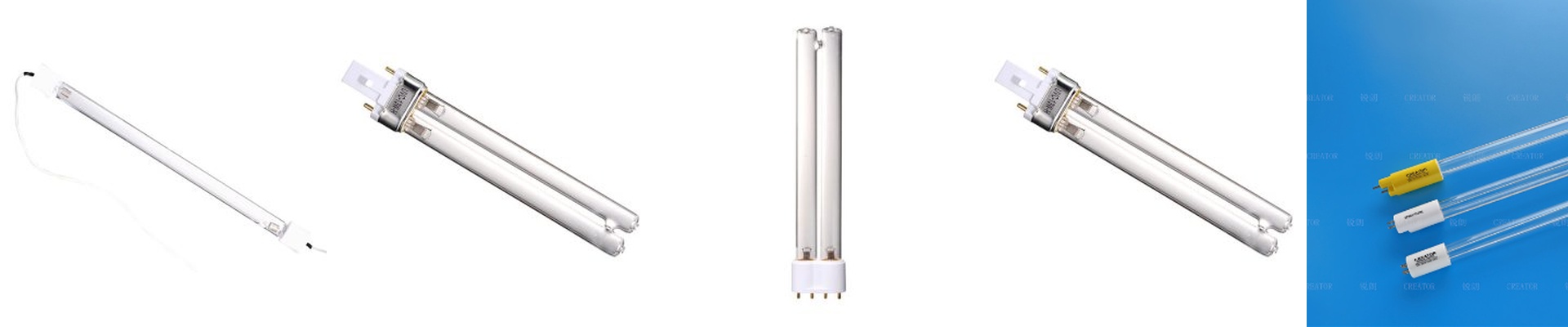
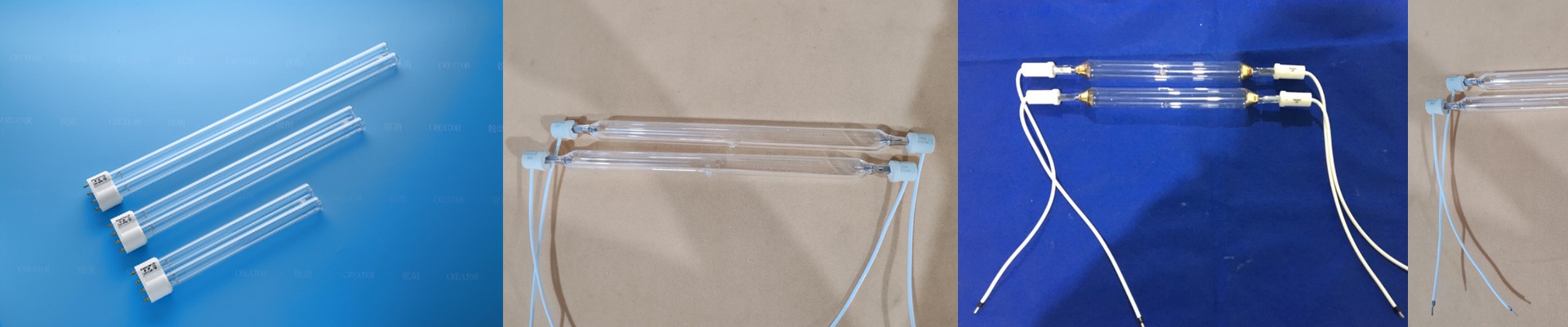
Let’s talk about Gallium Iodide (GaI) lamps. If you’re working with specific photoinitiators that just won’t budge under a standard mercury vapor lamp, these are your best bet. We build them specifically to push the light into those longer UV-A and UV-B wavelengths. Why bother with the shift? Here’s the thing: standard mercury lamps usually peak at 254nm. That’s fine for some jobs, but if you’re dealing with thick coatings or inks with heavy pigments, that light just hits a wall. If you’ve ever tried to cure a thick layer of adhesive with a standard lamp, you know the frustration. It “skins” the top—leaving the surface hard while the bottom stays a gooey mess. A GaI lamp fixes that. It digs deeper, making sure the cure actually reaches the substrate. The nitty-gritty on the build We keep the tolerances on these tubes incredibly tight. Why? Because arc instability is a nightmare. Most of these units run at high power densities, so you’ve got to keep an eye on your ballast settings. It’s tempting to over-drive the lamp to get more intensity, but don’t do it. You’ll fry the electrodes and burn the tube out way faster than it should. To stop the glass from clouding over (what we call solarizing) under all that UV stress, we use high-purity quartz. What to expect when you switch You can usually drop these right into your existing UV systems. Easy, right? Well, almost. Because the light spectrum is different, your line speed will probably need a tweak. You can’t just swap a mercury lamp for a gallium iodide one and keep the conveyor humming at the exact same pace. You’ll want to spend a little time re-validating your cure time to get it just right. We’re confident in these lamps. If the performance doesn’t stack up against the big global brands at the same price, we’ll give you your money back. We don’t do fluff—we just look at the raw irradiance data. The numbers tell the whole story.