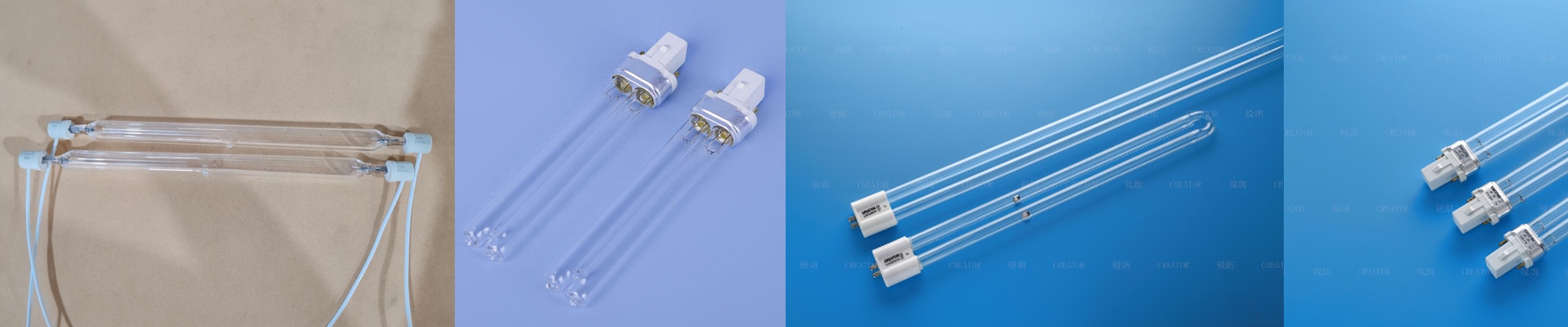
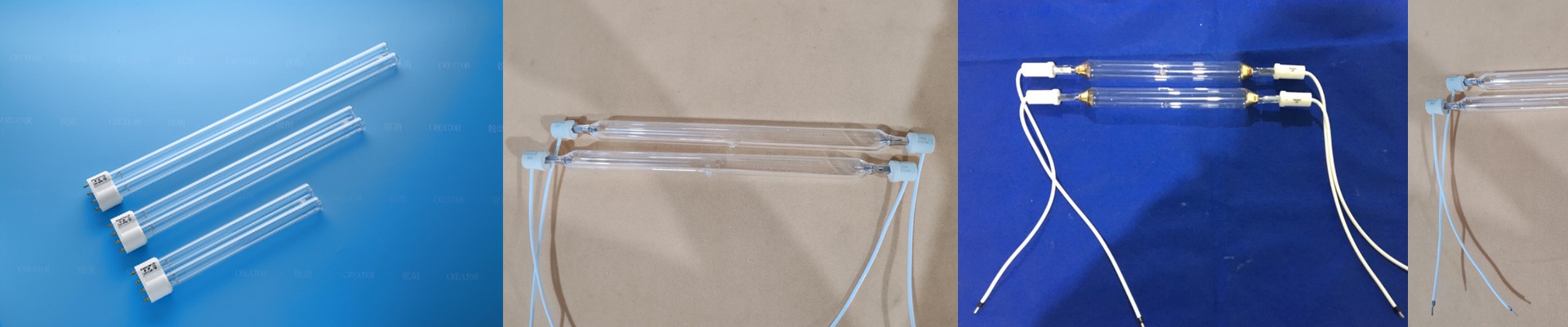
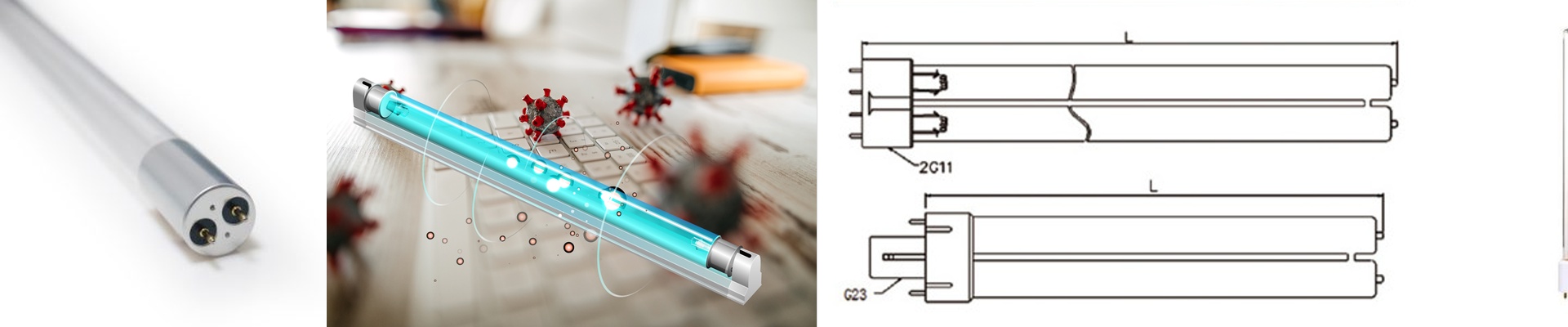
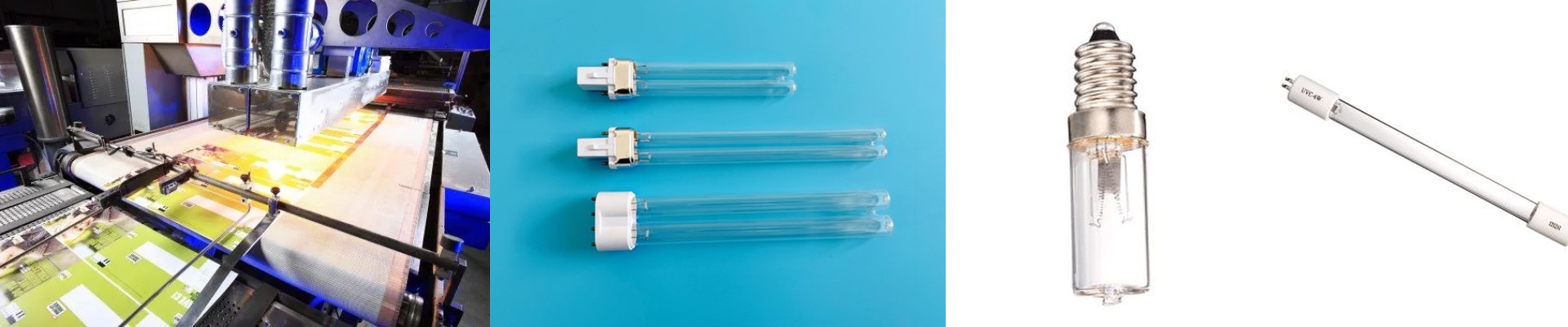
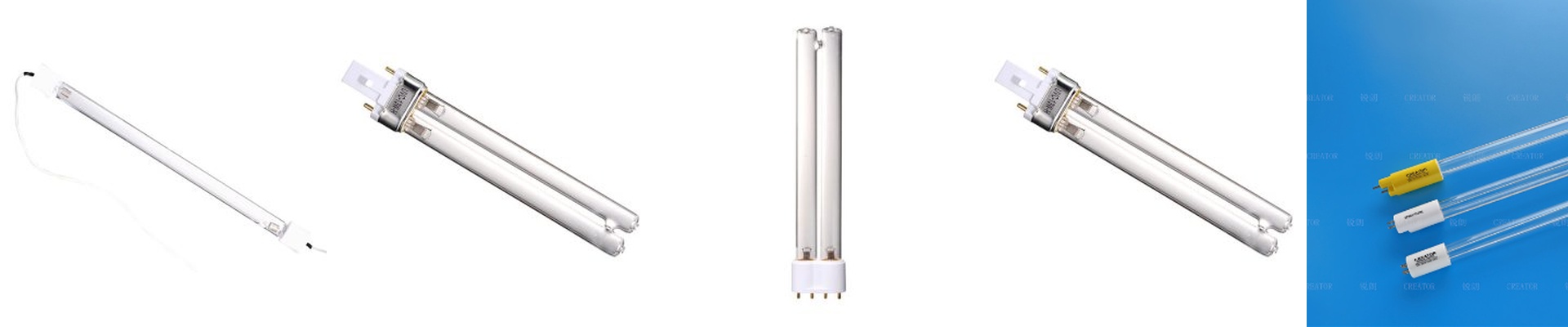
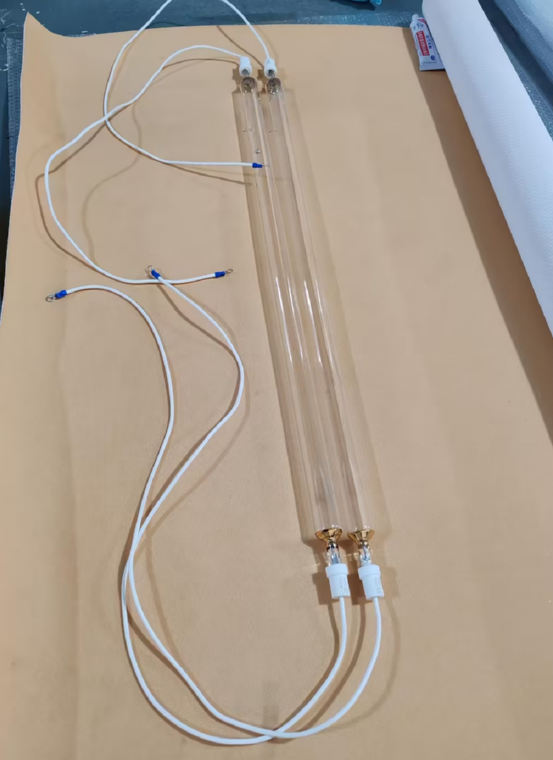
On the press floor, time is money. When curing lags, the whole line stops. When energy density drifts, you end up with uncured ink—scrap, rework, and solvent emissions that no modern plant wants to live with. We built these industrial UV lamps to keep the line moving and cut waste at the source. They’re fast-curing, ozone-free, and built to run long. The result is cleaner production without trade-offs. What matters under the hood We lean on high-pressure mercury vapor lamps with tight spectral control. You get stable output at 365nm, 385nm, and 405nm, so the photoinitiator absorption lines up across offset, flexo, and screen inks. Peak irradiance stays steady across the curing window, so energy density at the substrate is repeatable. The reflector uses a dichroic coating to push UV return up and keep IR heat down. That keeps heat-sensitive films within temperature limits. Output stability is the heart of it: low attenuation over time, with units routinely running 5,000+ hours while holding spectral consistency within tight tolerances. Why it holds up in real production Zero-pollution goals only work if the hardware lasts. The long-life lamp architecture cuts replacement frequency, which means fewer lamps to dispose of and less waste to manage. With consistent intensity, cross-linking is uniform. Rejects drop, and you can run faster without waiting on solvent flash-off. Energy use stays sensible, too: the reflector system focuses usable UV where it counts, so you can hit full press speed with curing results you can count on. A few shop-floor details These lamps play nice with standard UV offset, flexo, and screen systems, but they need matched ignition and power supply settings. Double-check reflector geometry and lamp-to-substrate distance to hit your target energy density. Even with stable lamp output, misalignment will knock down peak irradiance. Plan cooling and ozone-free ventilation around the machine layout. Do that, and you keep spectral output stable—and keep the operator environment safe.