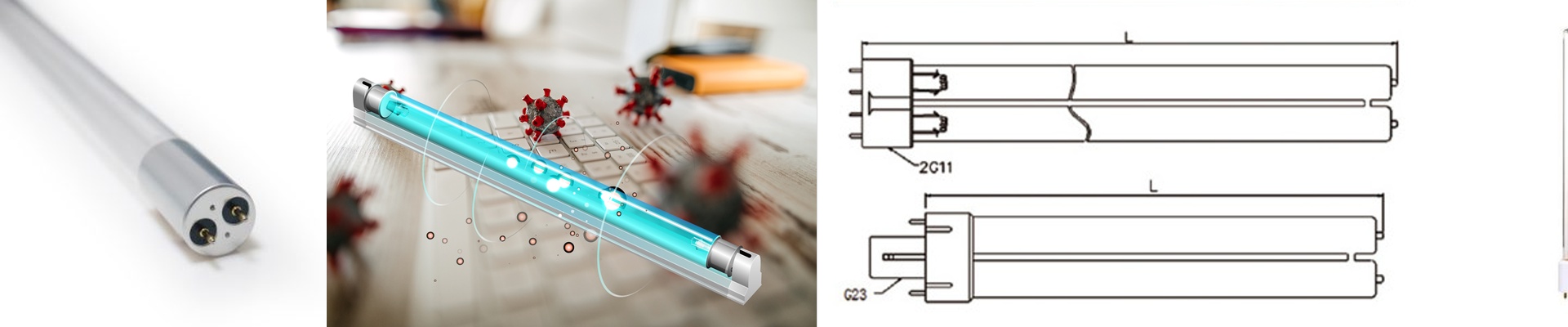
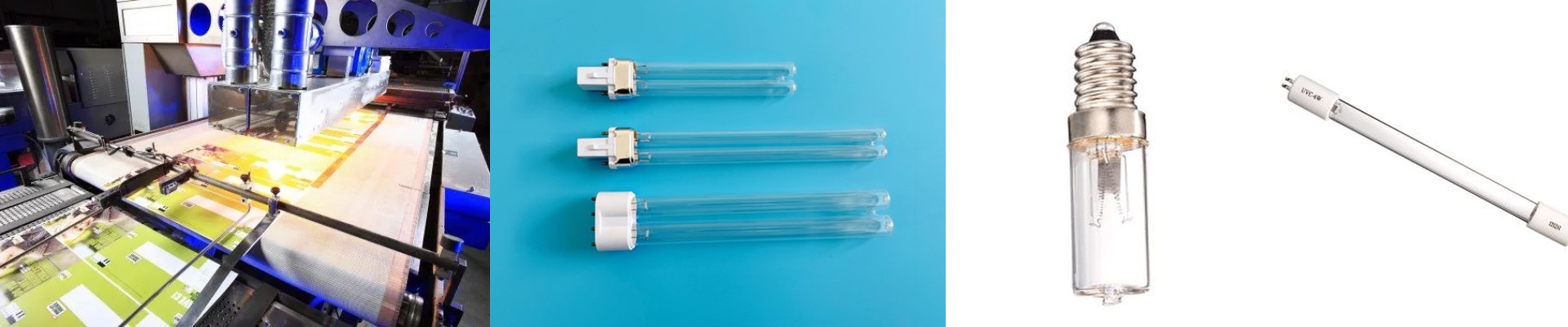
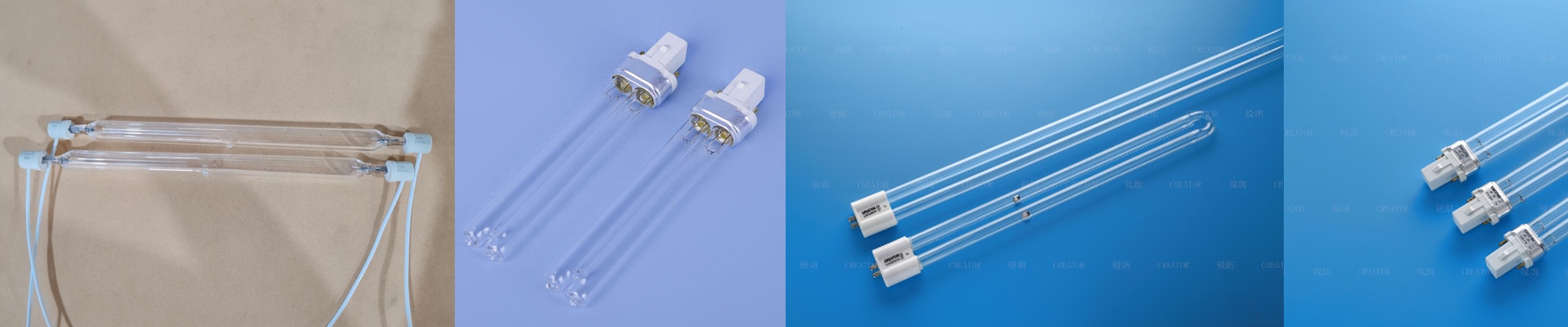
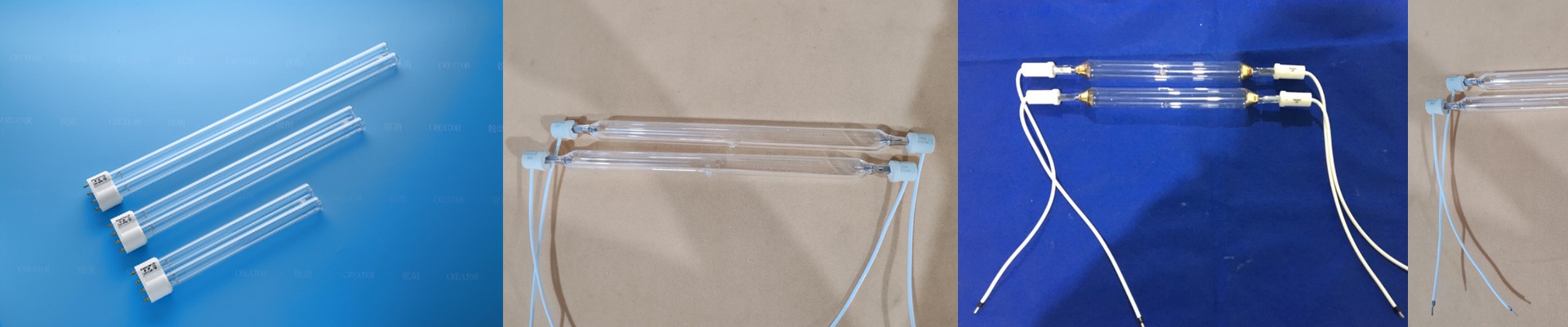
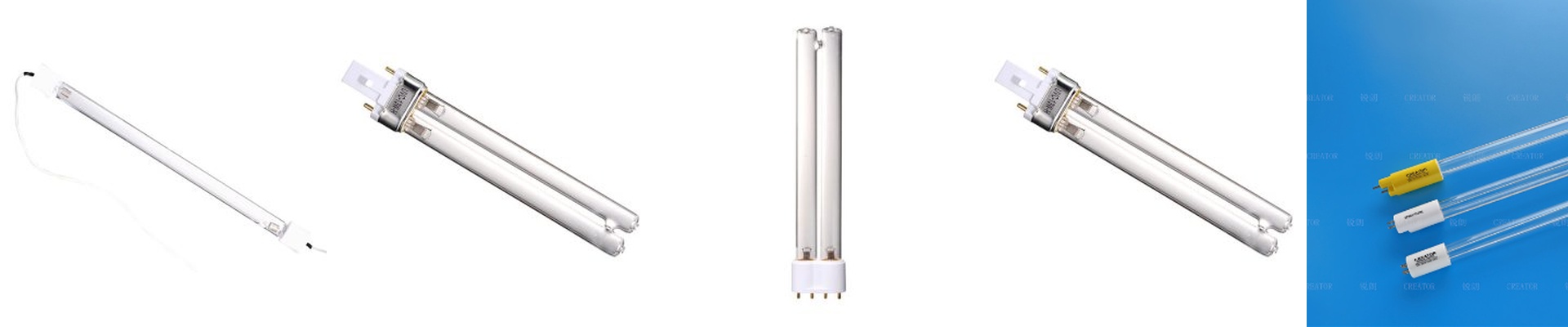
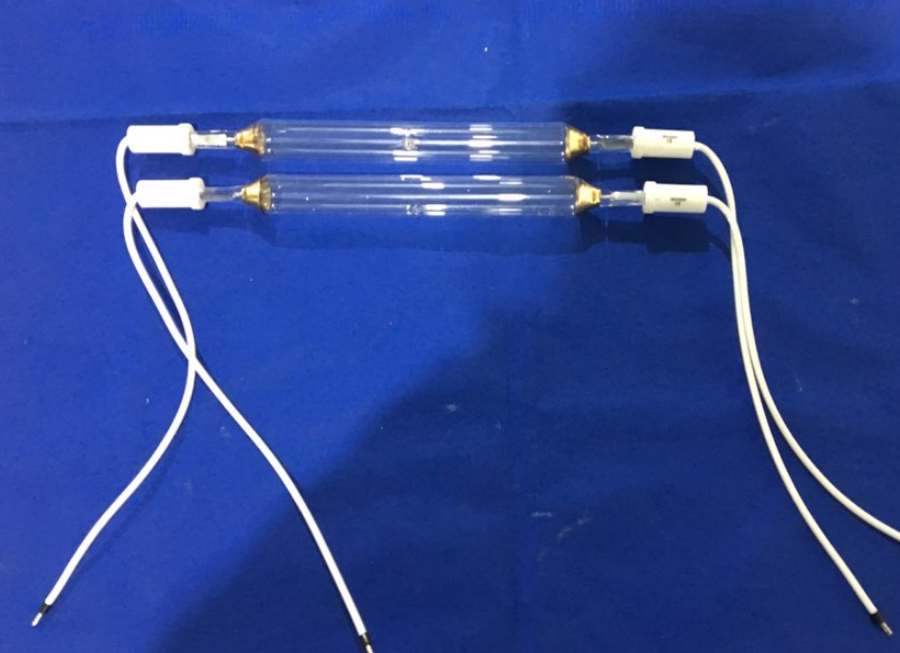
On the line, a furniture coating line can’t afford microbial contamination. When the finish has to meet medical-grade disinfection, the UVC lamp isn’t an add-on—it’s the control point. A CE-certified UVC unit only delivers reliable inactivation when its spectral output stays stable, the dose is repeatable, and the irradiance profile is predictable across the full substrate width. What matters, technically, is the lamp’s spectral distribution and the delivered energy density. Our UVC lamps use high-purity quartz envelopes and tightly controlled mercury vapor pressure, giving you a narrow, stable emission line tuned for germicidal action. The reflector geometry and dichroic coatings are set to keep spectral purity and push peak irradiance at the target plane, so you’re not wasting photon energy. In practice, that translates to consistent photon flux, run-to-run dose repeatability, and less variance when you’re validating the process. Here’s why it works in this setting: medical-grade disinfection demands repeatable lethality, not guesswork. With a stable UVC spectrum, you get repeatable microbial reduction, repeatable dwell time, and repeatable validation data for audits. The lamp’s steady output also keeps surface treatment consistent on coatings—photoinitiators respond predictably, and you get uniform cross-linking without hot spots or shadowed zones. A few practical notes: UVC systems are sensitive to operating temperature, lamp orientation, and how clean the fixture is. Check reflector alignment and keep quartz surfaces free of films—even thin deposits scatter output and shift the effective dose. Plan lamp end-of-life by hours and output drift, not by the calendar, and make sure your power supply matches the lamp’s ignition and operating characteristics.