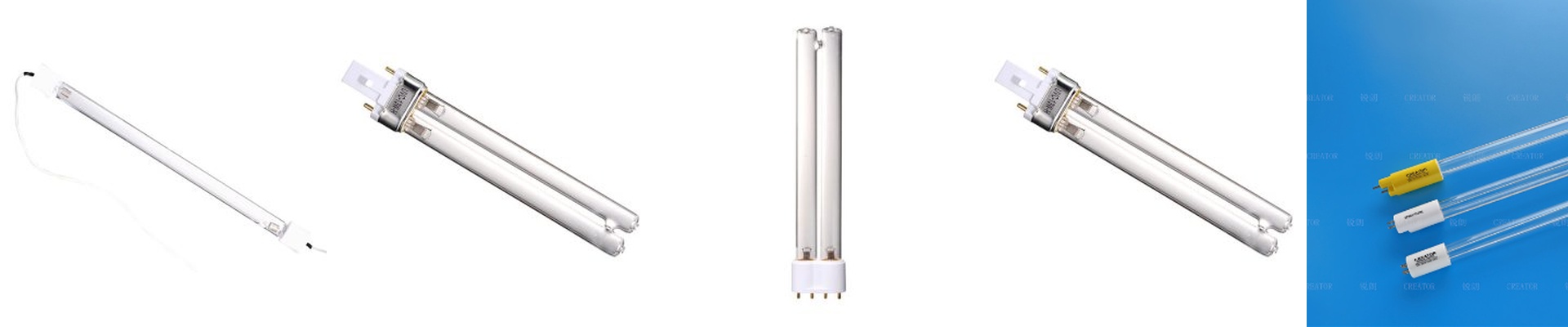
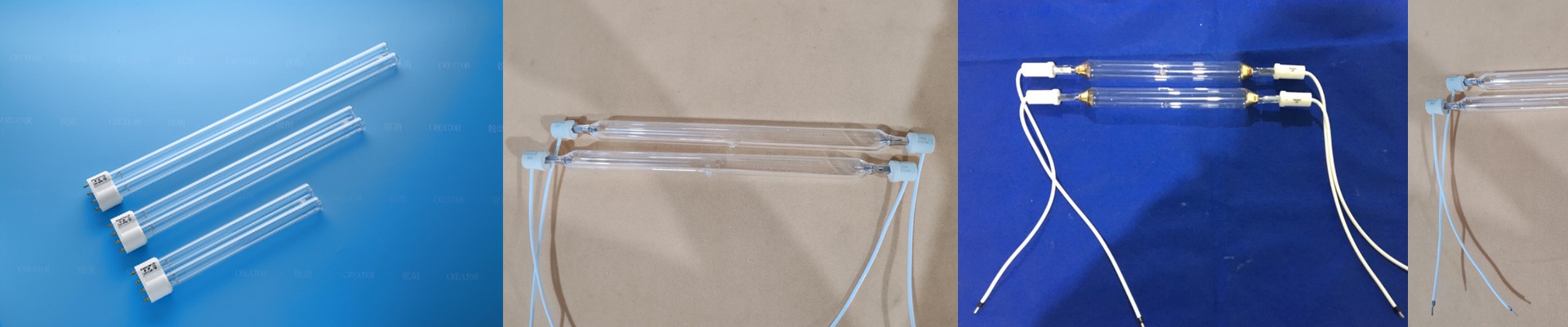
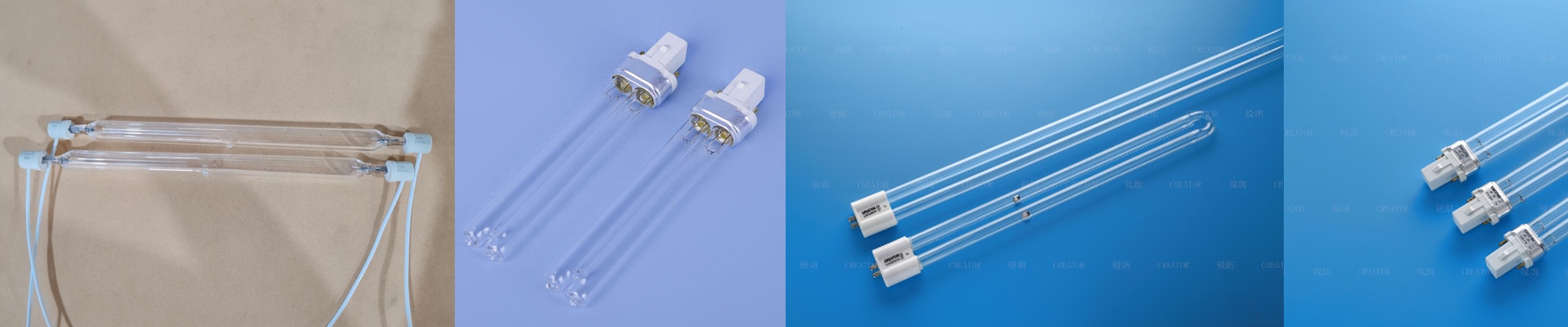
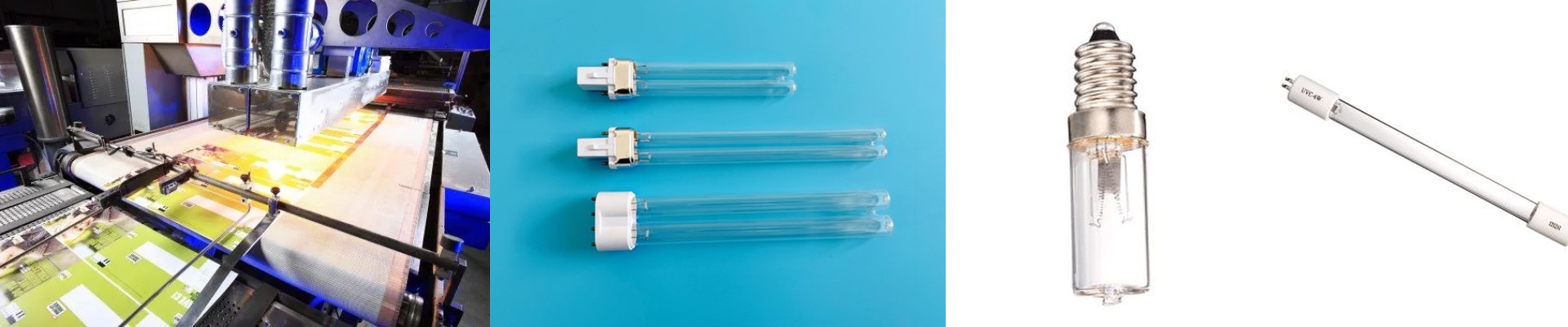
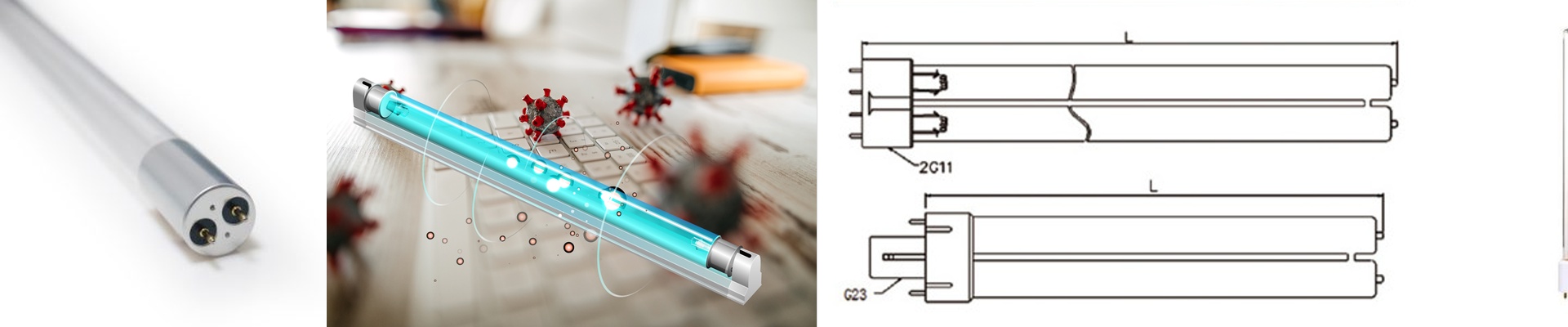
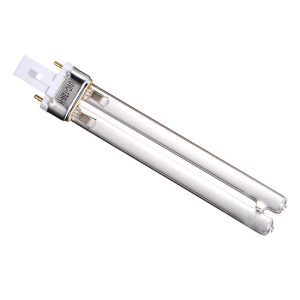
On the floor, you don’t have time to debate whether a cure is “good enough.” You need a curing system that delivers the same energy density, every run, across the full width of the substrate. When the press is humming at full speed, a mismatch between lamp spectrum, ink photoinitiator absorption, and irradiance profile shows up fast—tack, adhesion problems, or uncured depth. That’s why wavelength control and intensity monitoring aren’t checkboxes. They’re the operating system of reliable UV curing.
What matters, technically
UV curing is a photochemical reaction. The ink’s photoinitiators absorb specific wavelengths, then kick off cross-linking. If the lamp spectrum doesn’t line up with the ink chemistry, you can run wide open and still miss the cure. Two wavelengths keep proving their worth across the broadest set of industrial formulations:
- 365nm: The workhorse for mercury-based UV systems. It drives fast surface cure and solid cross-linking for a wide range of offset, flexo, and screen inks and coatings. In practice, 365nm delivers high photon flux where many photoinitiators absorb strongly, so you get rapid polymerization even when oxygen inhibition is fighting you.
- 420nm: The long-wave edge that gets you deeper penetration and cure through pigmented or thick films. It reaches down where shorter wavelengths get blocked or scattered, helping you achieve through-cure without scorching the surface. But wavelength is only half the story. The other half isradiant flux density—the delivered energy per unit area, usually expressed asmJ/cm². That number is what actually decides whether the cross-linking reaction finishes. A lamp can look bright and still under-cure if any of these are off:
- Peak irradianceis too low to clear the photoinitiator activation barrier at line speed.
- Spectral outputdrifts from lamp aging, arc instability, or reflector coatings that have lost their edge.
- Dichroic reflectorsare mismatched, dumping output outside the target band.
- Ozone generationruns uncontrolled, changing the atmosphere at the cure window and suppressing surface cure. We build our UV systems around measurable output: stable spectral peaks at 365nm and/or 420nm, controlled bandwidth, and consistent irradiance across the cure zone. The payoff is repeatable energy density—not a vibe check.
Why this works in the real world
In industrial UV curing, the only guarantee worth relying on is measured intensity. Whether you’re running a narrow-web label press, a wide-format screen line, or a coating line with heavy builds, the failure mode is the same: not enough delivered energy at the right wavelength. When 365nm and 420nm are matched to the ink system, you get three practical wins: 1) Instant cure at line speed UV curing isn’t thermal drying. Photons trigger the reaction, not heat. When peak irradiance is high enough, the ink goes from wet to fully cross-linked in a blink. That means immediate downstream handling, stacking, and converting—without blocking or set-off. 2) Deep penetration without surface inhibition Pigments, fillers, and thick films scatter shorter wavelengths. 420nm gets photons deeper, supporting through-cure in dense whites, opaque layers, and heavy coatings. Meanwhile, 365nm locks in surface cure and adhesion, so you end up with a fully cured film—top to bottom—no residual tack. 3) Complete cure, not partial cure Partial cure is the quiet quality killer. It can slip past inspection and then fail adhesion testing, scuff resistance, or chemical resistance hours later. Keep spectral output under control and measure delivered energy density, and you’re running to a number, not a guess. That’s how you keep Cpk above 1.33 on critical finishes. And when the process is anchored in measurement, you can defend it. Change ink, substrate, or line speed, and you adjust lamp power, reflector condition, and dwell—then confirm the change with the radiometer. No arguments. Just data.
What you need to keep straight on the floor
A high-performance UV curing system is only as good as what it faces day to day. Keep these realities in mind: Lamp aging changes output—plan for it. Mercury vapor lamps and electrode-based systems degrade over time. Output drops, spectral balance shifts, and warm-up behavior changes. That drift is predictable, but it’s real. Schedule periodic intensity checks with a calibrated radiometer and track mJ/cm² per lamp hour. Replace on measured output, not the calendar. Reflector condition is not cosmetic. Dichroic reflectors shape the spectrum and focus energy into the cure band. If the coating is contaminated, scratched, or oxidized, you lose peak irradiance and spectral control. Clean reflectors on the planned maintenance cycle and watch for hot spots and uneven patterns that signal degradation. Ozone has to be managed, not tolerated. Short-wave UV creates ozone, which changes the atmosphere at the cure surface and can inhibit surface cure. Use ozone-free or ozone-controlled designs with proper airflow and exhaust routing. If you need a very clean surface cure window, ozone control is part of the cure equation. Compatibility is mechanical and electrical. Match lamp length, arc gap, end-of-life circuitry, and connector type to your curing module. A mismatch can cost you irradiance uniformity, lamp life, or even ballast reliability. If you’re retrofitting an existing line, confirm reflector geometry, cooling flow, and shutter tolerances before you commit to a lamp. You run a plant on repeatable output and measurable uptime. 365nm and 420nm give you the spectral control to match the ink, and the irradiance stability to keep every pass the same as the last. Measure the energy density, control the spectrum, and the curing process stops being a variable—and starts being the most stable step on the line.