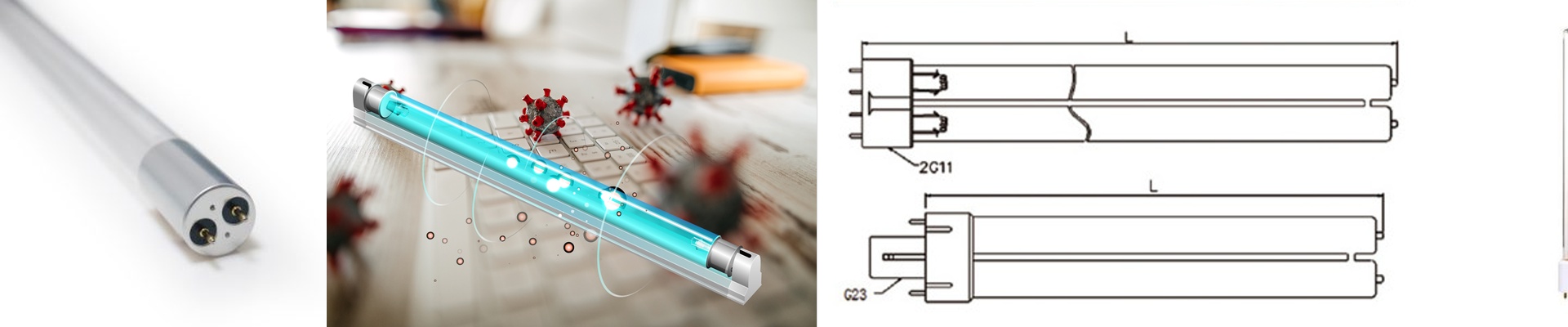
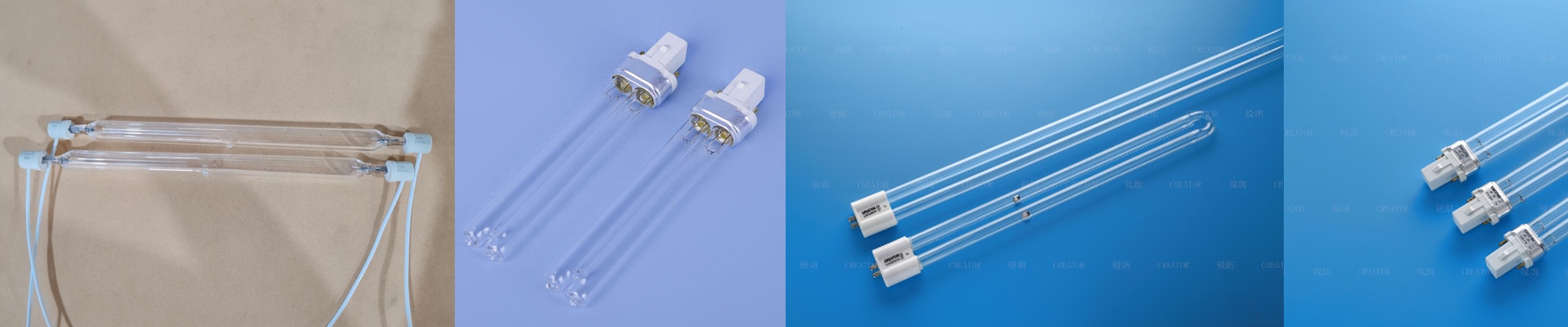
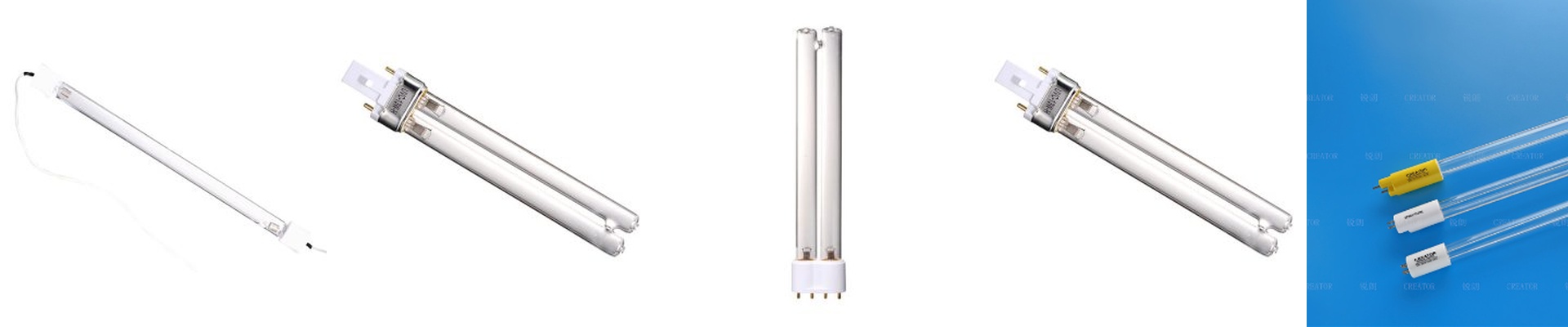
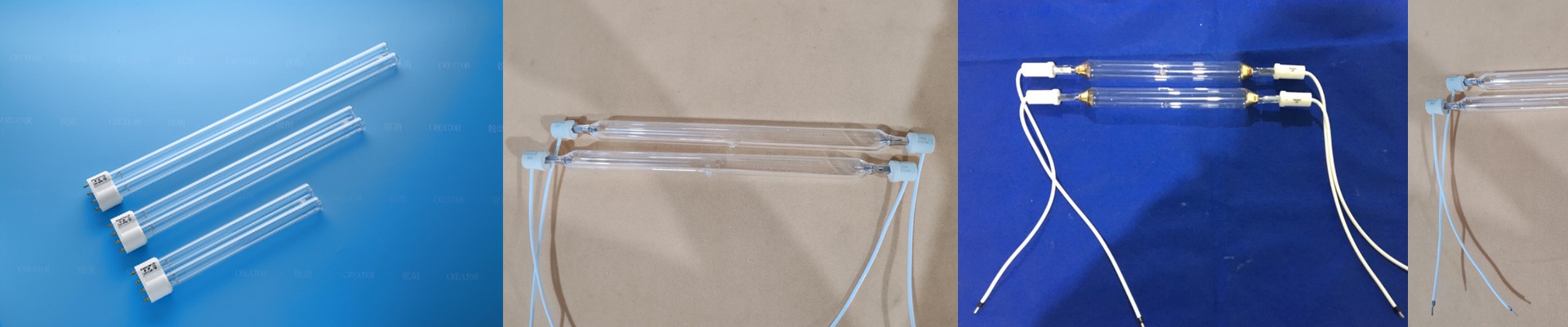
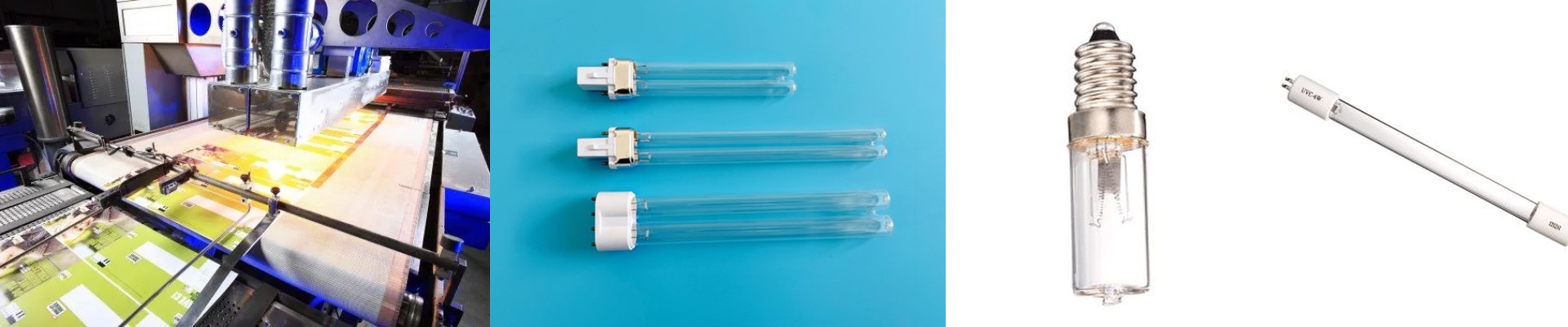
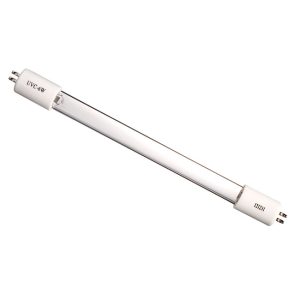
On a high-speed apparel line, you don’t get time back. When the press is running 100+ meters per minute, wet ink isn’t just a quality problem—it’s a capacity killer. Second-level curing isn’t optional. It’s the only way to keep the line moving without smudging, offsetting, or throttling down so the ink can dry. That’s why the right high-pressure mercury UV lamp is the anchor of a reliable run. What actually matters on the floor comes down to spectrum and dose. Our high-pressure mercury vapor lamps put out strong, stable peaks at 365nm and 395nm—exactly what the photoinitiators in UV-curable textile inks are tuned for. Peak irradiance hits 12–15 W/cm², and we target 500–800 mJ/cm² delivered across the web. A dichroic-coated quartz reflector focuses the output onto the substrate while cutting IR heat. Even at 1.2 m/min, substrate temperature rise stays under 10°C. Lamp life is rated at 2,000 hours, and output holds within ±5% over the first 1,500 hours. Here is why it works in practice: speed, plus control. The lamp cures the ink in a single pass, so you can fold, stack, and finish immediately. That means fewer rejects, less rework, and color density that stays consistent across the job. Energy use drops because curing is instant—no long drying ovens, no waiting around. And it drops straight into existing UV offset/flexo/screen modules. You turn idle time into output without redesigning the line. Before you spec, get the lamp power matched to your web width and ink thickness. A 200 W/cm lamp can be overkill for thin films and push substrate temperature up; a 120 W/cm unit can come up short on thick deposits. Check lamp-to-substrate distance, reflector geometry, and shutter cycle frequency with your printer OEM. And don’t treat exhaust as an afterthought—specify ozone-free quartz envelopes and make sure the airflow handles ozone and heat. That’s a line constraint, plain and simple.