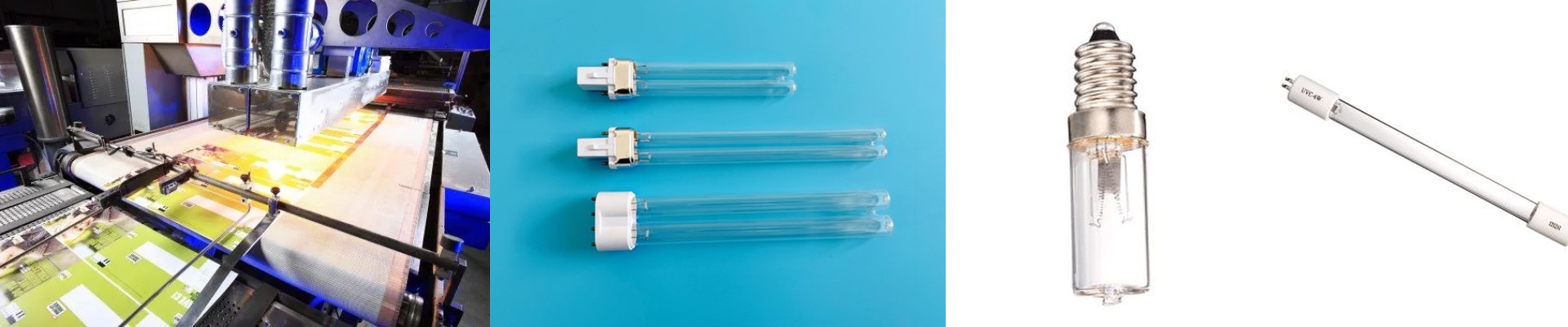
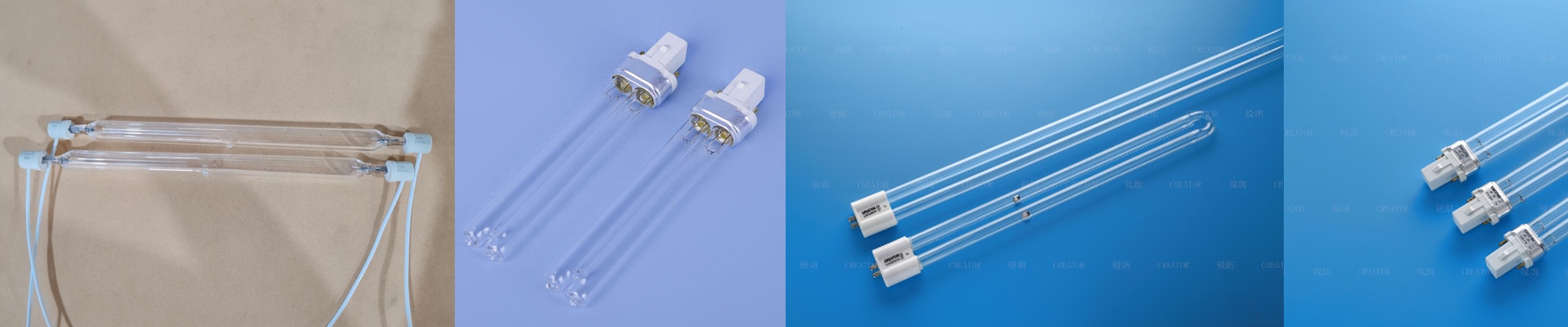
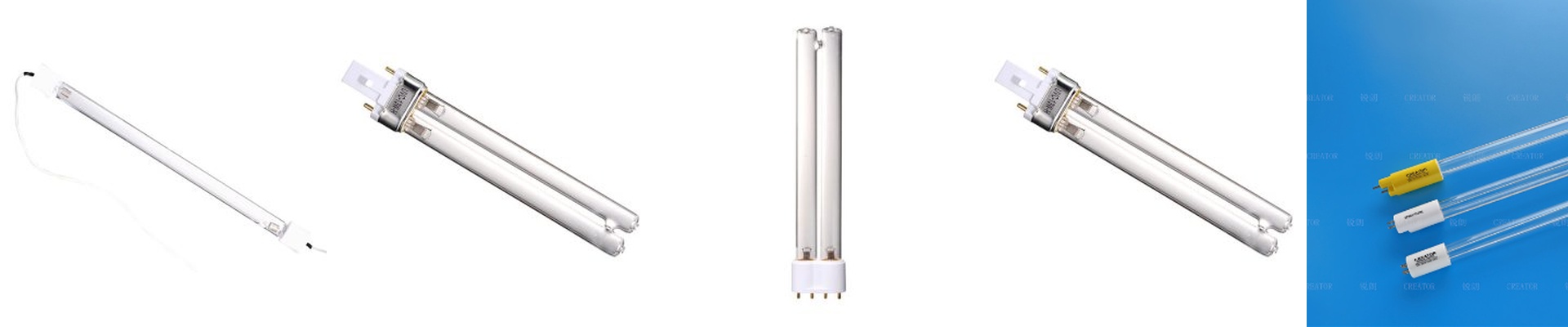
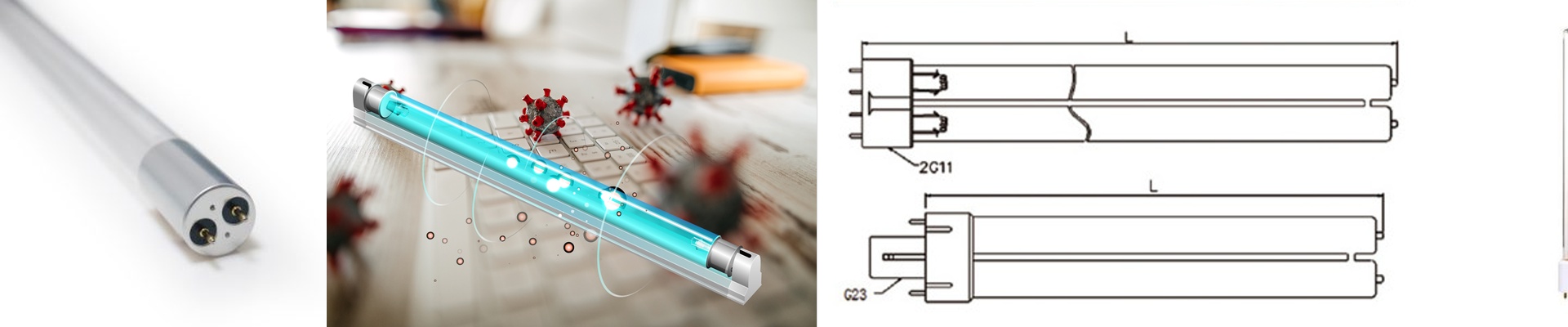
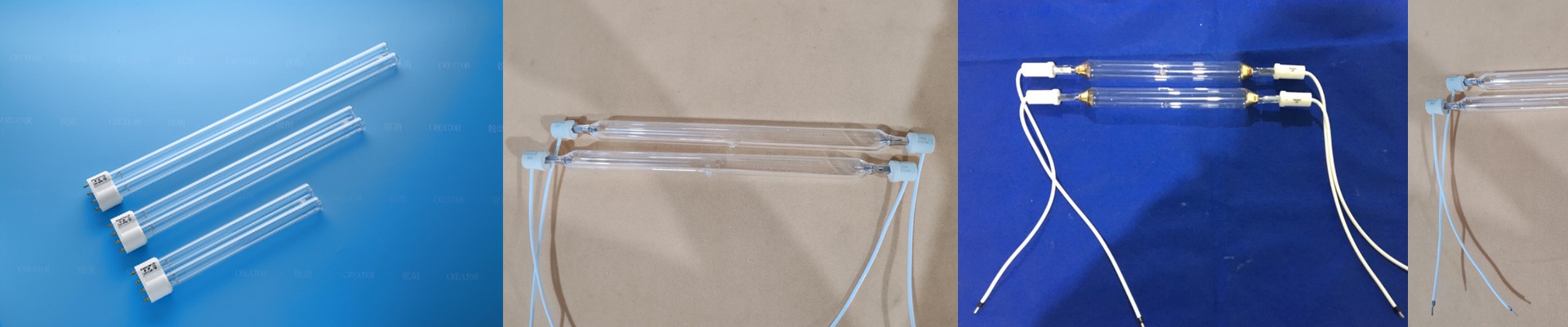
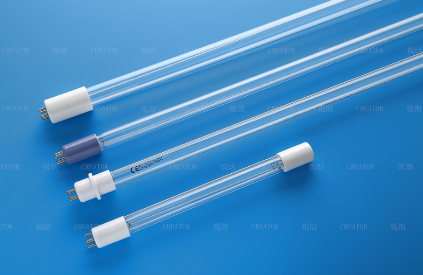
In a high-throughput air purifier, if you’re not reliably killing airborne pathogens, that’s not just a performance miss—it’s a contamination incident. Thermal and chemical approaches always bring variability, and often leave you with secondary emissions. Go direct with deep-UVC, and the whole system performance comes down to one part: the exposure lamp. What actually matters under the hood Our UVC gallium exposure lamps are built around a stabilized gallium-doped amalgam, tuned to deliver a controlled 254nm spectral output. That wavelength hits the RNA and DNA absorption peaks in microorganisms, so you get photolytic disruption that’s repeatable. The gallium amalgam keeps the junction temperature steady under high-pressure mercury vapor operation, which means far less output drift. You can count on consistent irradiance of ≥150 mW/cm² at a 10mm working distance, and the lamp life is rated to 9,000 hours with 80% maintained output. The quartz envelope is ozone-free, and the integrated dichroic reflector focuses the energy where you need it, so you’re not wasting flux. Why this is the right fit for air purification Air units need continuous, high-rate pathogen reduction—no chemicals, no residue. Gallium-doped UVC lamps knock out microbes fast in a single pass, so you can run higher airflow without adding residence time. The spectral output stays stable, the beam profile is tight, and that lets you keep the chamber compact—smaller footprint, lower pressure drop. You also get lower energy per cubic meter of treated air, and the controlled thermal profile keeps polymer components inside the housing from overheating. What you need to get right on install and operation Installation comes down to precise axial alignment and confirming cooling airflow across the lamp and reflector. If you run the lamp outside the specified current range, you accelerate amalgam depletion and shorten life. Hook it up to a UVC intensity sensor for closed-loop control, and swap lamps when intensity drops below the validated threshold—otherwise you won’t hold the required microbial kill rates. Make sure the driver matches the ignition voltage and operating current; mismatches will chew up the electrodes prematurely.