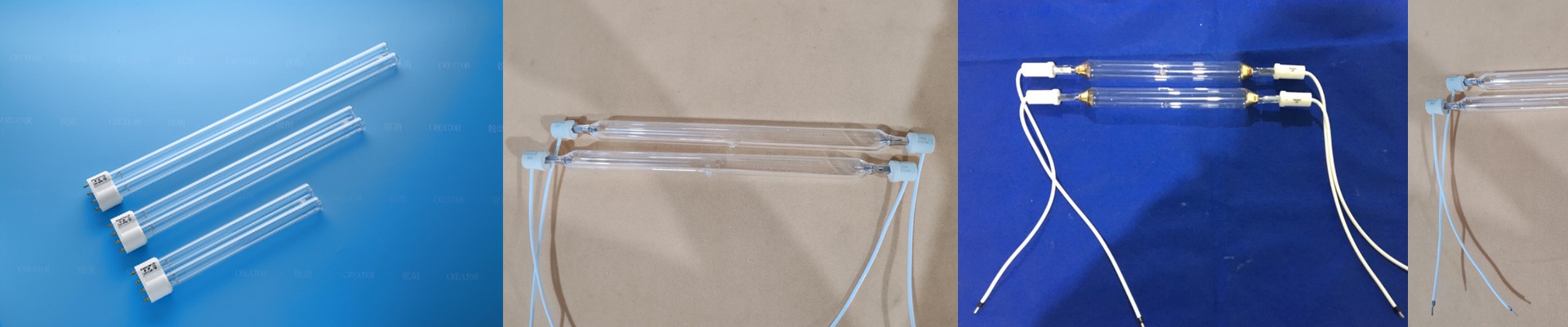
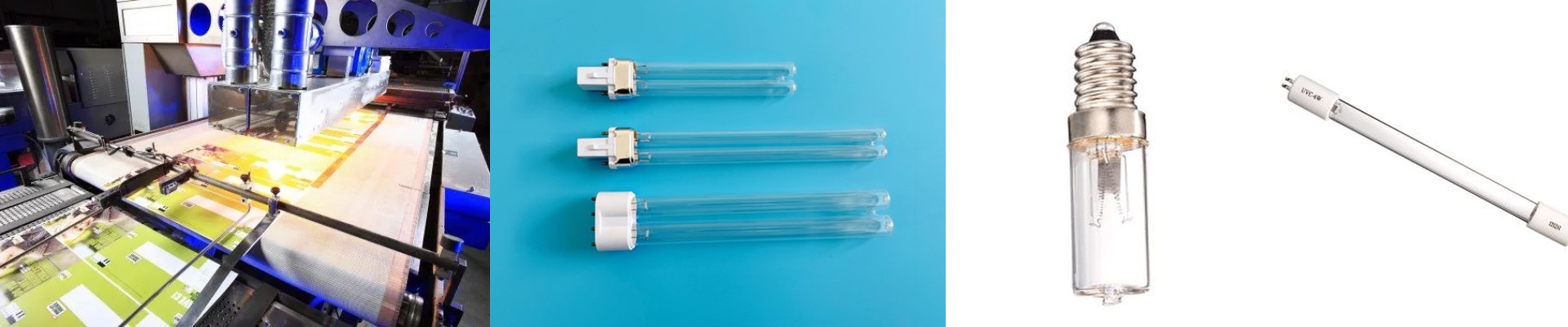
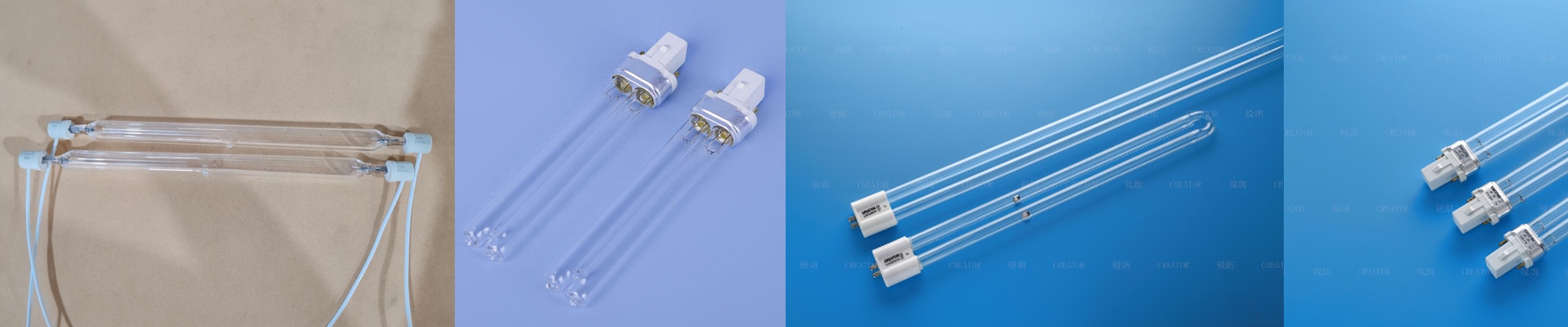
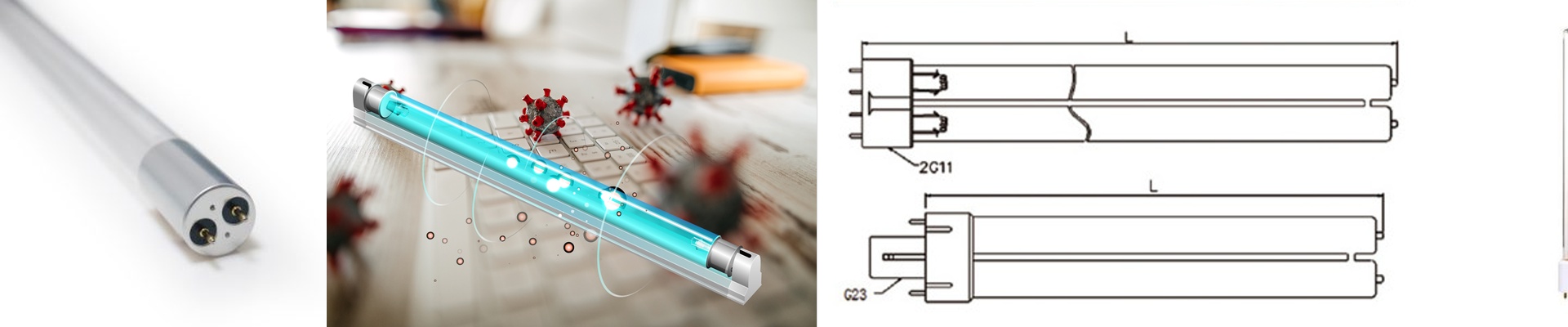
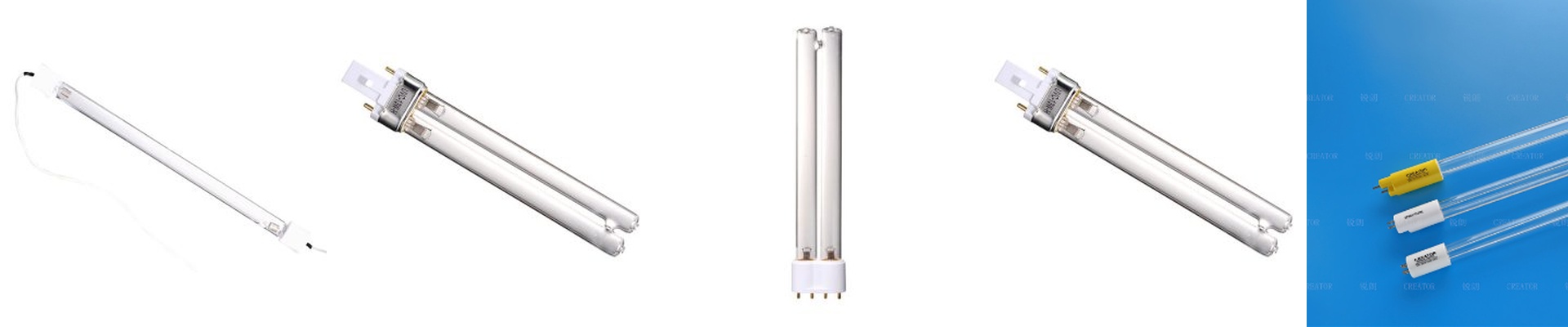
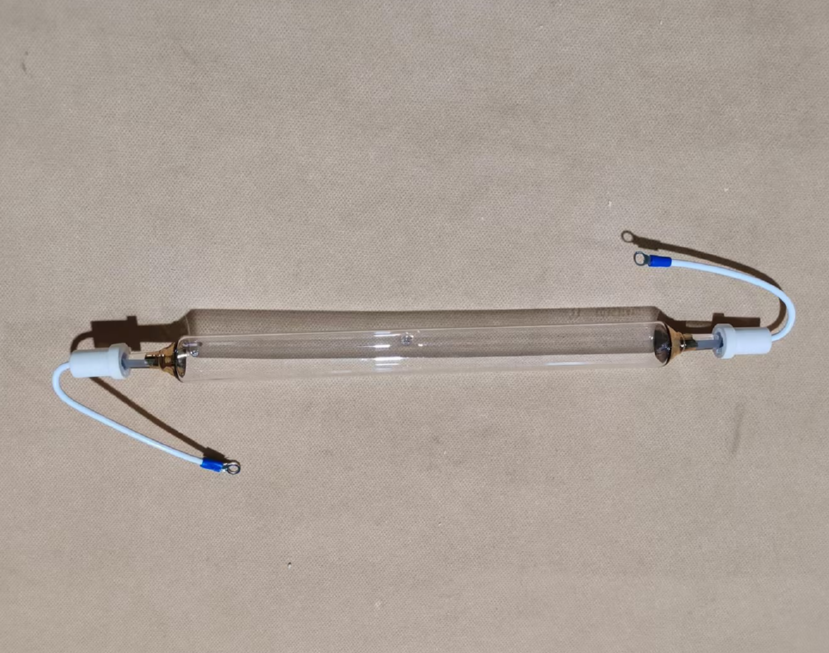
At the 2026 Printing Expo, the talk wasn’t about UV lamps for show. It was about curing performance you can prove on the shop floor. Our custom UV lamp modules pulled people in because they cut through a headache everyone knows: inconsistent cure on high-speed flexo presses, even when you’re running above 600 m/min.
What actually matters, technically
Flexo UV ink cure comes down to matching spectral output to the photoinitiator absorption. We built our modules around high-pressure mercury vapor lamps that hold stable output at 365 nm, with controlled 385 nm and 405 nm tails so you don’t get surface inhibition. Peak irradiance tops 12 W/cm², and you’re hitting 800–1200 mJ/cm² across the web—measured with a spectral radiometer right at the substrate plane. Power density is tuned to the dwell window, typically 120–200 W per cm of lamp length. That gives you cross-linking without the heat build-up that can warp films. Reflectors use dichroic coatings to shape the spectrum and squeeze more photon efficiency out of the system, and ozone-free quartz envelopes keep the curing zone clean. Lamp life is rated to 5,000+ hours, with output drop under 5%. The degradation curve stays flat enough that your setpoints don’t drift.
Why it holds up where it counts
A trade-show floor is easy compared to a 24/7 press room. These modules showed what they could do live on press runs: immediate full cure on PET, BOPP, and foil substrates, with adhesion and scratch resistance that survive converting. Curing is instant, so job changeovers move faster. Energy use drops because the system cures on demand instead of idling. Fewer lamp replacements mean less downtime and fewer maintenance windows you have to schedule around.
The details you need to get right
Matching the lamp to your flexo press means lining up lamp length, arc gap, and connector interface to the curing station footprint. Plan on a 5–8% power overhead to keep arc regulation stable at line speed. Spectral output shifts a bit with junction temperature, so keep airflow consistent and check irradiance periodically. We provide compatibility data for common curing chambers, but confirm mounting and cooling with your press OEM before you roll it out.