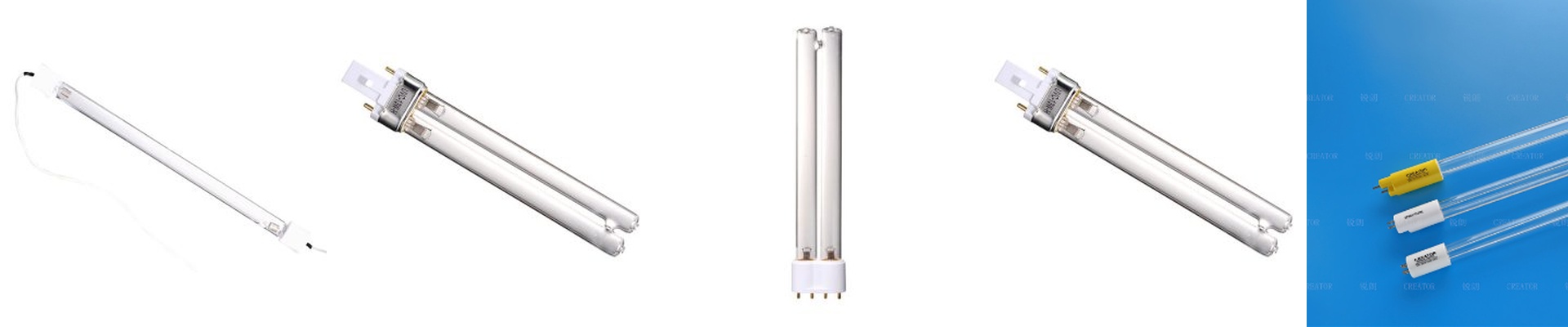
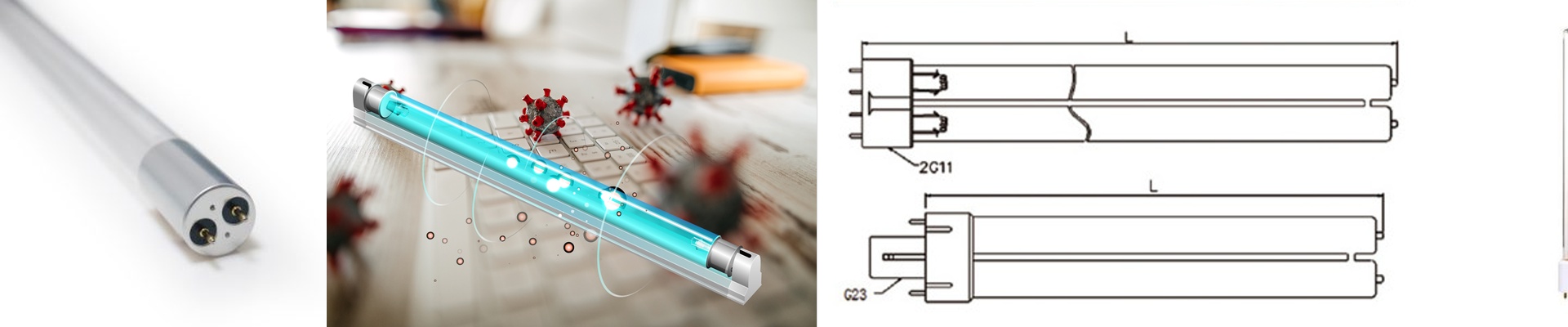
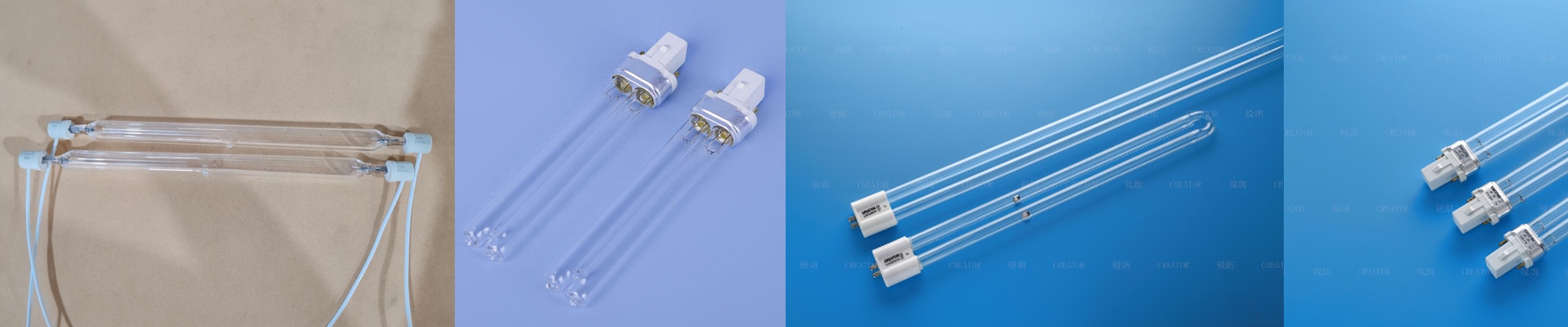
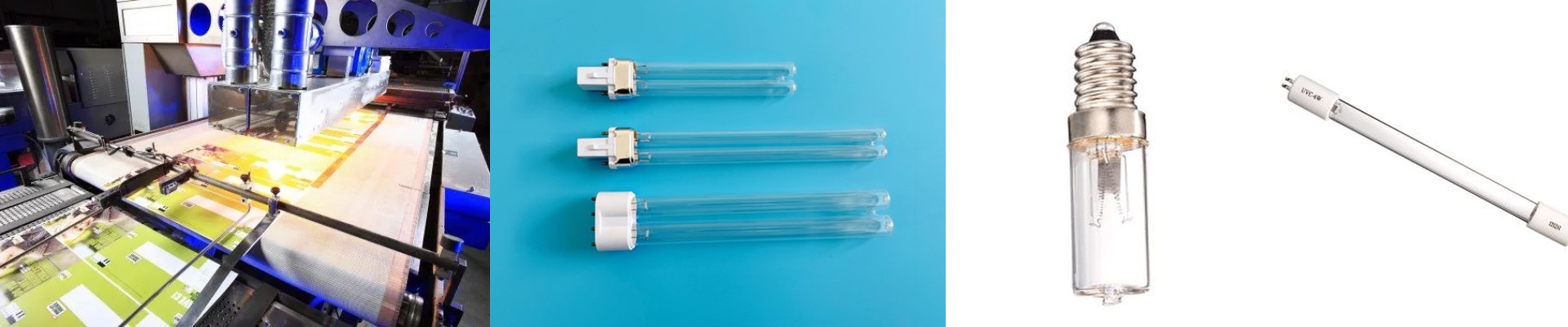
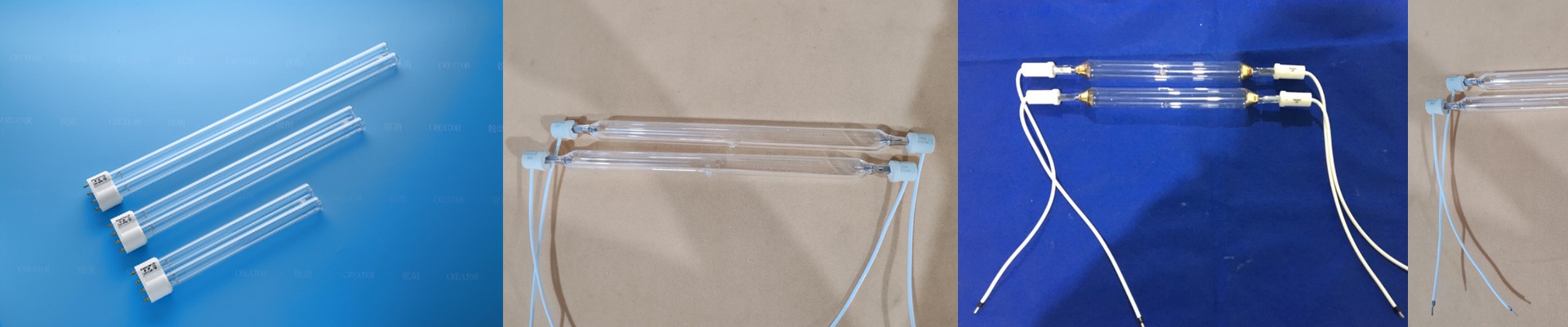
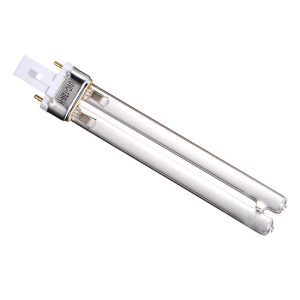
On a banknote verification line, a UV lamp that just “lights up” isn’t cutting it. If the UVC output drifts, those fluorescent security marks get misread—and any sterilization claims fall apart. Want performance you can count on? You have to measure and control irradiance in real time. What actually matters, technically When we spec UVC lamps for currency verification and disinfection, we talk about repeatable photon flux, not “how bright it looks.” You need stable spectral output centered on 254nm, and the emission profile has to stay within a tight window. Peak irradiance at the target plane has to hold steady over the duty cycle, and the lamp needs to keep output strong—low attenuation—over thousands of hours. Add integrated intensity monitoring and you turn a lamp into a closed-loop process: the controller compares the measured mW/cm² to the setpoint and compensates for aging, voltage swings, and reflector fouling. That’s how you get repeatable activation of photoinitiators in coatings—and a repeatable germicidal dose on surfaces. Why this approach fits the line In high-throughput verification and sanitation cells, seconds are the currency and rejects are measured in basis points. A stable UVC field cuts down false accepts and false rejects, and it keeps cycle times predictable. Run at a verified intensity window, and every note—every surface—gets the same dose. You end up with consistent read accuracy and consistent log-reduction, plus fewer lamp changes and less unplanned downtime. A few shop-floor details to keep straight Put the UVC intensity monitor at the working distance and keep it on a calibration schedule; misalignment will make the reading look better than it really is. And remember, high-output UVC sources throw off heat—airflow and keeping reflectors clean directly affect spectral stability. Plan for thermal management and routine verification, and the system will hold the required intensity curve shift after shift.