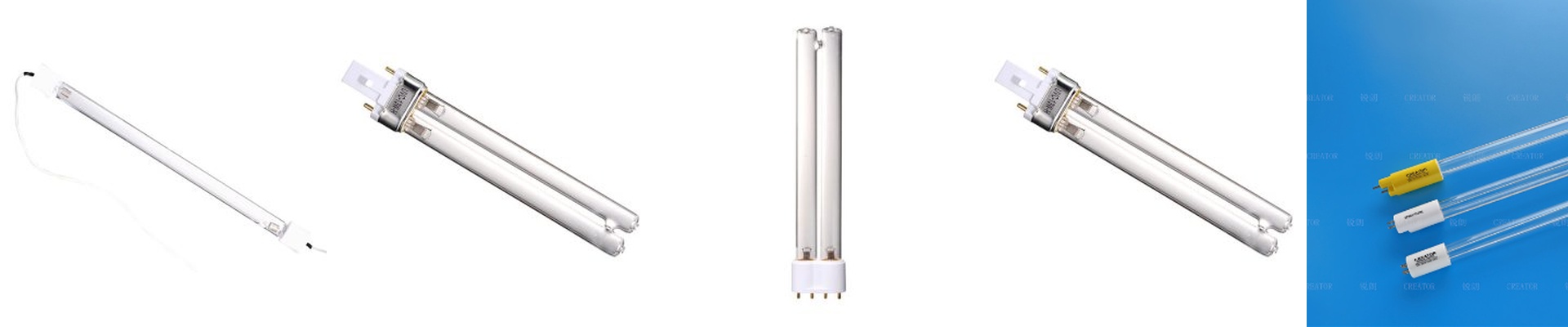
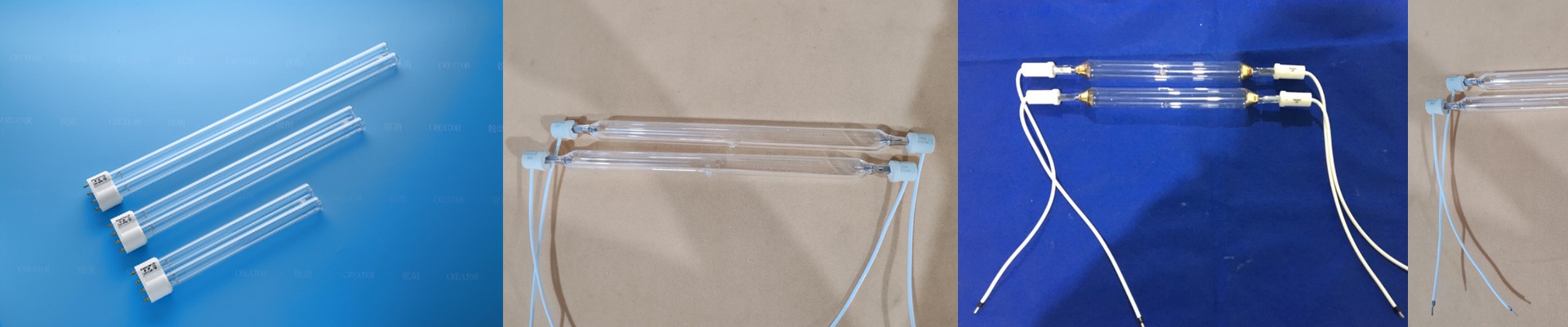
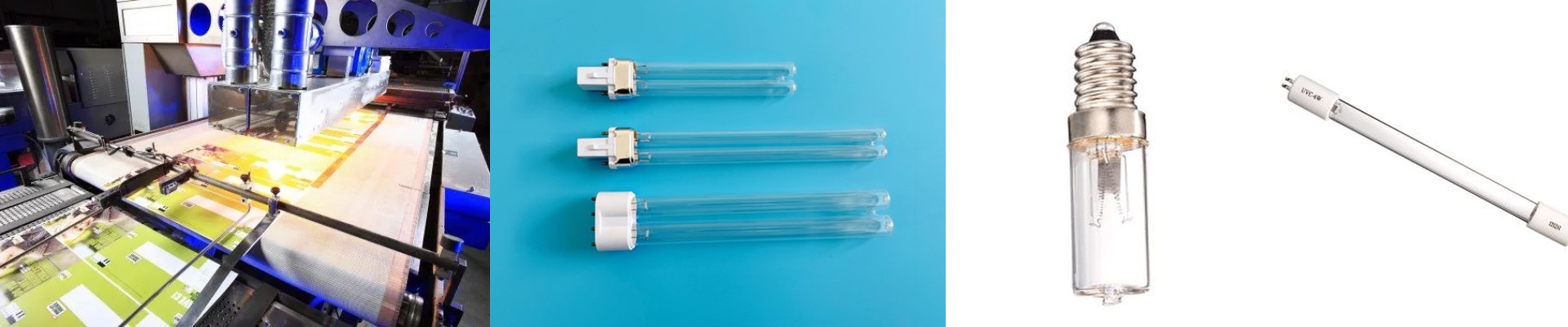
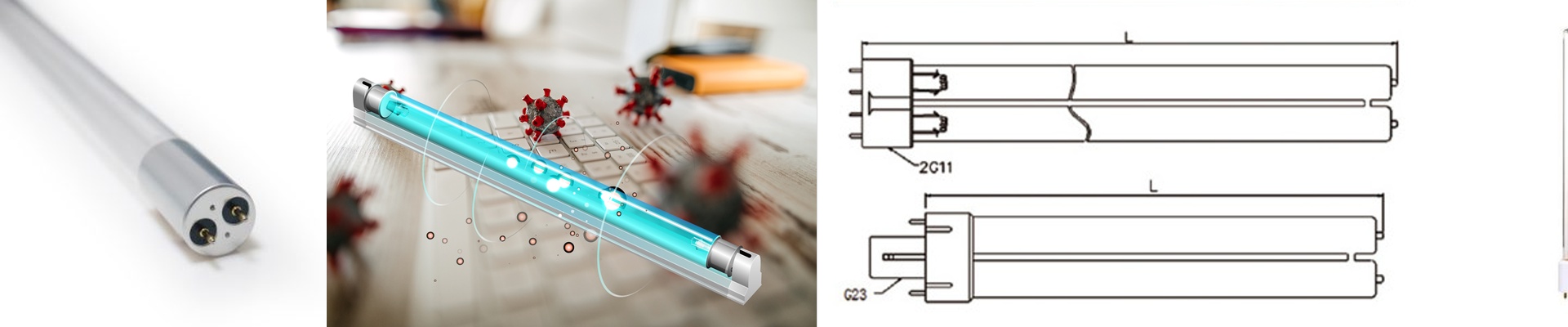
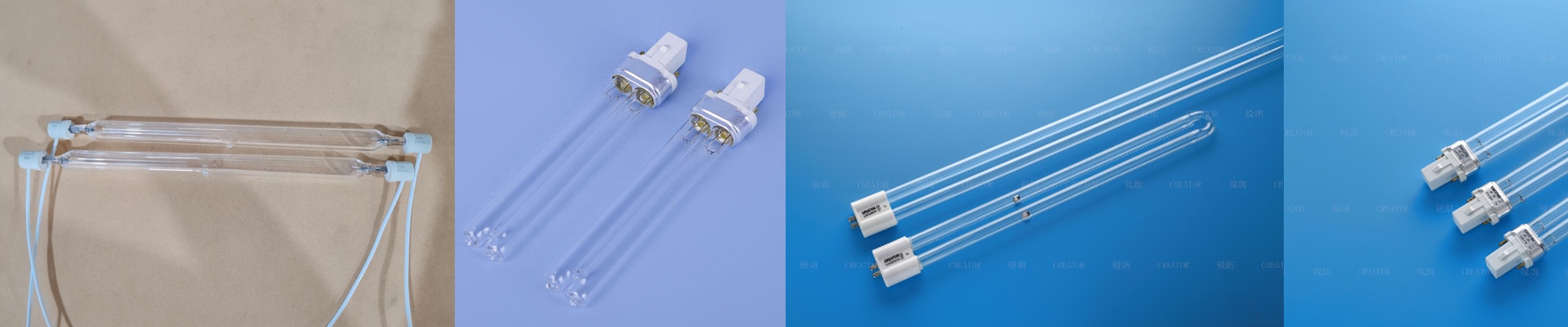
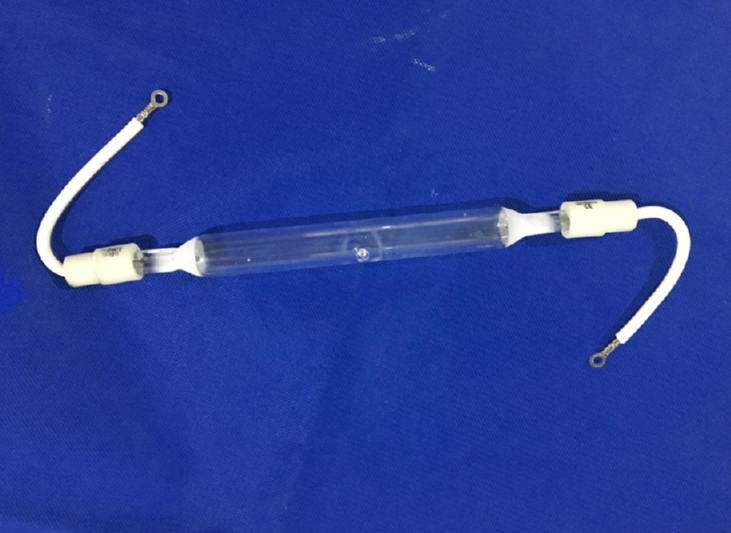
In a food processing shop, microbial load on surfaces and in process water isn’t a “what if.” It’s the risk you live with every shift. When a rinse line or conveyor misses disinfection, you don’t get a do-over—you get rejected batches, regulatory headaches, and downtime. The real question is operational: how do you hit 99.9% broad-spectrum sterilization, reliably, with no chemical residue, and at production speed? What matters technically We lean on low-pressure mercury vapor lamps built for strong 254nm UVC emission—the wavelength that hits DNA/RNA the hardest. But in the field, “UV is present” doesn’t cut it. It’s all about dose control. You need a verified UV dose (fluence) at the target—typically 40–100 mJ/cm² for many foodborne pathogens—delivered with stable peak irradiance across the whole treated zone. That means a quartz sleeve with high UV transmittance, a reflector geometry that keeps uniformity, and an ozone-free design so the lamp can run in air and water without creating secondary contaminants. Output stability is the quiet detail that makes or breaks it. We design for long-burn hours with controlled end-of-life decay, because a lamp that drops 20% irradiance mid-cycle will quietly miss your kill target. Why it works in this environment High-penetration UVC gets at rinse water that’s opaque and surfaces that sit in shadow—places contact disinfectants can’t reach. You get consistent microbial reduction across bacteria, molds, and viruses, without heat, without chemistry, and without changing product taste or texture. Sanitation cycles finish faster, performance is repeatable and audit-ready, and lamp replacement intervals stay predictable. For food safety teams, that means fewer recalls and fewer unplanned line stops. Here’s what you need to keep straight UVC effectiveness comes down to line-of-sight and how clear the medium is. Turbid water, scale, or biofilm on the sleeve cuts transmission and creates shadowed zones—pre-filtration and routine sleeve cleaning aren’t optional, they’re mandatory. And lamp output has to be measured at the work plane with a calibrated radiometer, not guessed by age. Irradiance drops with distance squared and depends on reflector condition. Match lamp length, end-cap type, and ballast compatibility to your housing, or you’ll under-dose the target even if the lamp itself is capable.