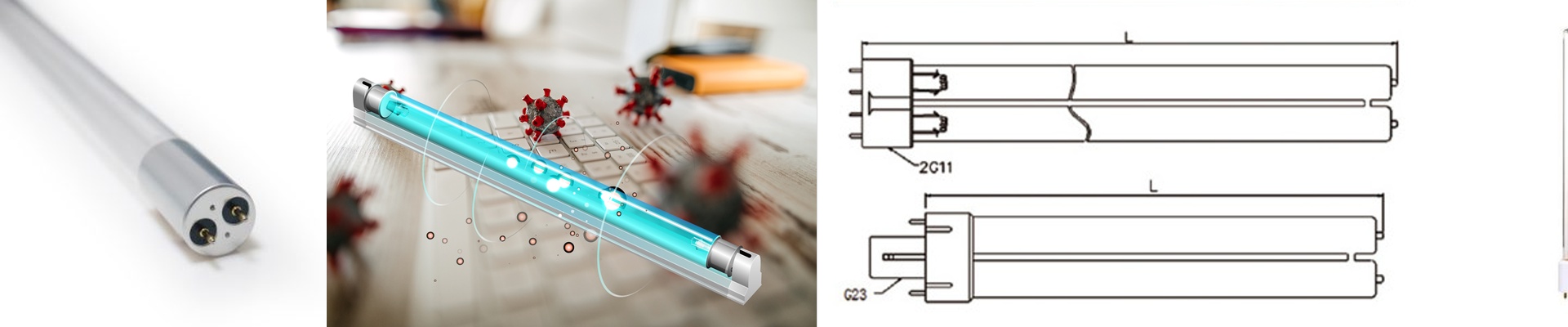
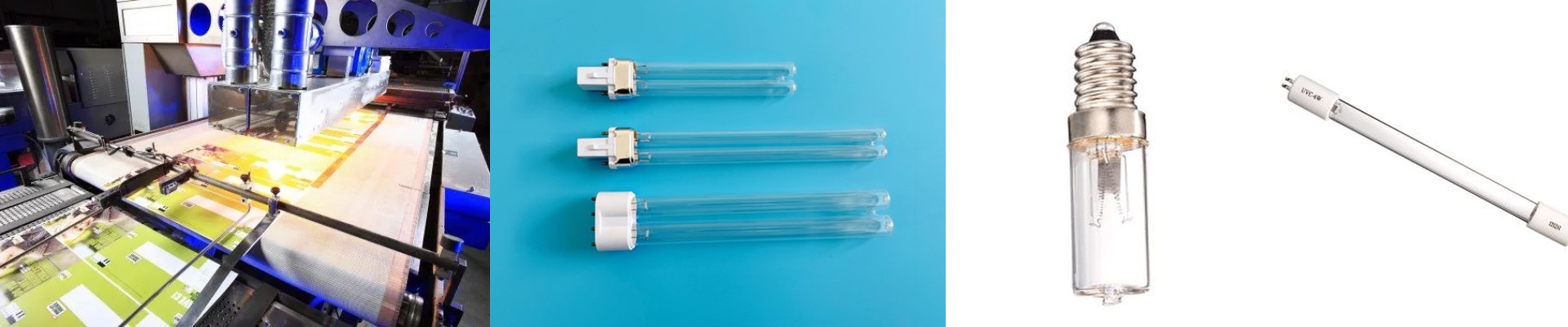
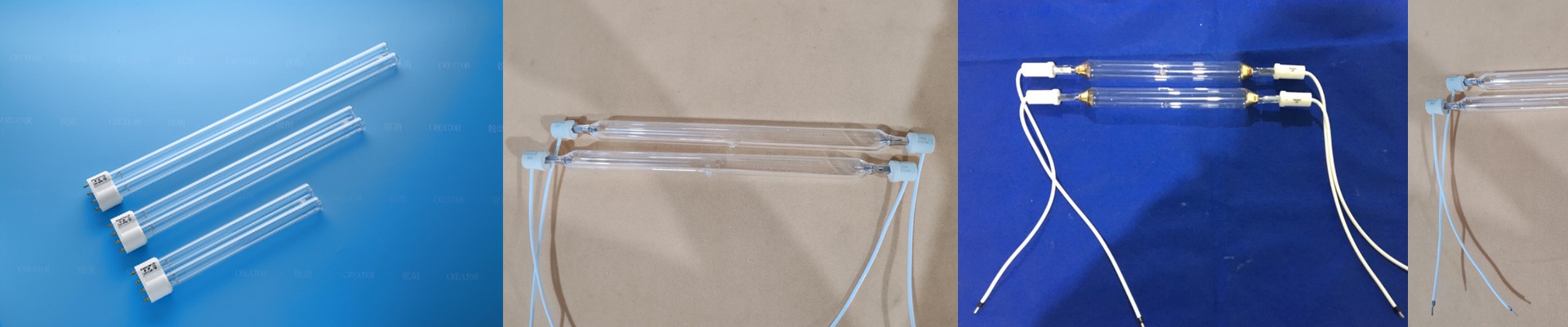
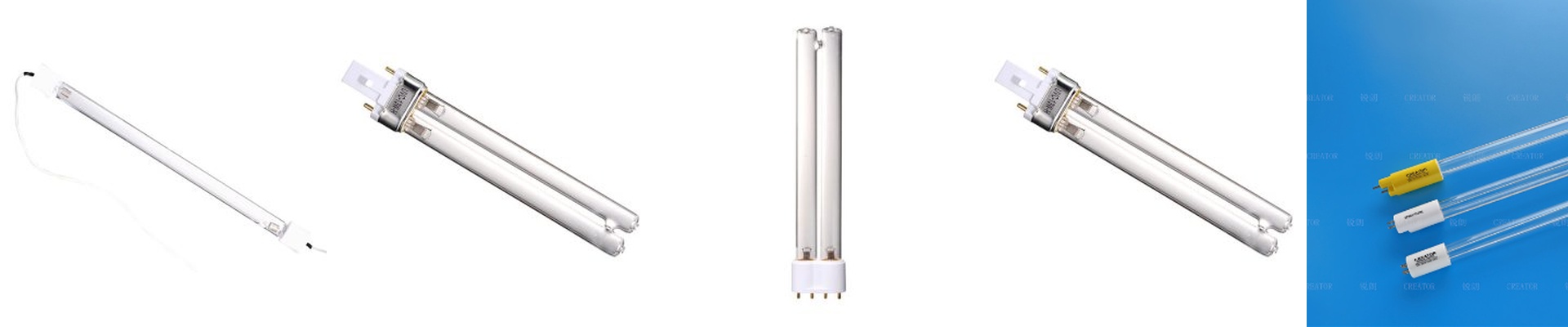
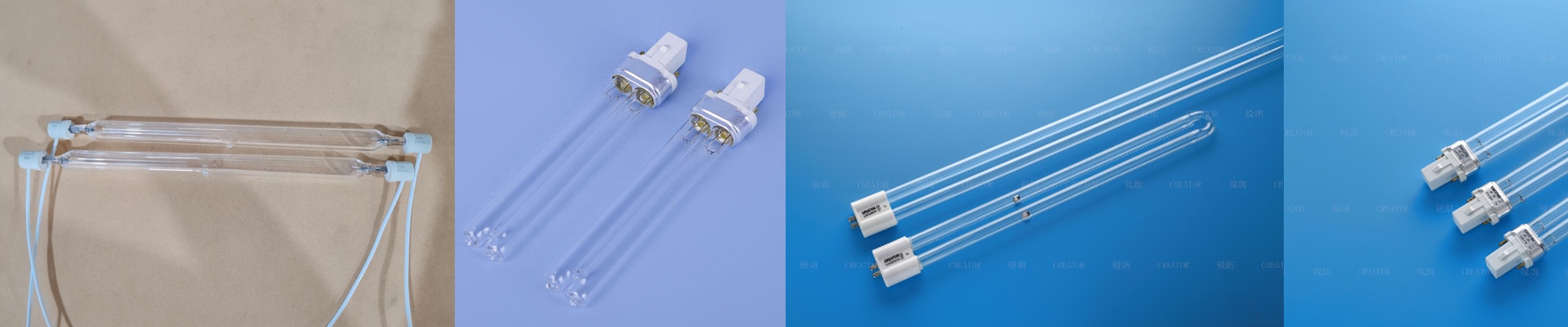
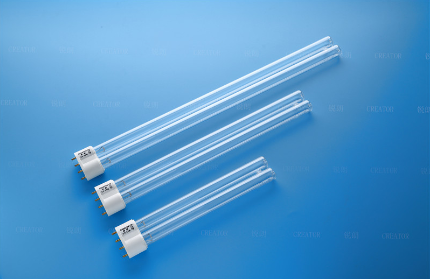
UV startups in resin art don’t fail for no reason. Most of the time, it comes down to a mismatch between the trigger module and how the lamp actually behaves at ignition. If the trigger can’t hit the required open-circuit voltage, and the lamp’s arc gap won’t strike reliably, you end up with repeated tries, electrode erosion, and inconsistent spectral output. Then the resin won’t cure, and you’re stuck reworking. What matters, technically A stable cure begins with stable ignition. We match the trigger module to the lamp—arc length and gas fill—so the open-circuit voltage is consistent and the ignition profile stays under control. Peak irradiance holds steady across the right spectral window, typically 365nm, 385nm, or 405nm, depending on the photoinitiator chemistry. The reflector uses a dichroic coating to shape the output and cut down wasted IR, and an ozone-free quartz envelope keeps the work area clean while protecting end-of-life stability. Output is specified in mJ/cm² and measured with a spectral radiometer, not some marketing figure. Why it works in resin art Resin art demands repeatable cure from the first layer to the last. Matching the trigger to the lamp cuts misfires and gets the lamp up to target output fast, which shortens cycle time and lowers energy use. The payoff is consistent cross-linking, fewer rejects, and lamp life you can plan around. We’ve got units running 5,000+ hours with less than 5% output drop, measured right at the substrate plane. Things to keep straight Match the trigger to the lamp—no swapping triggers across different lamp lengths or power classes. Check your power supply voltage tolerance and make sure the grounding is solid. Let the lamp fully warm to thermal equilibrium before you take production measurements, and avoid rapid on/off cycling; it chews up the electrodes.