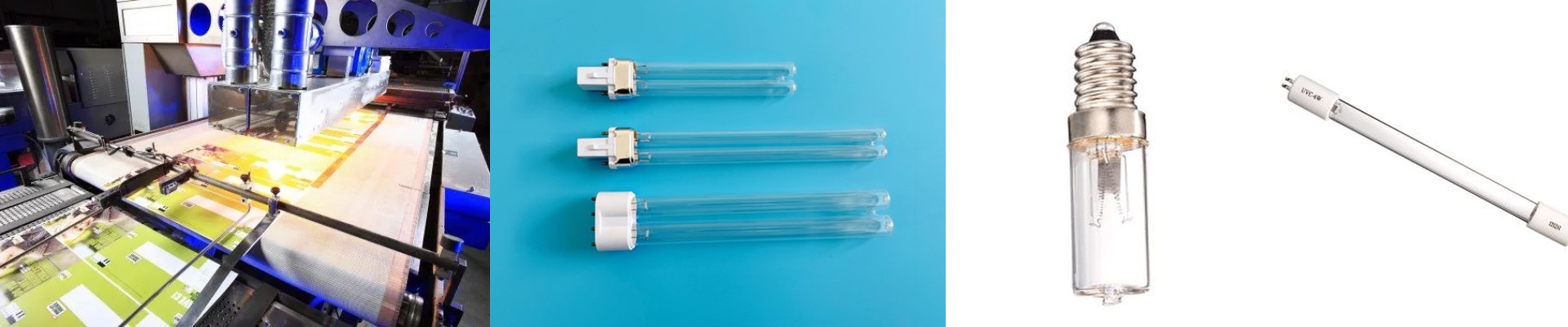
On the label press, blur and halation aren’t just “cosmetics.” They’re the telltale signs of incomplete cross-linking. In flexo UV curing, the ink film is thin and the web is moving fast. If the lamp’s spectral output and energy delivery drift, the photoinitiators don’t trigger cleanly. The result? Feathering in fine text and dot gain around halftones.
What actually matters under the hood
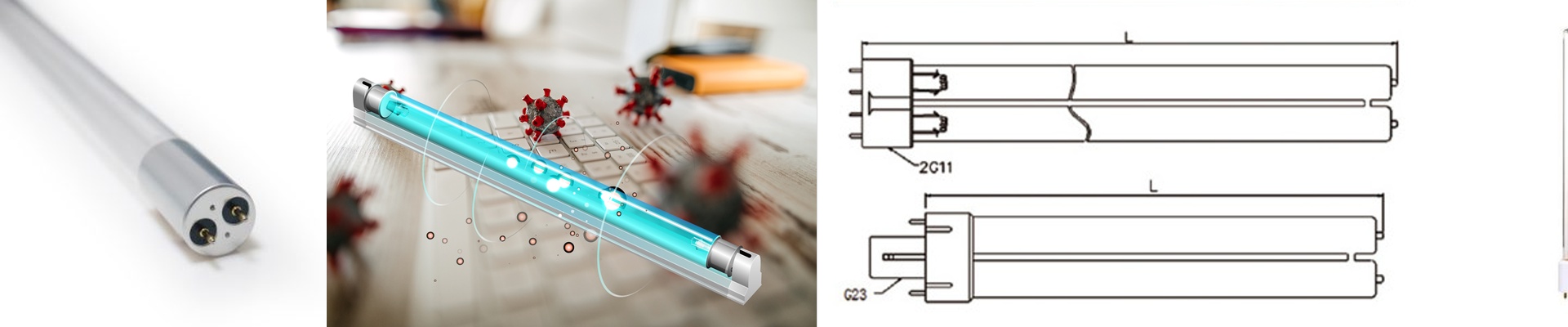
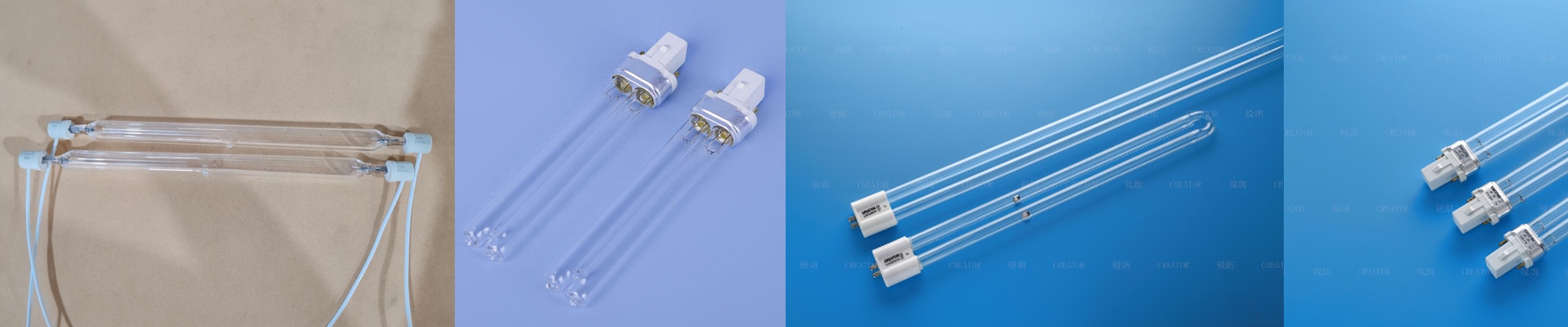
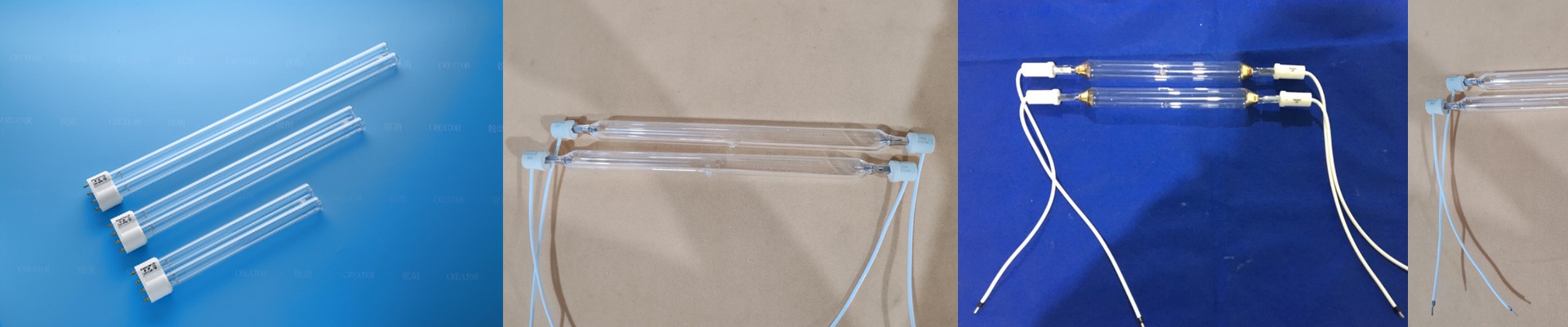
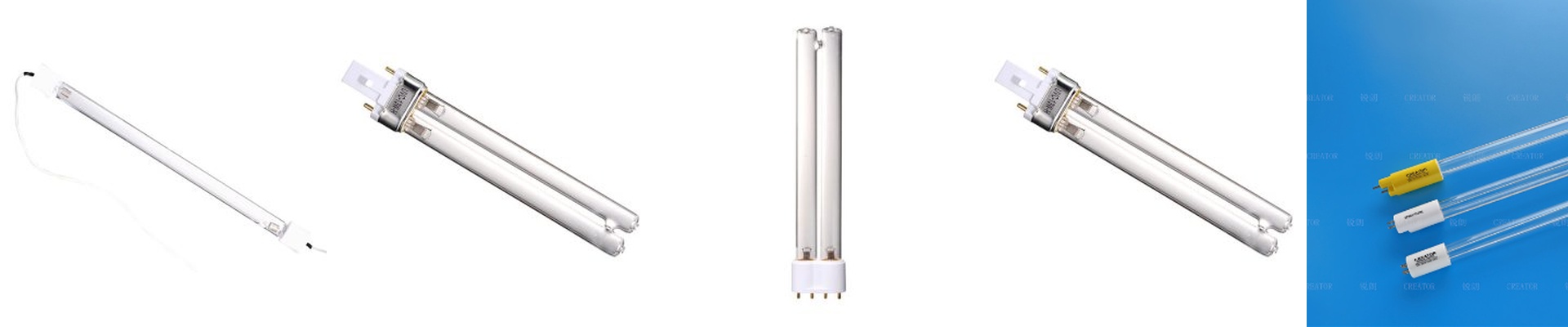
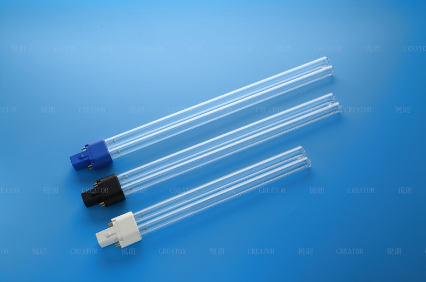
A Western Quartz UV lamp is built on a stabilized mercury vapor discharge inside a high-purity quartz envelope, tuned to the photoinitiator window most flexo inks rely on. You get dominant output around 365 nm, with controlled spectral shoulders and steady arc stability. The lamp throws high peak irradiance—often over 12 W/cm² in typical reflector setups—so you hit the surface dose (measured in mJ/cm²) inside the press dwell window. We match arc length and reflector geometry to the print deck so the energy profile across the web stays even. That keeps the hot spots that over-cure and the valleys that under-cure out of the equation. The quartz body holds UV transmission without much solarization, and in standard air-cooled setups it runs ozone-free.
Why this matters on a label press
Stability is what separates a good day from a scramble. The lamp holds output with minimal drop over thousands of hours, so you’re not chasing cure every time the job changes. That means consistent dot reproduction, sharp reverse text, and color density you can count on. Because the energy lands faster, you can run higher line speeds without cranking up lamp power. The lower thermal load also protects thin films and heat-sensitive adhesives. Fewer reprints, less solvent wash, and more uptime.
The shop-floor details that make the difference
Installation has to respect the reflector-to-web gap and cooling airflow. If it’s off, energy scatters and cure uniformity falls apart. Make sure the power supply matches the lamp’s ignition voltage and operating current—mismatched ballasts shorten lamp life and destabilize spectral output. Pair the lamp with a clean reflector and a calibrated radiometer. And plan replacement around a measured energy budget, not the calendar, so curing stays repeatable shift after shift.