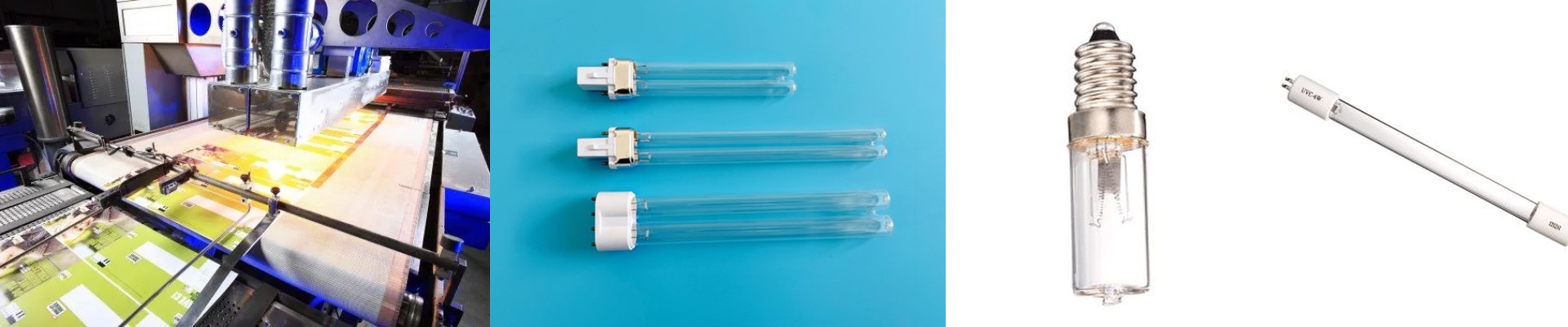
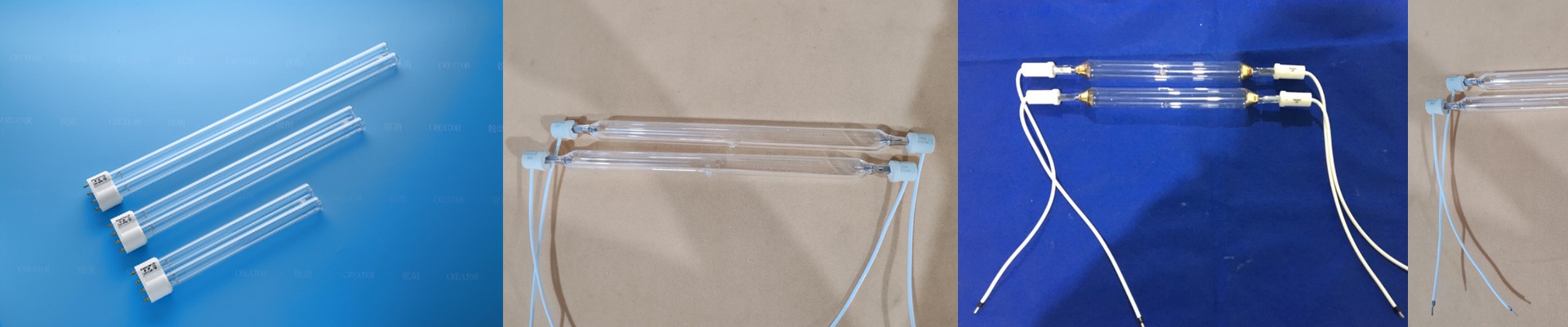
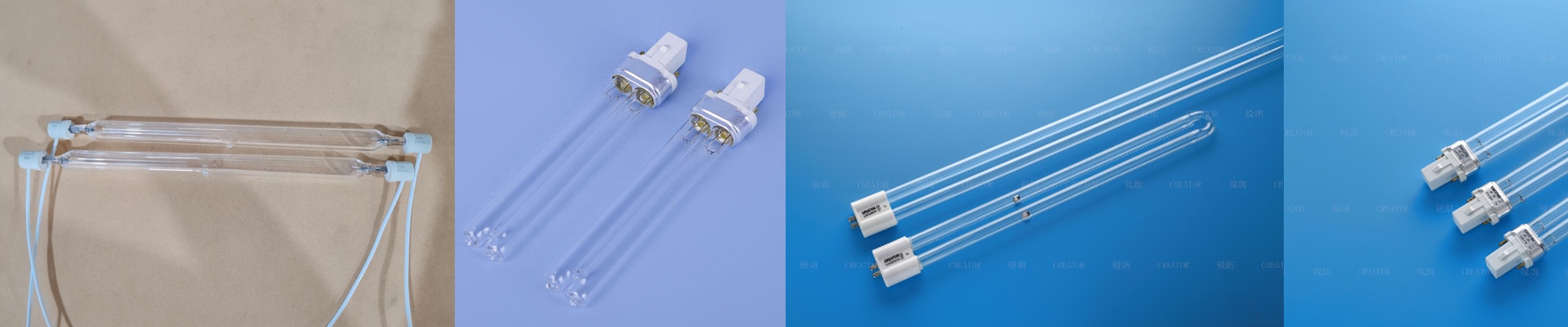
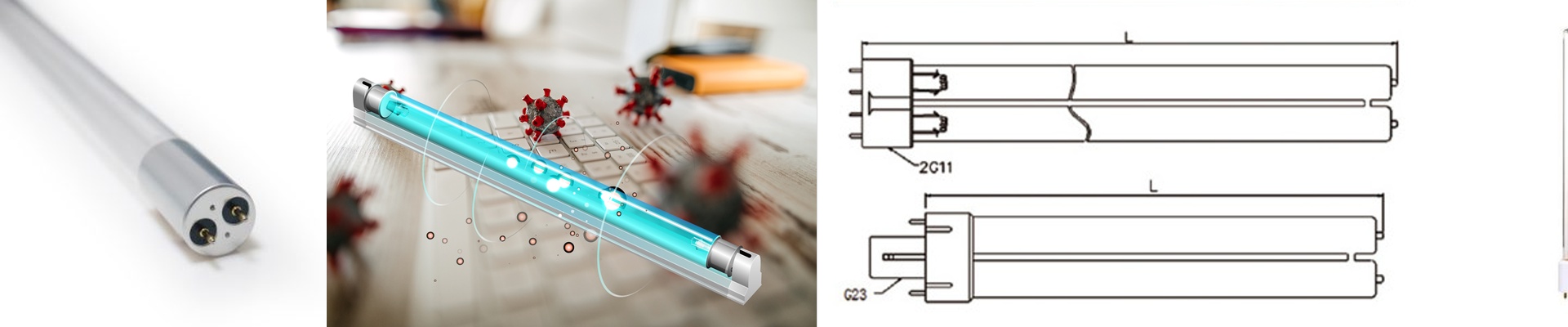
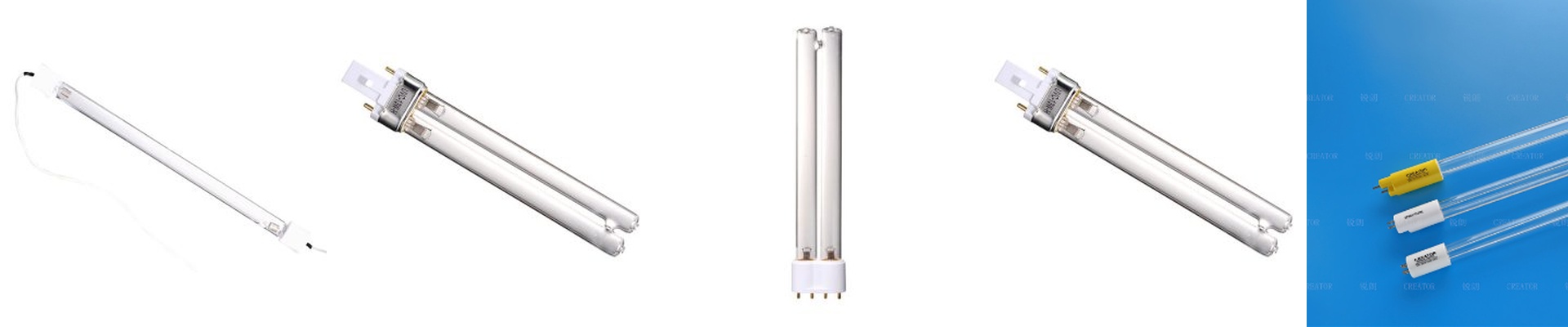
In water treatment, you don’t get a second chance. One microbial slip and you’re staring down rework, fines, and a hit to your reputation. So the real question is: how do you hit instant, reliable sterilization on a moving stream—without leaving chemical residue behind? It comes down to physics: quartz glass transmittance and the raw output of a high-intensity UVC lamp. What actually matters on the technical side Standard borosilicate glass soaks up the germicidal 254nm wavelength. We run ozone-free quartz glass with >90% transmittance at 254nm, so the full UVC dose gets through. The lamp has to deliver stable, high-output irradiance—measured in mW/cm²—right at the target water layer. Peak output needs to hold across the entire lamp life, not drop off like you see with cheaper systems. That kind of stability is what keeps microbial kill rates repeatable, job after job. Why this approach fits a flowing system In a moving line, contact time is measured in seconds. The lamp intensity has to make up for fluid velocity and turbulence. With quartz transmittance dialed in, UVC photons penetrate the water column and hit log reduction of bacteria and protozoa within seconds. You end up with a compact reactor footprint, lower energy per liter, and disinfection that doesn’t rely on heat or chemicals. Predictable output and fewer lamp changes also help keep total cost of ownership in line. The details that will trip you up Quartz sleeves don’t forgive fouling or thermal shock. Control flow during install and keep the sleeves clean—scale or biofilm will cut UVC by a measurable margin. Match lamp power to flow rate and water quality. UVT, turbidity, and iron all change the dose you actually deliver. In potable applications, stick with ozone-free quartz to avoid secondary contamination. And plan for end-of-life detection plus a steady cleaning schedule, so irradiance stays within spec.