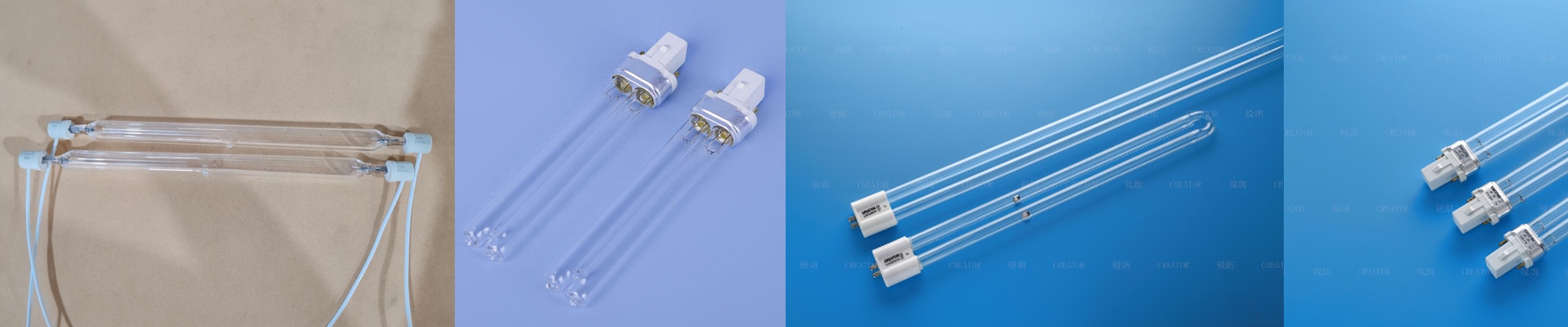
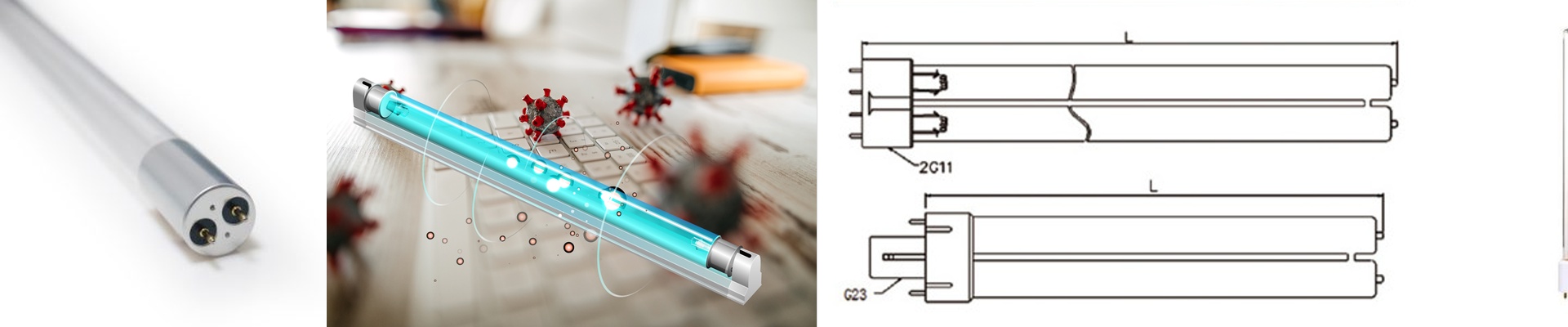
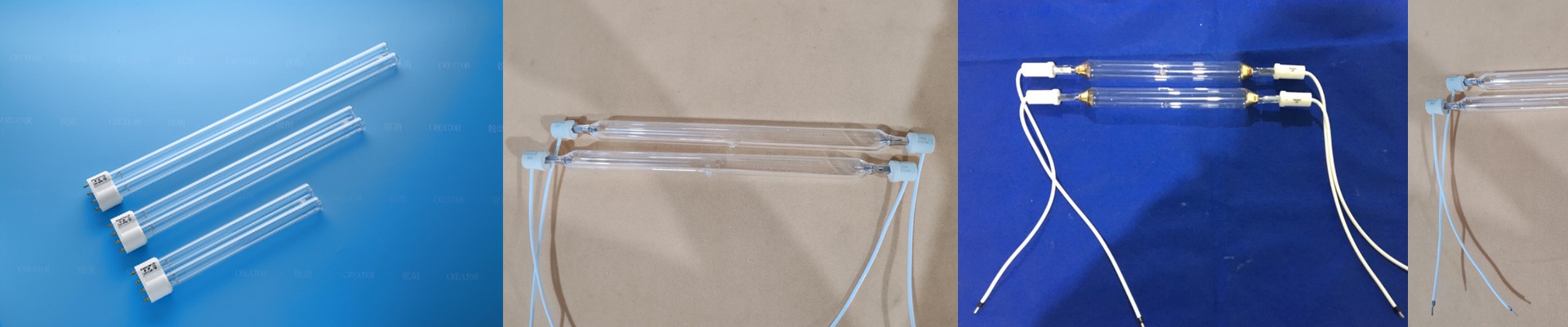
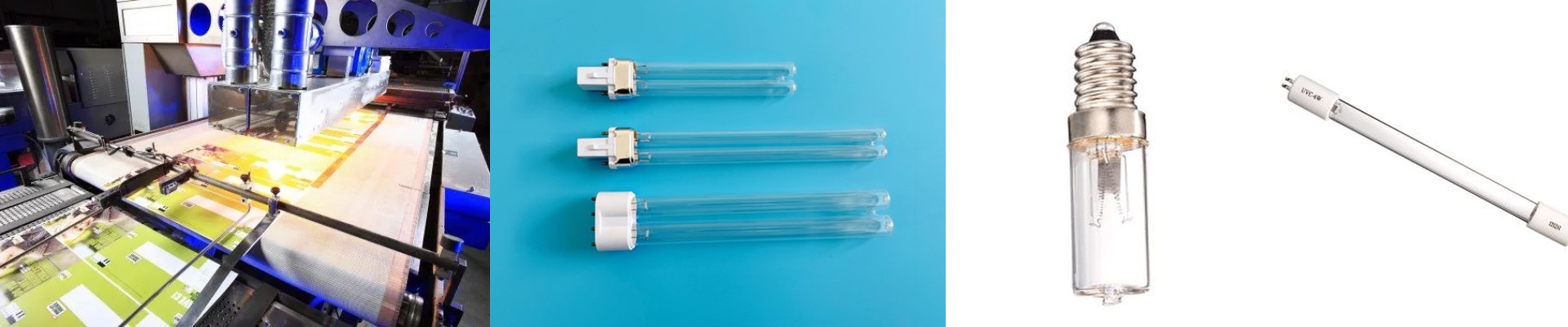
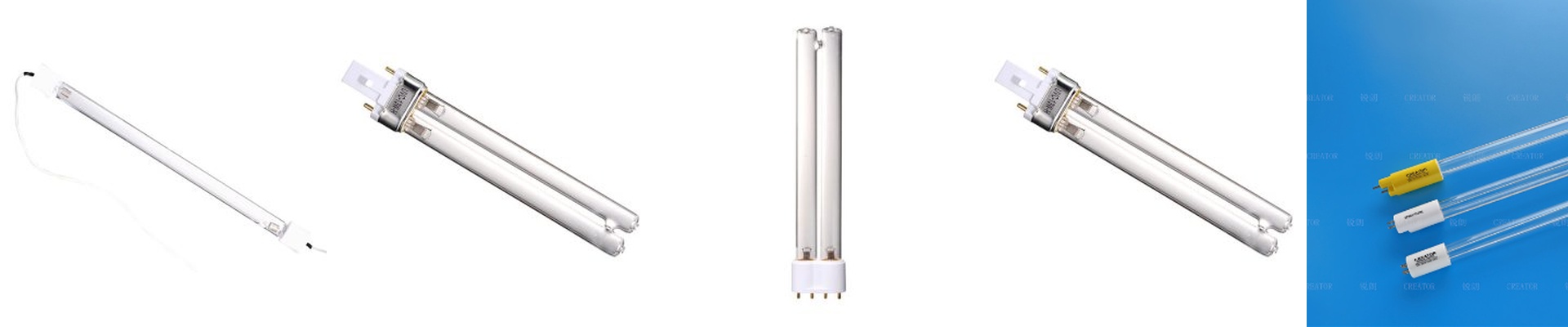
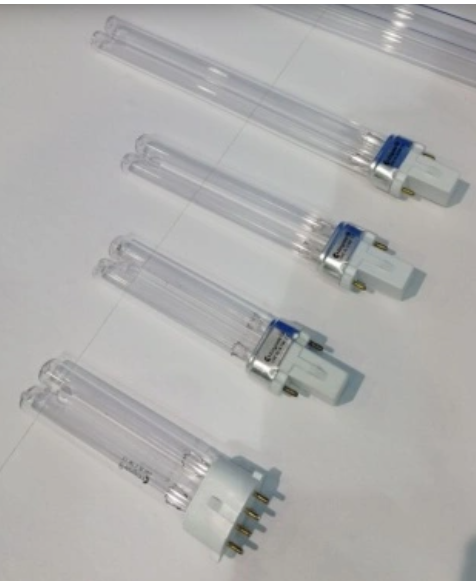
On the floor, the press doesn’t wait. When the web hits the UV zone, the lamp has to deliver energy—instant, repeatable, no excuses. Too little dose, and the ink stays tacky. Uneven dose, and the substrate starts to warp. We built our Amalgam UV germicidal lamps to keep both of those failures from happening.
What actually matters under the hood
Amalgam lamps are mercury vapor devices, engineered for stable arc control and high peak irradiance. They run hotter than electrodeless systems, and that heat translates into faster photoinitiator activation across a broad spectral band. You get strong output around 365nm, with usable energy extending into the 385–405nm range—handy for formulations tuned for longer wavelengths. The reflector and dichroic coating shape the delivered spectrum and keep the heat on the lamp side, not on the substrate. Peak irradiance is the number that moves the reaction. It’s the dose rate that makes high-speed curing possible at line speeds that would stall a weaker lamp. We measure and document output at the curing plane, not just lamp power.
Why this fits real press work
Offset needs deep cure through a thin film. Flexo needs uniform cure on absorbent films and foils. Screen needs deep penetration into thick deposits. One lamp won’t do all three equally. So we match amalgam lamps to the press: the right arc length, the right reflector profile, the right spectral emphasis. The payoff is consistent cross-linking, fewer off-line tests, and fewer rejects. Energy density stays in the window, even at 50,000+ cycles.
The details that keep you out of trouble
Match the lamp to the ballast and shutter system. Electrodeless units are common on some platforms; amalgam lamps need a dedicated ignitor and proper thermal management. Check substrate tolerance for IR and heat load. Thin polymers can distort if the reflector and airflow aren’t tuned. Output will decline over time, so schedule radiometer checks at 2,000-hour intervals and rotate lamps to manage the degradation curve.