Introduction
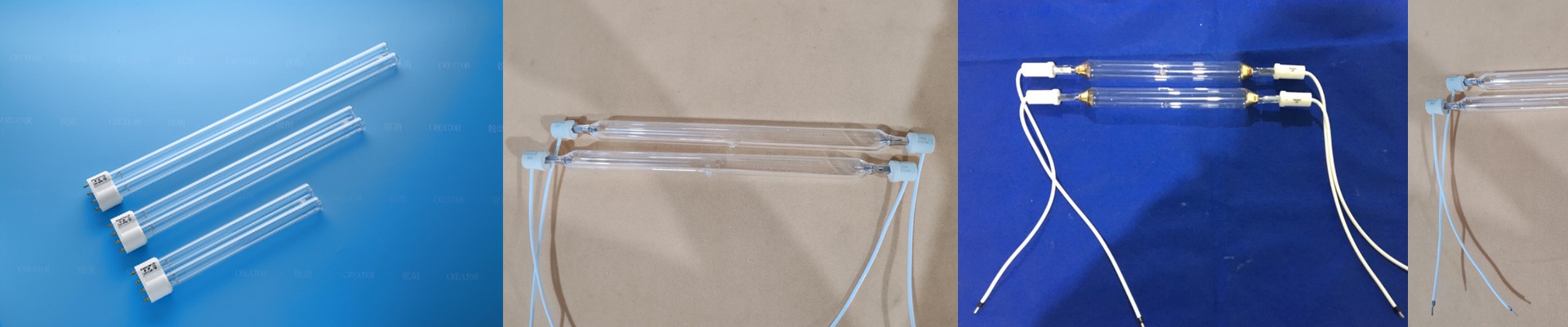
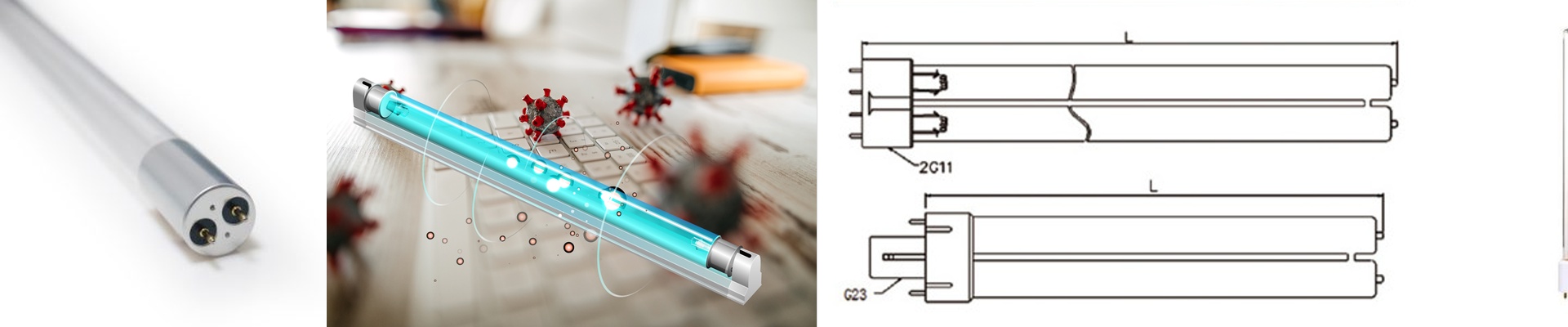
When you’re running an auto body shop, your UV curing lamp can’t be the weak link. It’s the heartbeat of the whole line. We build our lamps to be that reliable anchor for your process. You need to cure primers, clear coats, and topcoats fast, with a light that gives you the same heat and intensity, every single time. That’s why we lean on a high-power halogen system—it’s built to keep up, even when your shop floor is running at full tilt.
The Power Behind the Work
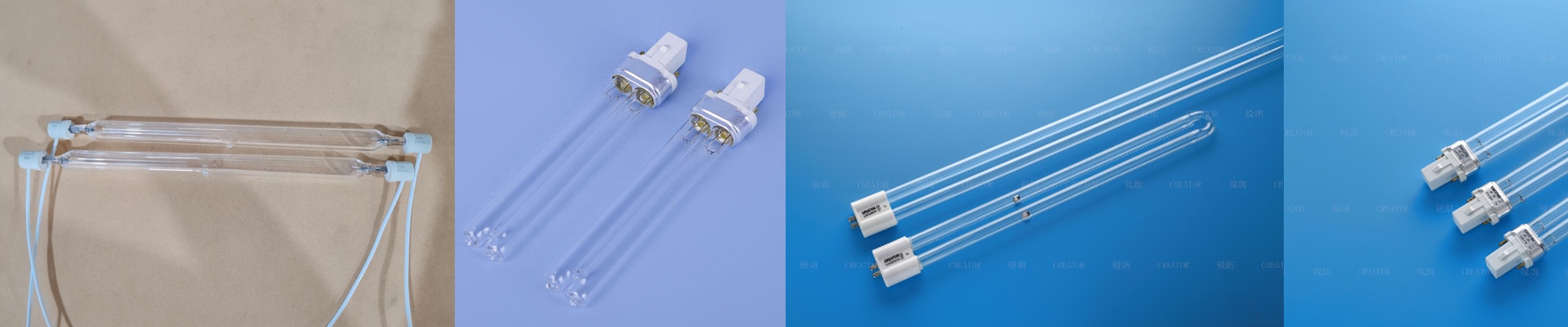
Let’s get into the specifics, because this is where the magic happens. A standard unit in this line runs on 400V, cranks out 2500W, and uses a 300mm quartz tube. It’s a lot of heat packed into a small space. That 400V setup isn’t an accident. It keeps the power steady, even when the lamp is on for long stretches, so you don’t get that frustrating voltage drop. Just be ready—you’ll need to plan your electrical setup and cooling to handle that kind of load. And the 2500W? That means the lamp hits its target temperature fast. Less waiting around. More curing. It shrinks the gap between batches and keeps your line moving.
What It’s Built From
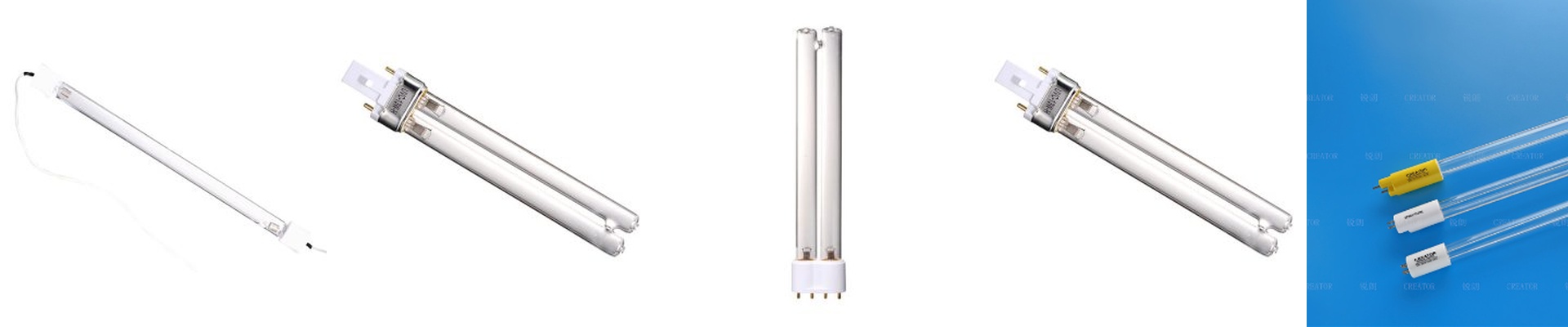
Here’s the thing about a lamp that works this hard—it has to be built to take the abuse. Inside, you’ve got a halogen-filled filament tucked into a quartz envelope. This combo can handle the shock of being turned on and off again and again, and it won’t degrade under that intense heat. The tube itself has a special coating that focuses the infrared output right where you need it. That means you’re wasting less energy and protecting the parts around the lamp from getting blasted with radiant heat. Then there’s the R7s connector. We chose it because it’s secure and low-resistance. It’s quick to wire up and holds tight even when things are vibrating. It’s a straight-forward, drop-in replacement for the fixtures already in your curing booths and on your conveyors.
Why It Works in a Real Shop
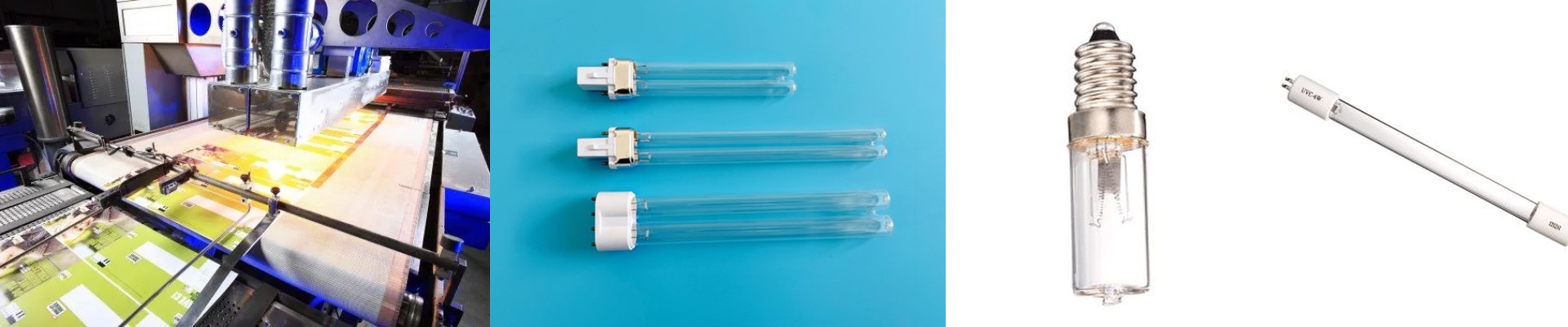
When you’re curing car paint, speed is everything—but not if it ruins the finish. This lamp gives you a concentrated blast that dries coatings fast, without leaving behind surface defects. That means your line can move quicker, and you’ll see fewer rejects from dust or handling issues. It’s built to live in that tough environment—the heat, the solvents, the constant cycling. But, and this is important, that power comes with a trade-off. You have to manage the heat. The machine’s cooling has to be up to the task, so the area stays stable and the lamp lasts as long as it should. For the engineers on the floor, that translates to a process you can count on. Fewer surprises. Less downtime. Just steady, reliable work.