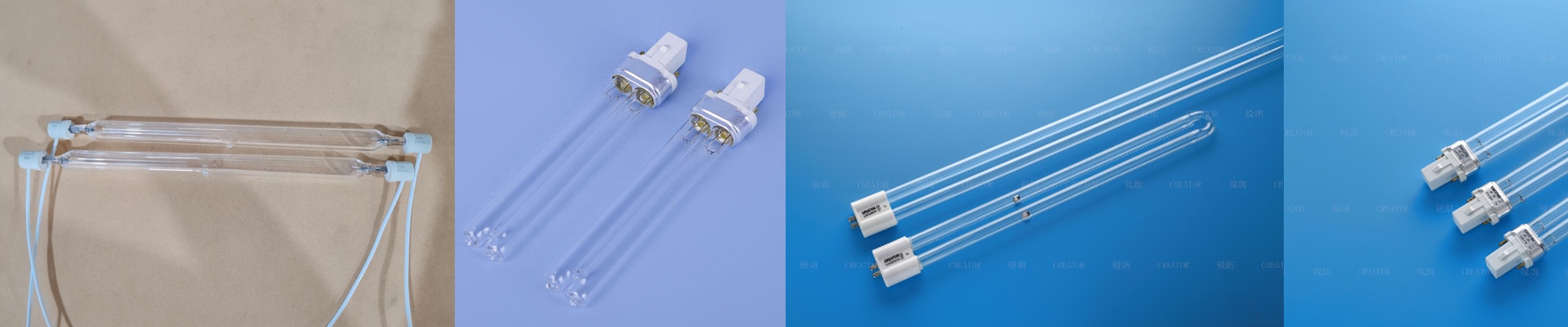
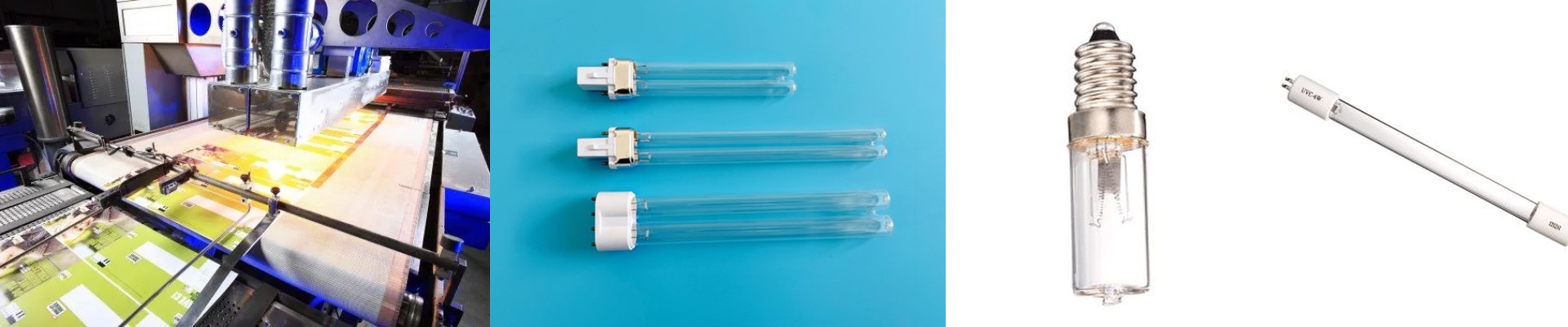
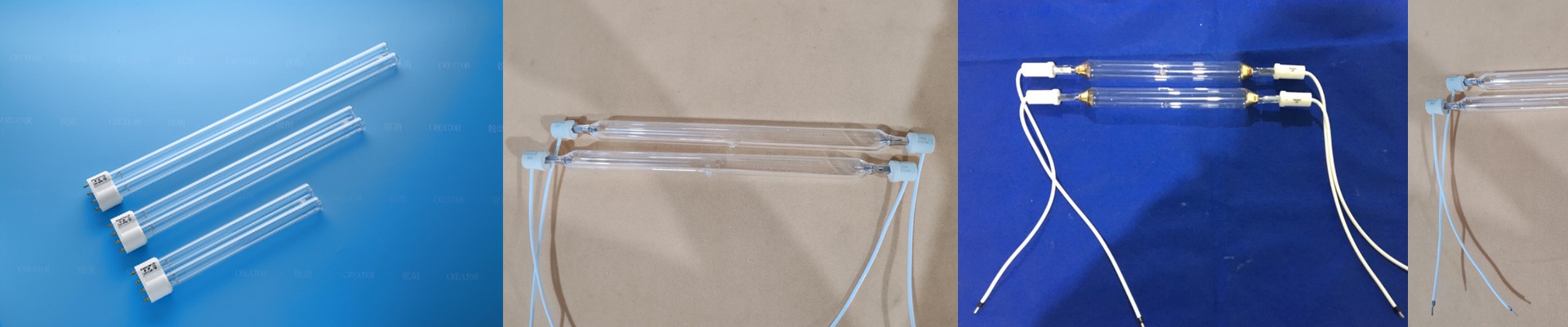
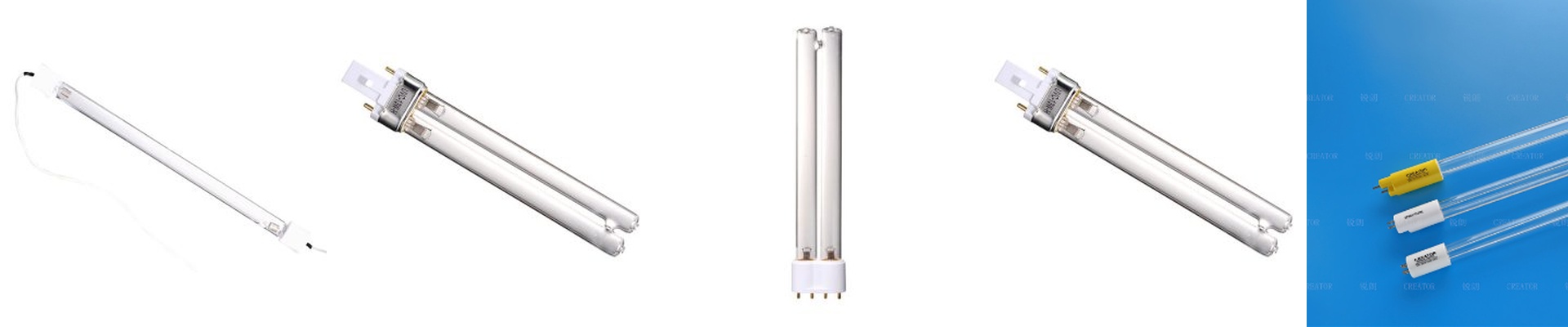
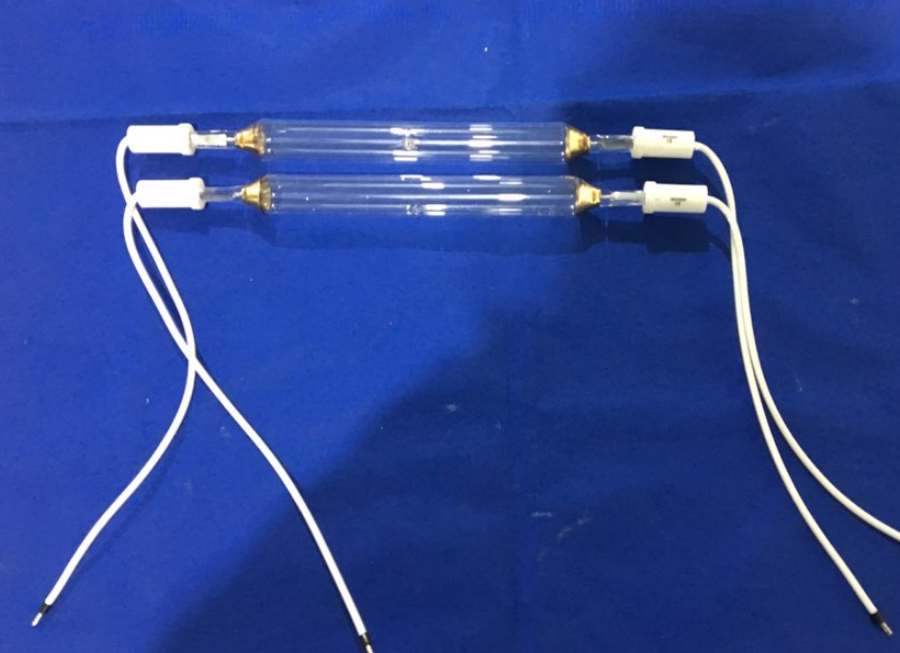
Out there on the floor, you’ve got a high-speed flexo press humming at 400 m/min. The curing unit is supposed to lock pigment and adhesion in one pass, but you’re still seeing tail-end tack, pinholes, and ink transferring onto the stack. Nine times out of ten, the problem points straight at the lamp. As mercury vapor lamps age, their output drifts, and the spectral peak no longer lines up with the photoinitiator package. Then you’re stuck with downtime for lamp swaps and rising energy costs as the reflectors lose their edge. What matters technically The replacement gallium UV lamp is built for industrial UV curing where 395 nm is the dominant wavelength. That number hits the common photoinitiators in flexo and screen inks, delivering high photon flux right where the chemistry absorbs it for fast cross-linking. Peak irradiance hits 1200 mW/cm² with tight spectral control, so you’re putting energy into the reaction, not wasting it as heat. A dichroic reflector and an ozone-free quartz envelope keep usable output high and stabilize the beam profile across the full arc length. Expect 5,000+ hours of stable output, with less than 5% drop in irradiance at end of life. Why it works in your press room Swap in the gallium lamp and you get the dose profile the system was designed for. Curing energy density on the substrate settles at 500–800 mJ/cm², so residual tack disappears and you can handle the job immediately downstream. Because the spectral match is tighter, you can run cooler, which cuts down on film warp and keeps color density consistent across the sheet. Power draw drops compared with mercury, and you change lamps less often, so OEE climbs and maintenance windows shrink. Things to know before you swap Installation comes down to matching footprint, arc length, and terminal orientation to your curing module. Check ballast compatibility and reflector geometry—gallium lamps behave differently electrically than mercury, and a mismatched reflector can slash irradiance. Confirm your ink’s photoinitiator absorption; if the formulation is tuned to 365 nm, a 395 nm source won’t do the job. And when you measure cure, use a radiometer. Gut feeling doesn’t cut it.