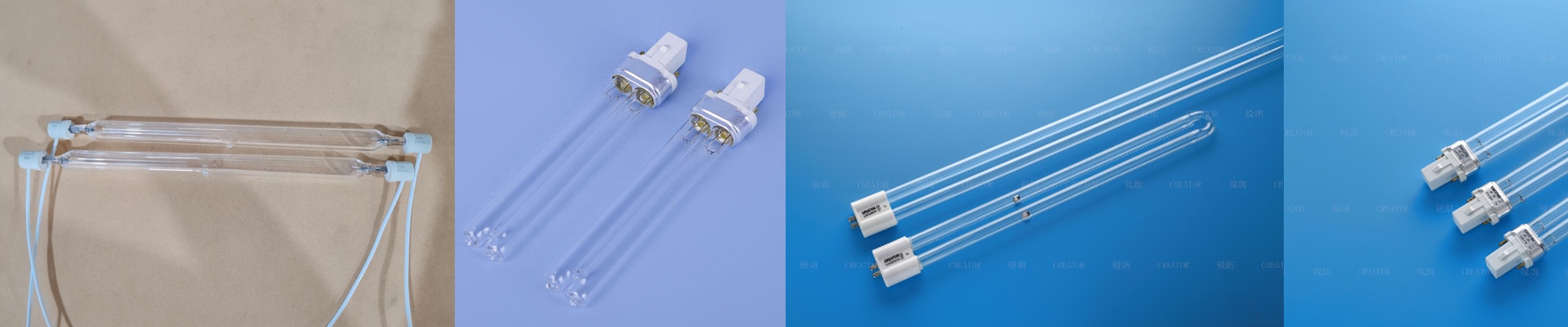
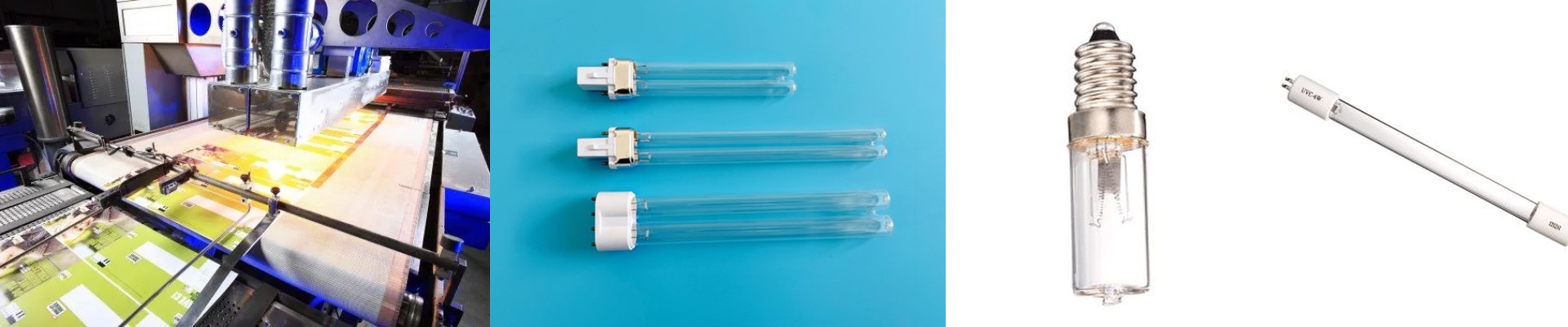
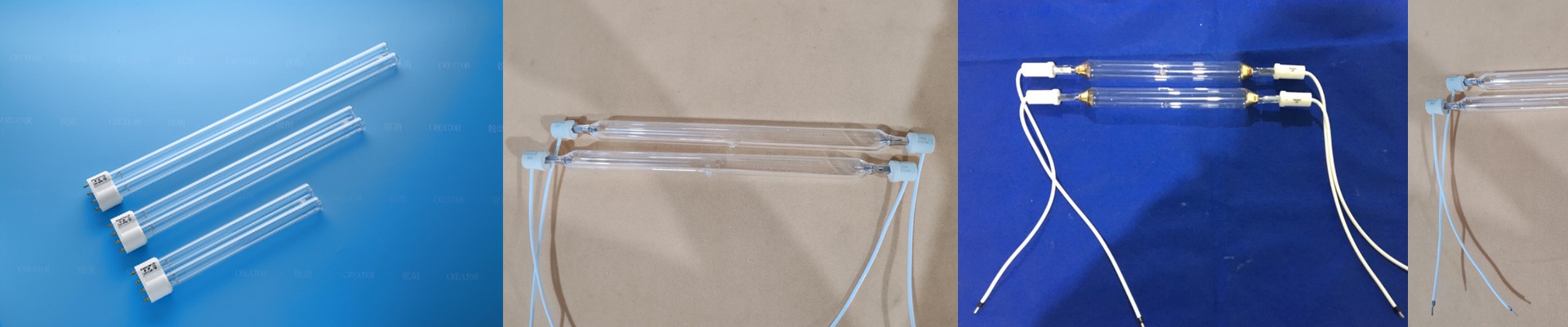
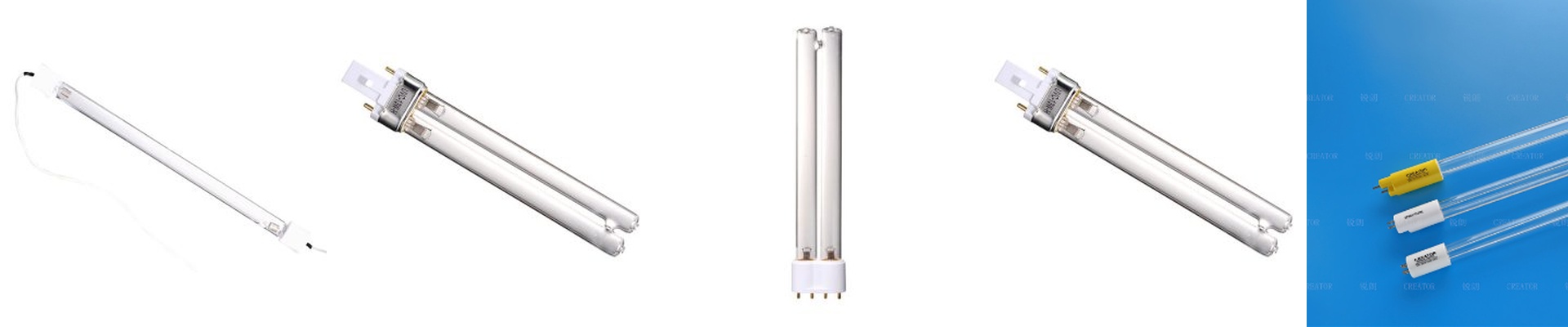
Out on the press, printing curved glass or odd-shaped parts has always meant uneven UV exposure. Some spots get hit twice, others barely get a whisper. Standard mercury lamps throw a broad spectrum that wastes power and creates curing shadows. You end up with incomplete cross-linking, a tacky surface, and too many scrapped jobs. So we built a gallium iodide UV lamp system to fix that—by shaping the energy so every corner gets the same photoinitiator activation dose. What actually matters here is spectral precision and repeatable coverage. Gallium iodide chemistry focuses output around 365–385 nm, which lines up with the glass-print inks and coatings most shops are running. That narrowed band boosts photon efficiency, so peak irradiance at the substrate goes up without scorching the surface. We hold spectral consistency within ±2 nm across the arc length, and the reflector optics use dichroic coatings to control hot spots and keep the line profile uniform. In practice, that means a stable curing dose across complex contours, with measured energy density repeatability better than ±5% over the full print envelope. The reason it works is straightforward: the lamp matches the geometry. By tuning the irradiance profile, you kill the dead zones on convex edges, recessed logos, and undercuts—exactly where conventional lamps choke. You get faster cycle times because the ink surface cures quicker, and fewer rejects because adhesion and hardness stay consistent, part to part. Field units have run 5,000+ hours with less than 5% output drop, and ozone-free operation keeps the area around the press clean. A few practical notes: gallium iodide lamps demand tight ignition and thermal control. Match the ignitor and ballast to the lamp’s voltage and current curve, and keep substrate temperature inside the ink supplier’s recommended window. Reflector alignment tolerance is tight—mis-set by a few degrees and the line profile drifts. Build in routine radiometer checks to keep dose stable, and make sure the lamp housing and cooling airflow on your press are compatible.