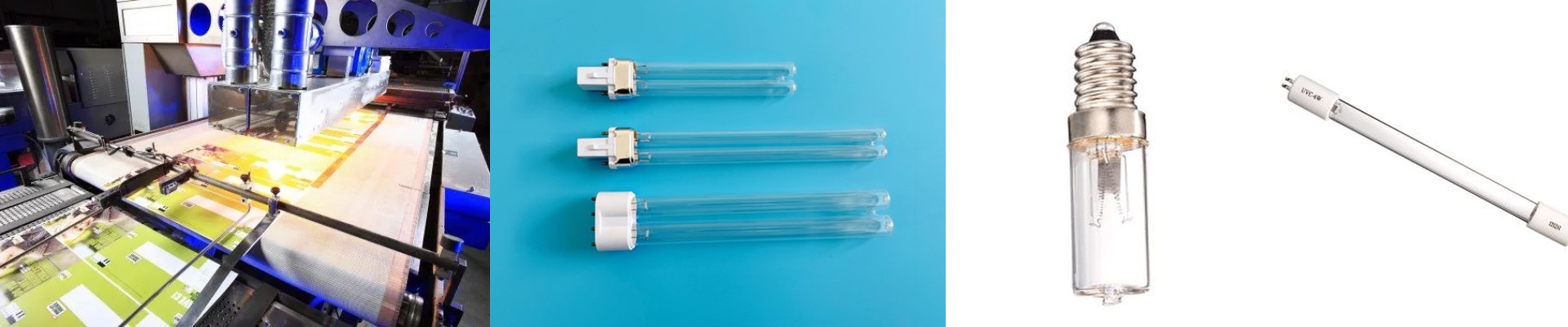
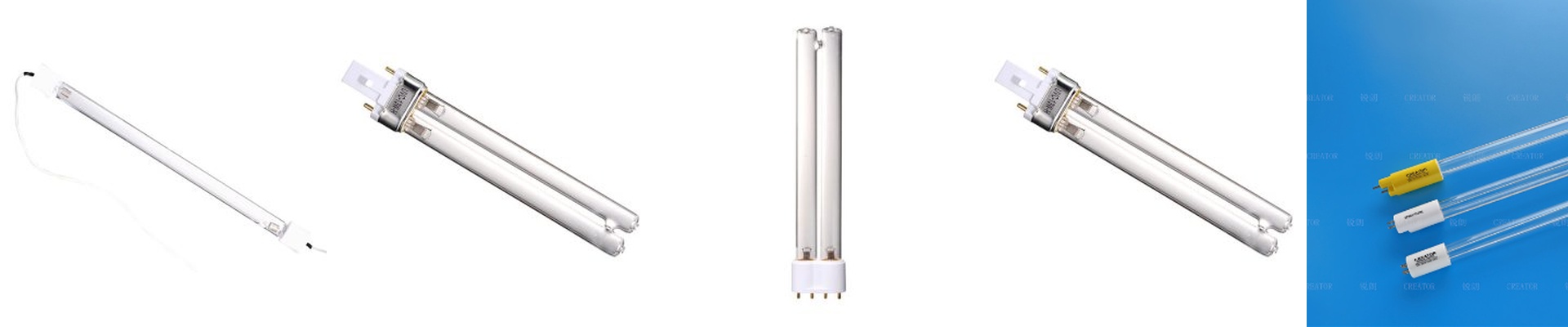
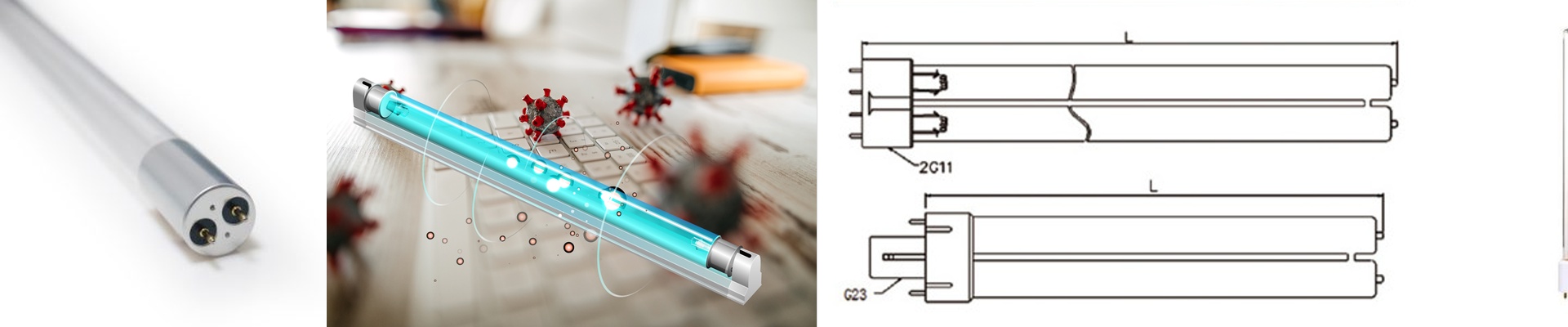
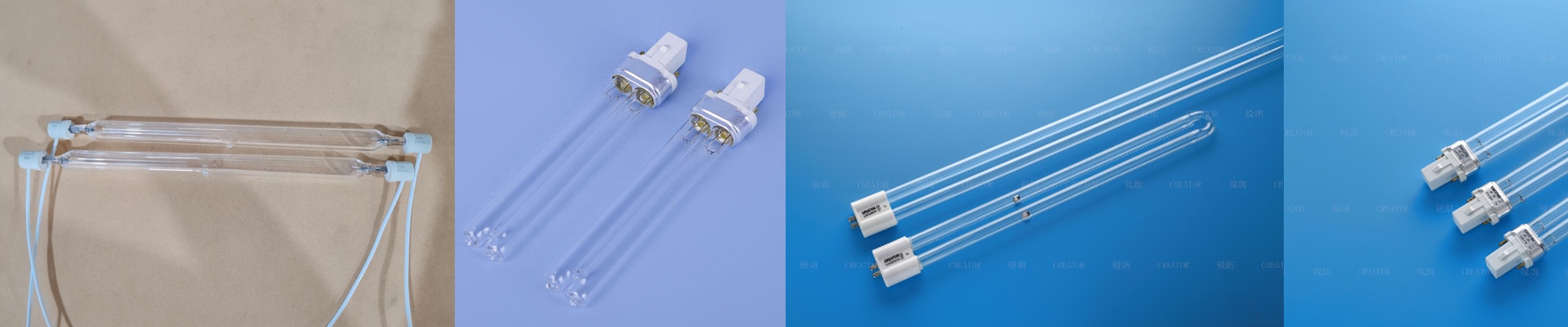
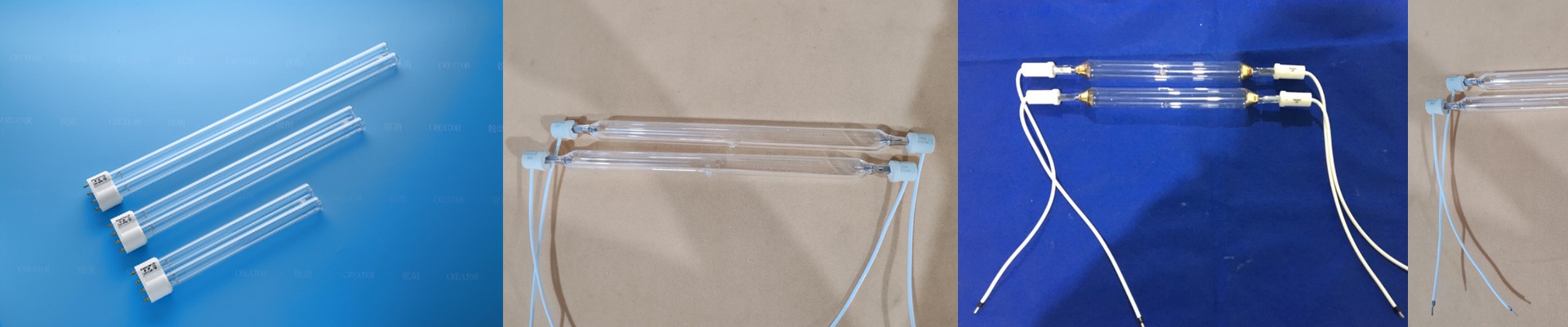
On the Anatol flash-cure line, downtime and electrical rework are the two quickest ways to bleed margin. The ask is simple: get better thick-film curing without rewiring the machine, and keep the spectral output lined up with the ink’s photoinitiator package. We built a gallium UV emitter to meet that constraint, period.
What actually matters, technically
Thick-film inks cure through cross-linking, and that reaction hinges on the photoinitiator absorbing enough energy—photons delivered through the ink layer. A gallium lamp gives you a narrow, targeted spectral distribution, typically centered around 365nm, with a minimal long-wave tail. That puts the energy where the photoinitiator actually responds, so you get improved depth of cure without cooking the substrate. We don’t talk in nominal wattage here. We specify the emitter by peak irradiance and the achievable energy density (mJ/cm²) at the web. The reflector uses a dichroic coating to knock out IR, keeping the heat on the cure side and cutting down on part distortion.
Why it fits the Anatol flash-cure setup
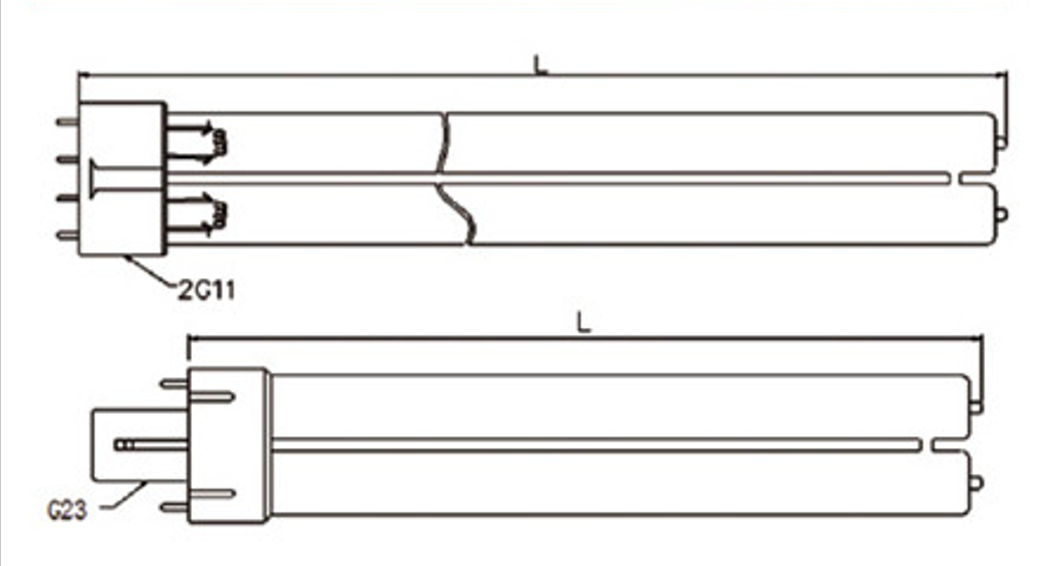
For Anatol flash-cure systems, the upgrade is plug-and-cure. The lamp, reflector, and connector are sized to the original footprint, so you avoid panel mods, PLC changes, and re-certification. The payoff is measurable: stable cure at the same line speed, repeatable adhesion on thick builds, and lower energy draw per part because the spectrum isn’t being wasted. Lamp life improves too, since you can run at lower arc current while still hitting the required dose window—slowing the output degradation curve.
What you need to watch
Installation is straightforward, but thermal management has to match the original duty cycle. If cabinet airflow is restricted, the emitter runs hotter, which shortens end-of-life and shifts spectral output. Confirm lamp orientation and reflector alignment with a radiometer reading at the substrate plane—peak irradiance and dose have to land inside the ink supplier’s cure window. This is an ozone-free design, but proper ventilation is still a must for consistent curing and operator safety.