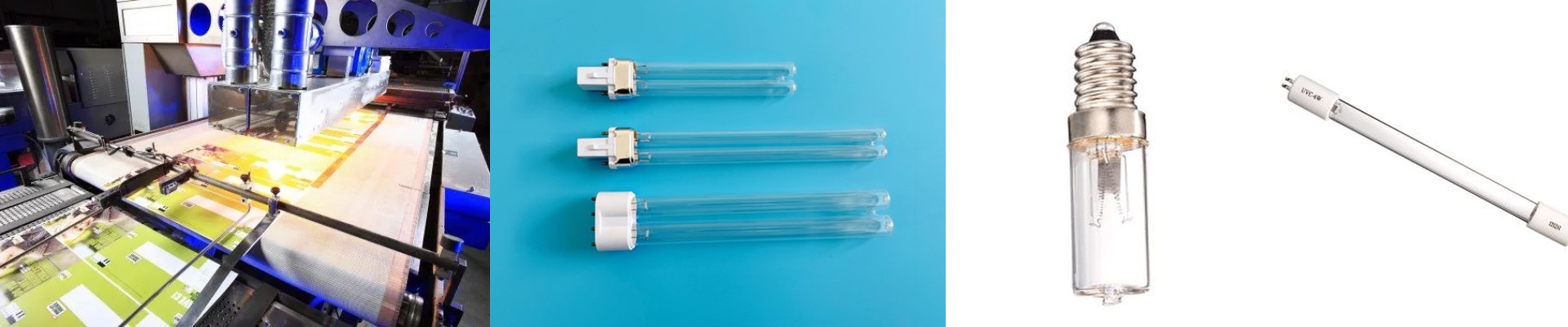
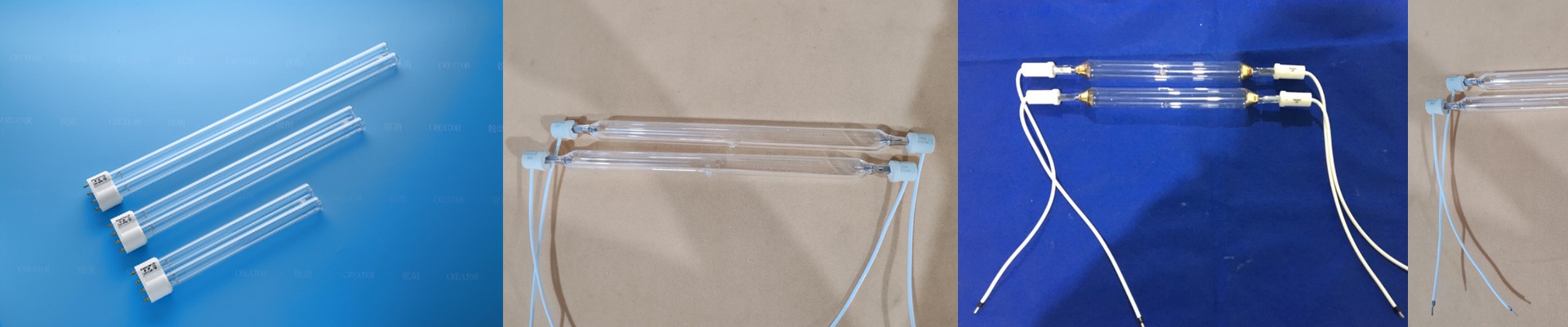
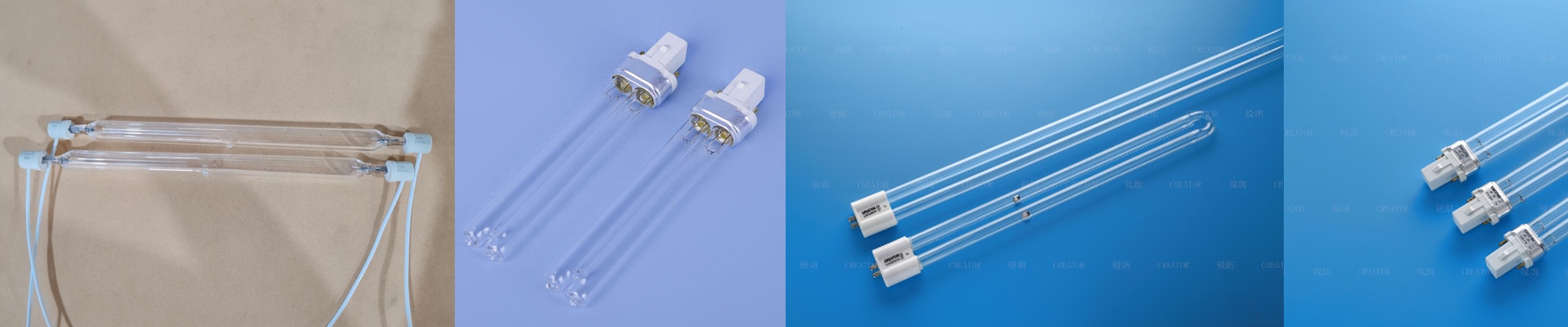
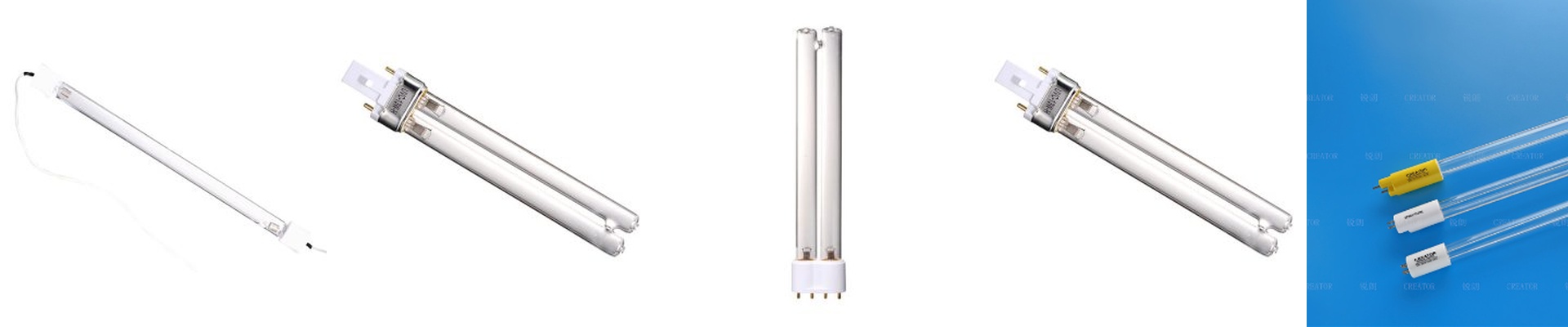
Let’s Talk About Getting Your UV Lamp Costs Under Control
Getting a mercury UV lamp to hit the right wavelength is all about a delicate balance—gas pressure on one side, quartz purity on the other. Most people buy these through a chain of distributors, and by the time the lamp reaches your floor, you’re paying for three different middleman markups. We decided to do things differently. We handle everything. From the raw quartz tubing to the final seal, it’s all done under our roof. That means you get wholesale pricing, but we aren’t cutting corners on the glass or the electrodes to get there.
The Nitty-Gritty on Output
Here is the thing: your lamp needs to actually match what your line is doing. If you’re sterilizing, you probably need low-pressure. If you’re curing industrial coatings, medium-pressure is the way to go. Just make sure your wattage and voltage play nice with your ballast. High-wattage tubes are great because they pump out more photons, but they gethot. Really hot. If your cooling fans or water jackets aren’t up to the task, that quartz is going to warp. And that’s a headache nobody wants.
Why the Materials Actually Matter
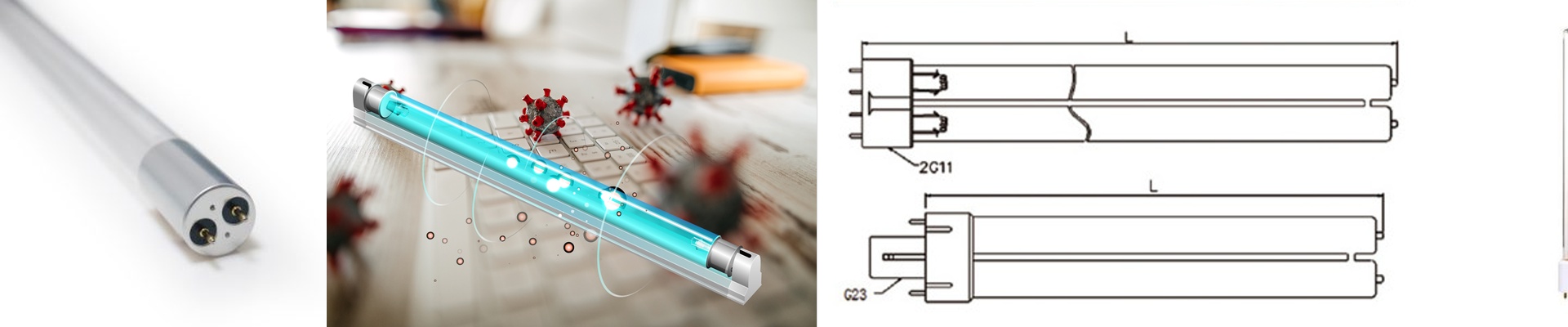
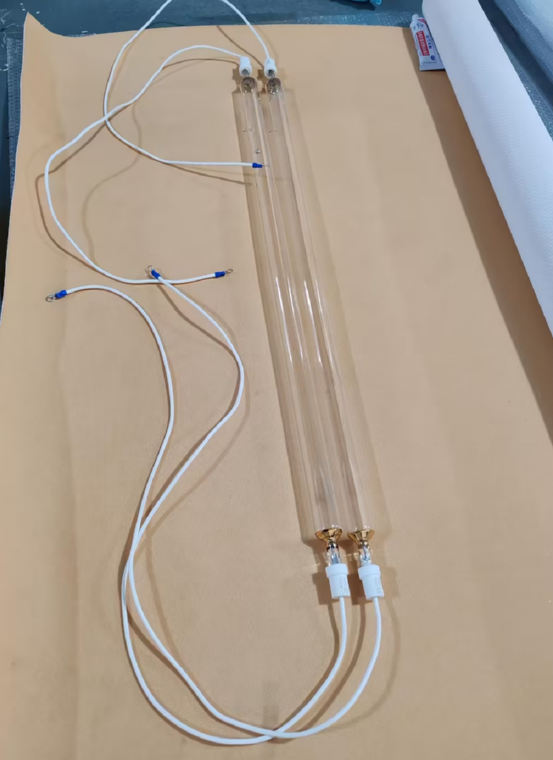
We use high-transmittance fused quartz. Why? Because cheap glass is a wall—it blocks UV-C rays and kills your throughput. It’s a waste of electricity and time. To keep the gas from leaking, we use automated fusion welding. It’s a clean, tight seal. We also offer a bunch of different end-cap options, so you can just slide these into your existing fixtures without a fight. One quick tip: if you’re wiring these into a high-speed conveyor, keep those contact points clean. If they’re loose, you’ll get arcing, and that’s a fast track to equipment failure.
The Reality of the Lifespan
Let’s be honest: no lamp lasts forever. Over time, the electrodes wear down and the gas mix shifts. You’ll start to notice the UV intensity dipping. We build our tubes to stay stable for as long as possible, but you still need to keep an eye on your hour-meter. Once the output drops below your threshold, swap them out. Because you’re buying direct from us, you don’t have to “stretch” the life of a dying lamp until your product fails quality control. You can just replace them based on the data and keep your line moving.