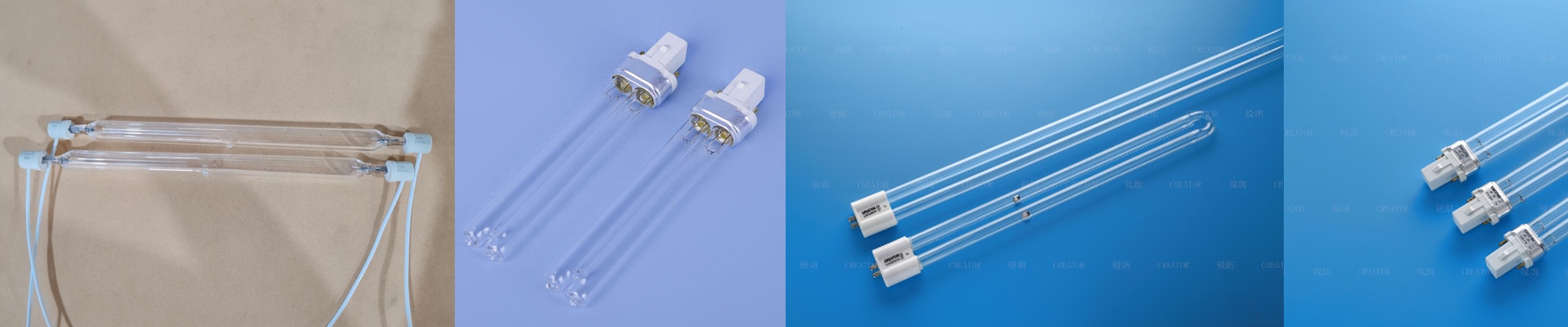
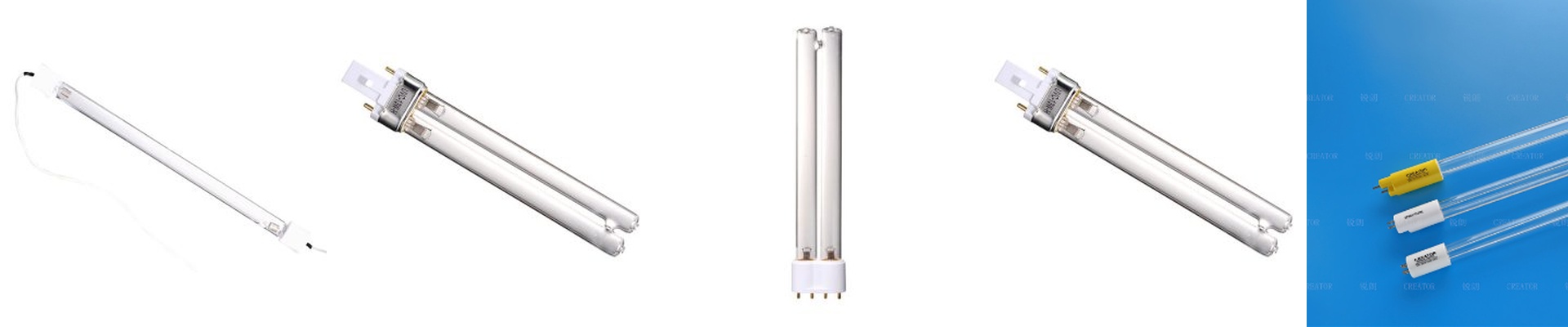
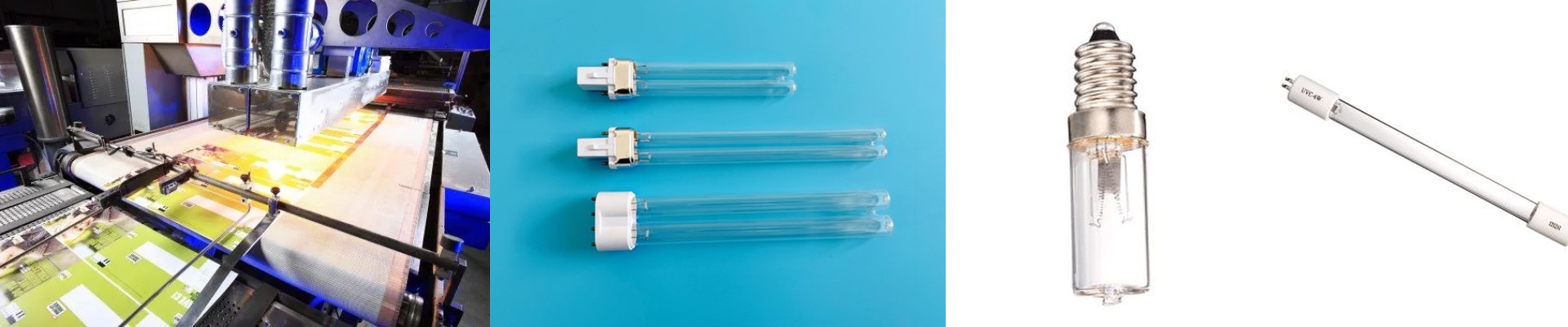
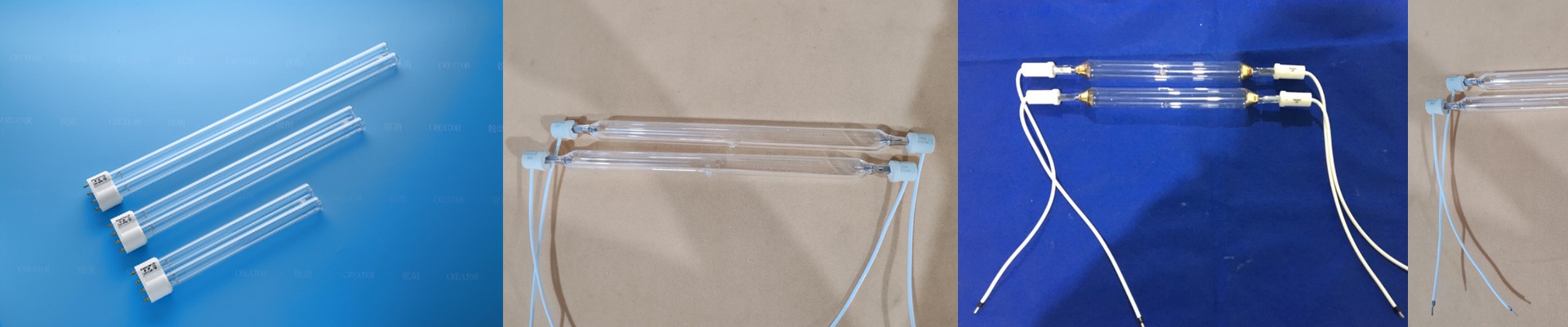
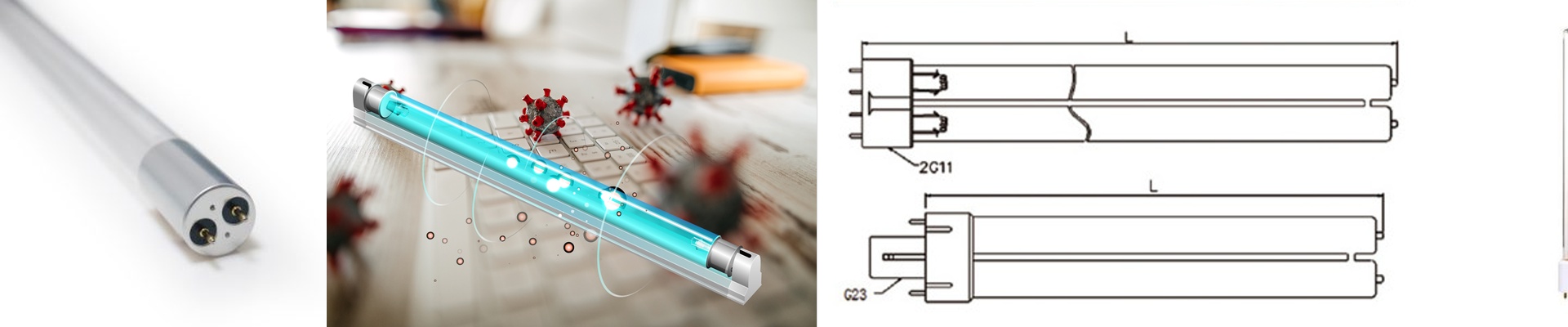
On the press floor, supply chain shocks and IP fights can stop production just as fast as a lamp going down. When your UV curing line ships overseas, leaning on non-proprietary components puts you at risk—border holds, royalty claims, even forced redesigns. We build our high-intensity mercury UV tubes on fully owned patents, so your supply chain stays defensible and your export route stays clean. What matters, technically We spec mercury vapor arc lamps with stable spectral output across the UVA bands that actually drive photoinitiators—centered on 365 nm, broadened to 385–405 nm to get the ink surface cured. Peak irradiance is engineered to hit >12 W/cm² at the focal plane, which translates to high energy density (mJ/cm²) for fast cross-linking on dense substrates. The quartz envelope is chosen for high UV transmission and thermal shock tolerance. Reflectors use dichroic coatings to shape the envelope and keep heat off the web. You can plan on 3,000–5,000 hours of stable output, with end-of-life dimming instead of an abrupt failure. Why it works in the real press room In UV offset, flexo, and screen lines, throughput comes down to consistent cure at production speeds. Our tubes deliver repeatable spectral output, so you can lock in your cure window instead of chasing lamp drift. The payoff: fewer micro-wrinkles, better adhesion, and less off-spec material. And because the design is proprietary, you avoid third-party licensing fees and reduce the risk of injunctions that can freeze shipments. Here’s what to get right on install Matching the lamp to the fixture is non-negotiable—check arc length, end cap style, and ballast compatibility before you even power up. High-intensity mercury sources need proper airflow and ozone management, so run the specified exhaust path. Push the voltage beyond the datasheet and you shorten lamp life and shift the spectrum. Plan lamp changeouts around scheduled stops, not after a failure.