Stop Letting a Burnt-Out UV Lamp Kill Your Momentum
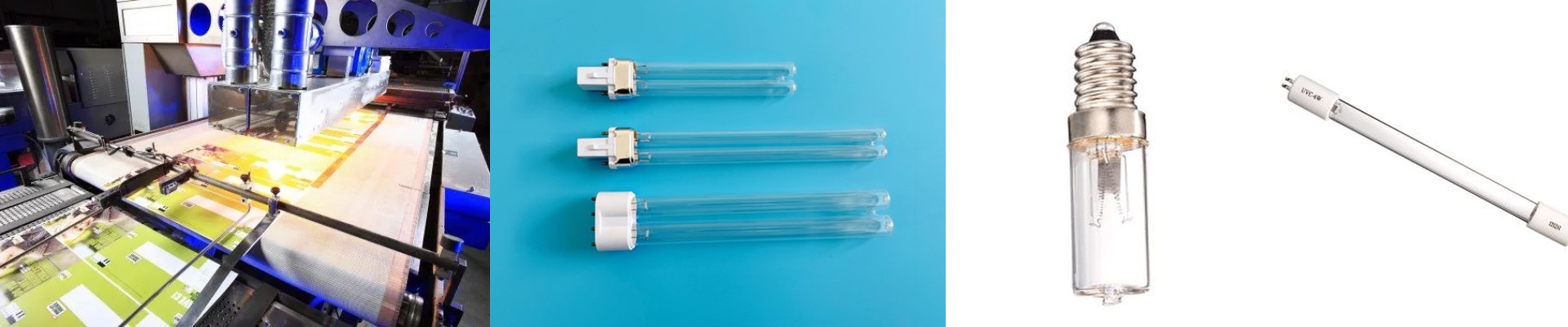
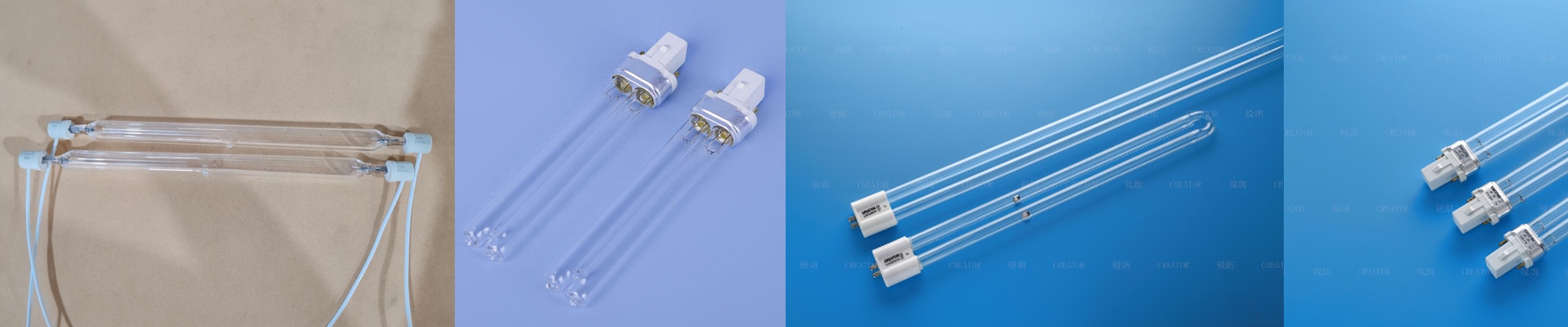
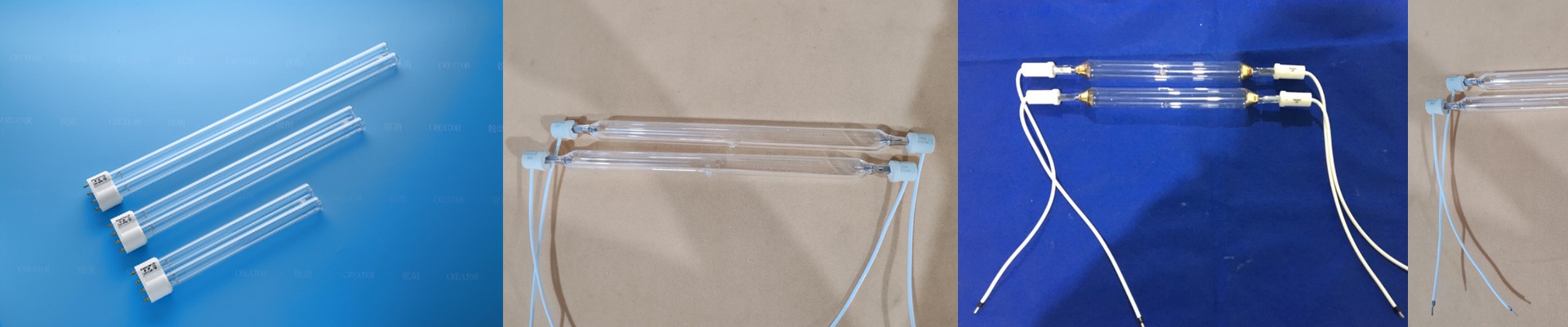
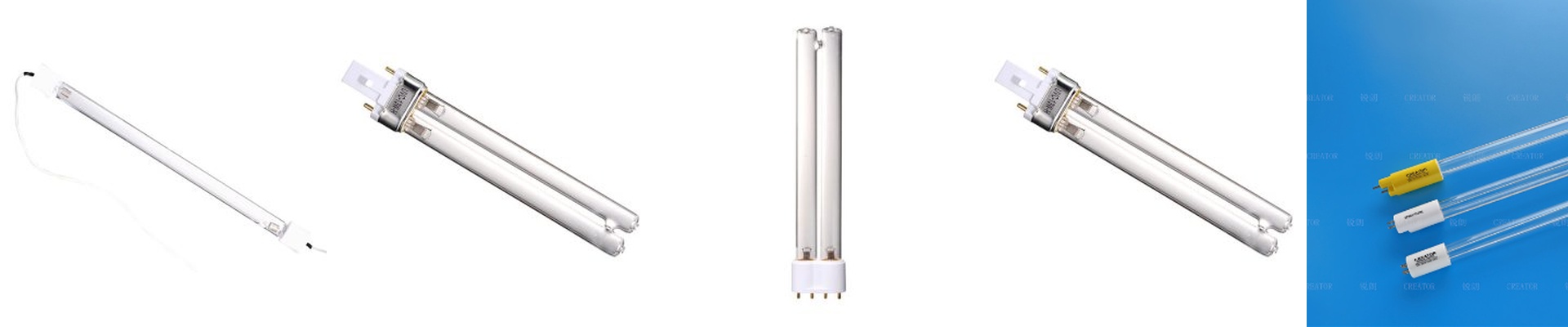
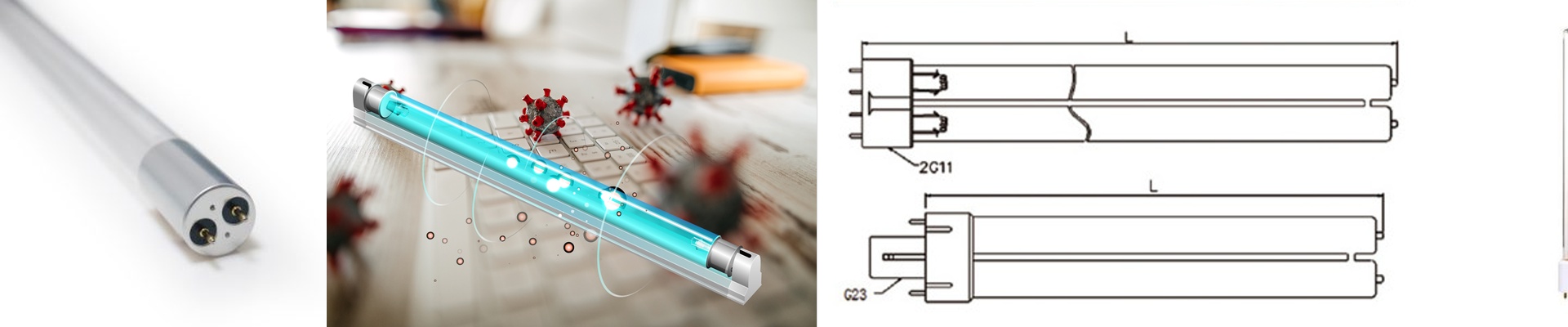
Let’s be honest: UV lamp tubes aren’t exactly the most exciting part of your day. But they are the heartbeat of your curing or sterilization line. If you’re pushing out high-volume e-commerce orders, you know the drill. One tube pops, and suddenly your entire production line is just… sitting there. It’s frustrating. That’s why we focus on quartz UV tubes that you can swap out in a flash, keeping your output steady and your stress levels low.
Getting the Power Right
Here is the thing about performance: it all comes down to how the wattage fits into the quartz envelope. If you pack more wattage into a smaller space, you get more irradiance. That means your curing happens faster. But you have to be careful with your ballast. If the voltage is too high, you’ll fry the electrodes. Too low? Your polymerization won’t finish, and you’ll end up with a sticky mess. We keep a tight inventory of these specific specs. Why? So you can just slide a new tube in and get back to work without having to rewire your entire rack.
Why Quartz Actually Matters
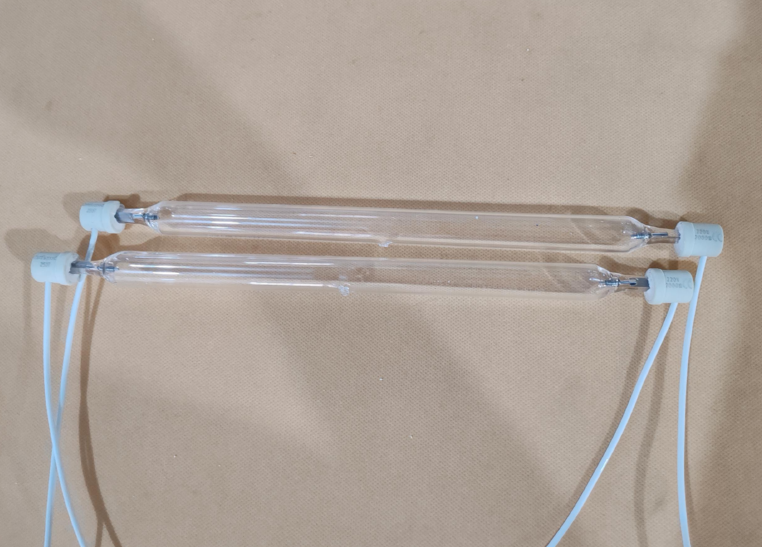
We stick with high-purity fused quartz. Standard glass is a no-go here—it would block the UV rays and probably melt under the heat. High-purity quartz lets those short-wave UV rays fly right through. Some of our tubes come with special coatings. These are great for shifting the wavelength or protecting the glass if you’re dealing with chemical splashes. Just a heads-up: while coatings help with specific results, they can block a tiny bit more light than a crystal-clear tube.
A Smarter Way to Stock Up
You shouldn’t have to turn your warehouse into a graveyard for spare parts. Hoarding six months of inventory is a waste of space and cash. Instead, we handle the heavy lifting. We’ve streamlined our shipping for the “hot-sellers”—the lengths and wattages most people actually use—so they’re ready to ship the moment you need them. This keeps your capital fluid and your floors clear. One last tip: make sure your cooling systems can handle the heat these high-output tubes put off. If they run too hot, they’ll burn out way sooner than they should.