Engineering Precision in UV Lamp Design
When engineers come to us for UV lamps, they aren’t just looking for a light. They need a tool they can count on, again and again. So we treat these lamps like precision instruments, not throwaway parts. Our goal is hitting a 0.5% spectral energy concentration. That kind of accuracy forces us to get serious. Every electrical and mechanical choice has to serve that level of control.
Technical Deep-Dive: Power, Voltage, and Dimensions
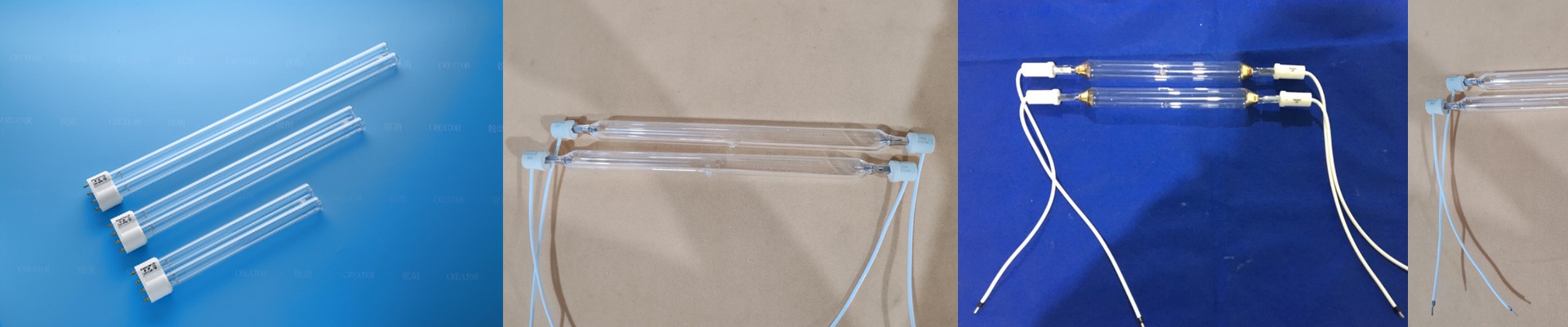
Here’s the thing about the power setup. We run these lamps on high voltage, around 400V, paired with serious wattage—often hitting 2500W. It’s not overkill. It’s just what it takes to get that quartz arc tube hot, fast. The result? Intense UV output, right when you need it. And the size? The 300mm length isn’t random. It’s a sweet spot. Enough arc length for a powerful, stable discharge, but still compact enough to slip right into the machines already out there.
Material and Connector Engineering
Inside, it’s all about a halogen-filled, high-purity quartz envelope. This stuff handles the shock of turning on and off quickly, and keeps the output steady. We also add a precise internal coating to steer the spectral output, so the energy lands exactly where your process needs it. For the connector, we chose the R7s. It’s a tough, bi-pin design that handles the high current safely. Plus, when it’s time for maintenance, you get a simple, drop-in replacement. No hassle.
Application and Operational Realities
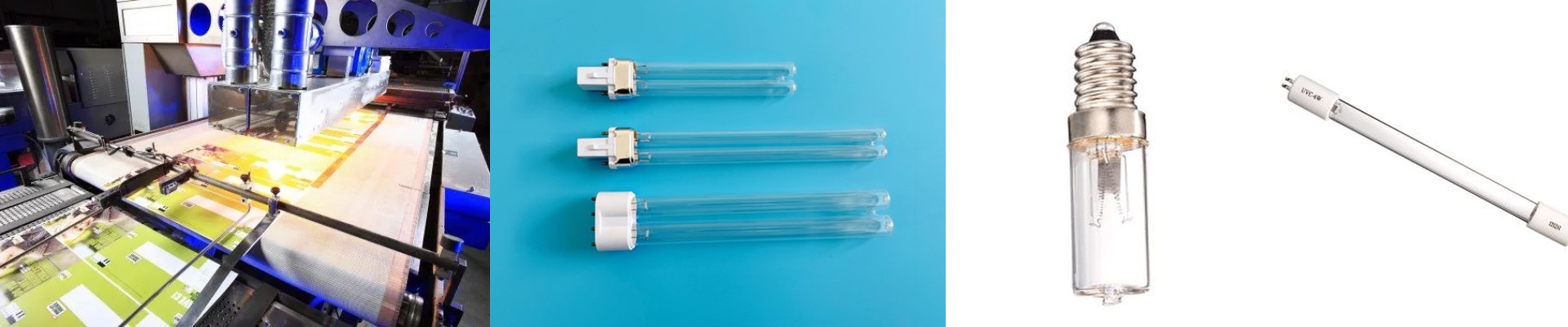
This setup was born for industrial workhorses—think PET blowing and curing lines. The high heat density means rapid, even heating, which helps cut down cycle times. But with that kind of power comes a trade-off. A 2500W output throws off a lot of heat. So your cooling system needs to be up to the task. We build these lamps to take a beating on the line. Just make sure you manage the heat, so the whole system keeps running reliably.