15 Years of Trial and Error: How We Actually Built Our UV Curing System
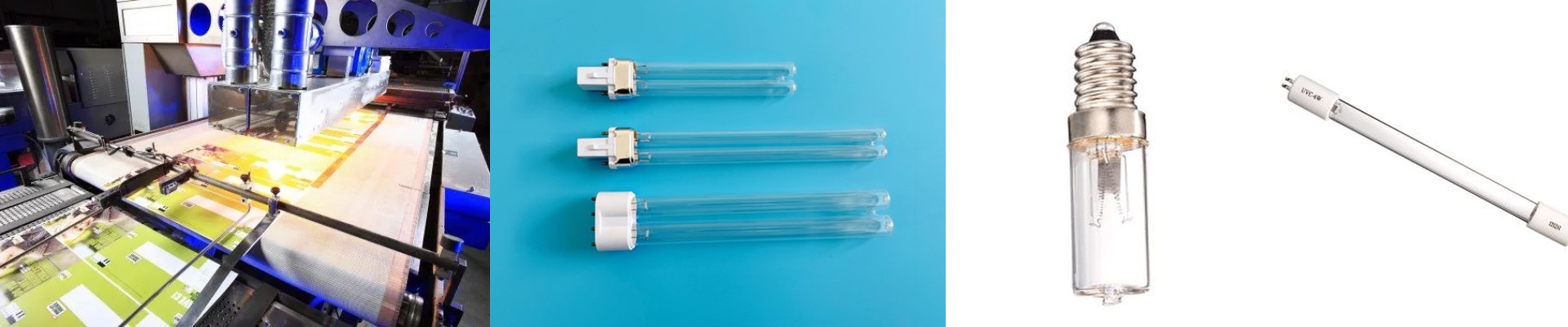
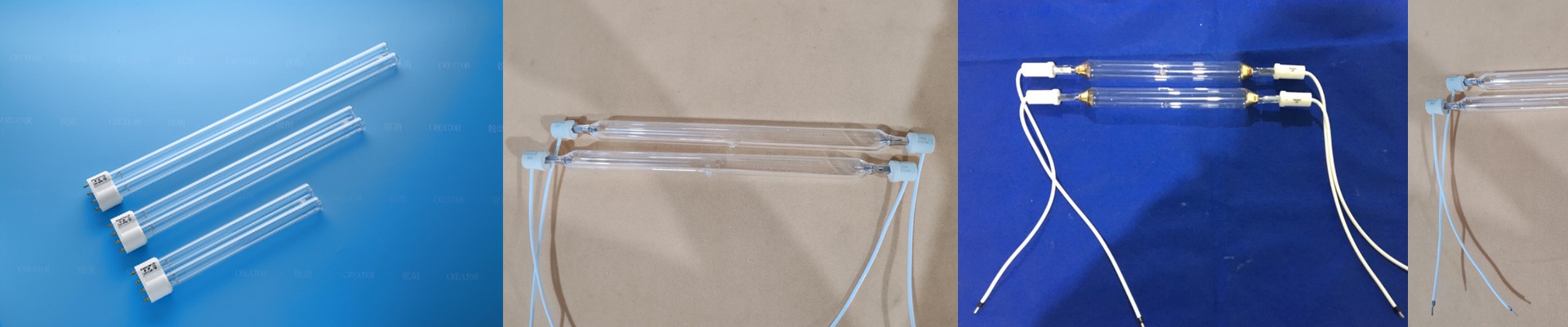
For a long time, we just did the OEM thing—white-labeling other people’s gear. But after 15 years, we realized something. Most UV lamps on the market just aren’t built for the chaos of a real factory. They can’t handle the heat or the weird power spikes that happen in a plant, and they fail. We got tired of seeing that happen, so we decided to build our own. Why we went modular Here’s the thing about most setups: they’re rigid. If you need more power, you usually have to rip out the whole conveyor line and start over. That’s a nightmare. We did it differently. Our system is basically plug-and-play. If your coating is thicker or you’re speeding up the line, you just click in another module. If you’re over-curing—which usually ends up with warped or brittle parts—you just take one out. It’s simple. Dealing with the heat We use high-purity quartz glass for our UV-C and UV-A modules because it lets the light through without soaking it up. But the real battle is the heat. Heat kills lamps. Period. To stop them from burning out, we baked forced-air cooling channels right into the housing. If a fan dies or something blocks the airflow, the temperature spikes and your UV output tanks. Just a heads-up: keep your shop temperature under 35°C. If it gets hotter than that, your bulbs won’t last nearly as long. The “Real World” side of maintenance Nobody wants their entire production line dead for four hours just because one bulb popped. It’s the worst feeling in the world. That’s why we made these easy to swap. The connectors are built to be pulled and plugged in thousands of times without wearing out. You can swap a module in under five minutes and get back to work. Look, I won’t tell you these are maintenance-free. Quartz tubes wear out. It’s just physics. But we use stabilized power supplies to keep the voltage steady. It saves the electrodes from getting hammered and makes sure the cure is the same from one side of the belt to the other.