
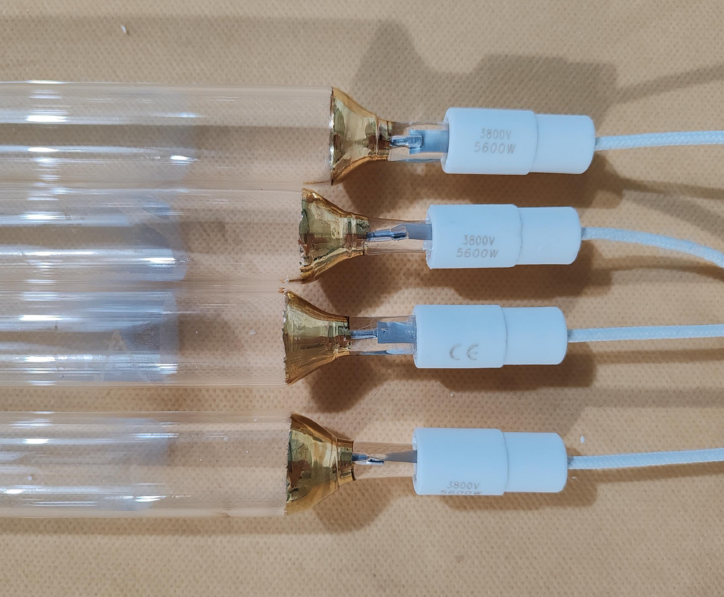
Getting the Most Out of Your Curing with Gallium Iodide Lamps
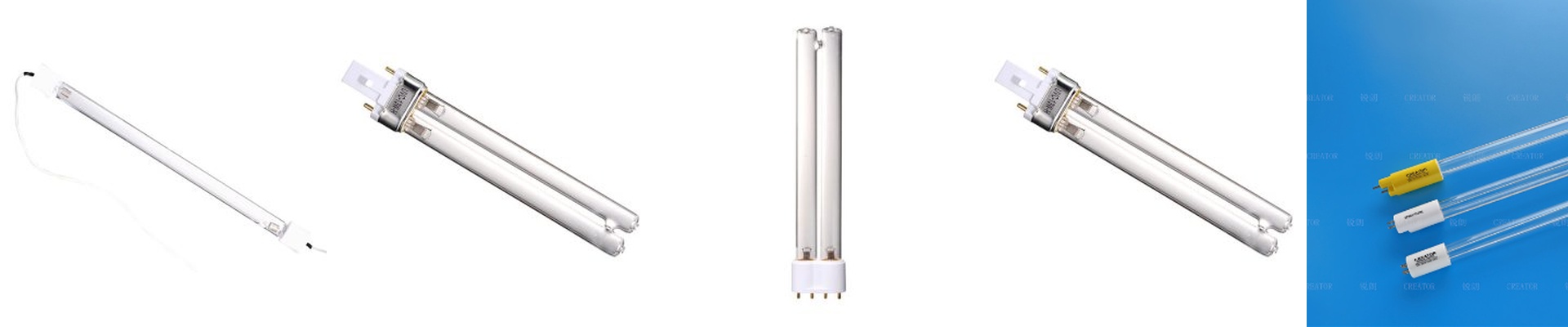
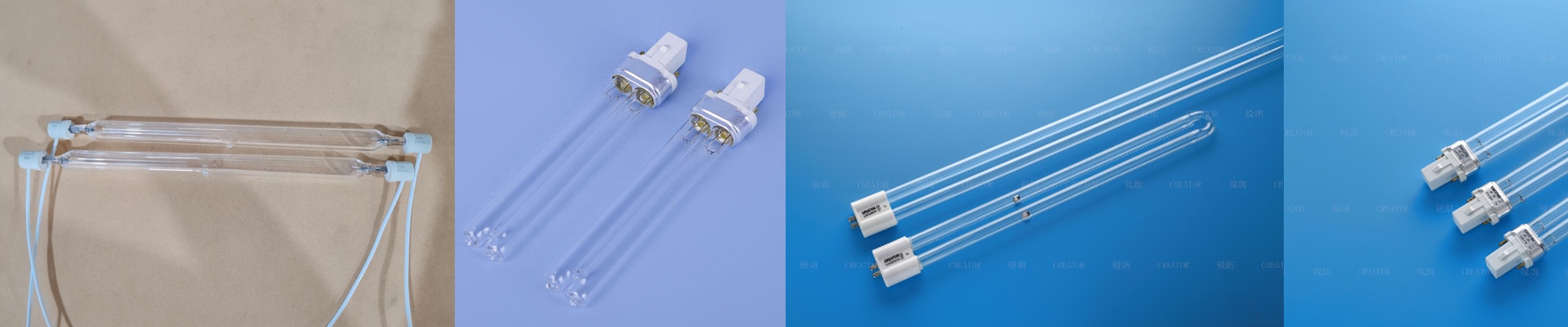
Standard mercury vapor lamps are fine for some things, but they don’t always cut it. That’s where Gallium Iodide (GaI) comes in. These lamps push the light toward the longer UV-C and UV-B wavelengths. Why does that matter? Because it lets the light sink deeper into your coatings and substrates. If you’re struggling to get a cure that actually holds, this is usually the fix.
Heat, Power, and the Nitty-Gritty
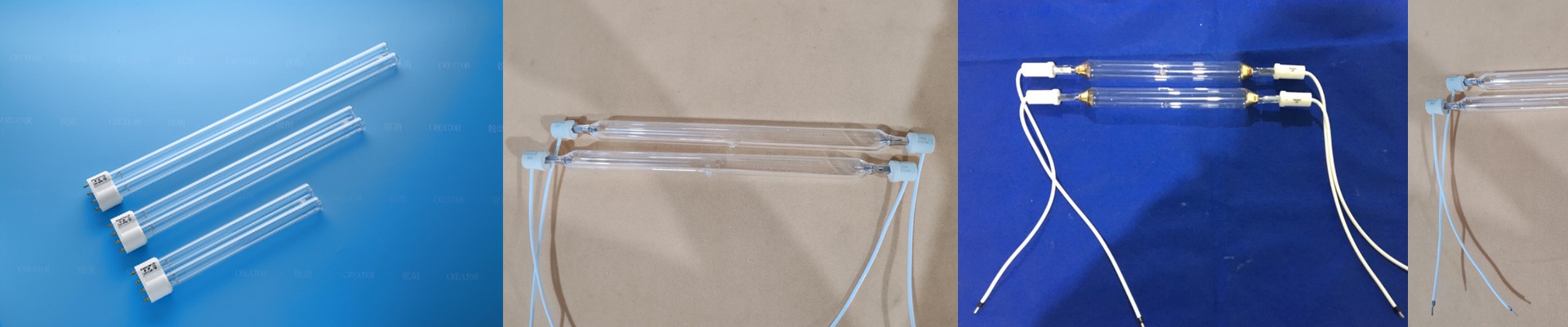
The secret sauce here is the gallium iodide dopant. It shifts the light peaks so they actually line up with your photoinitiators. But here’s the thing: these lamps run hot.Really hot. You can’t just pop these into a cheap housing and hope for the best. You need a setup that can handle the heat, or you’ll put too much stress on the quartz. We spend a lot of time dialing in the wattage and voltage. We want a steady, rock-solid arc. No flickering. Because the moment your light flickers, your cure depth becomes a guessing game, and that’s the last thing you want on a production line.
The Fit Matters
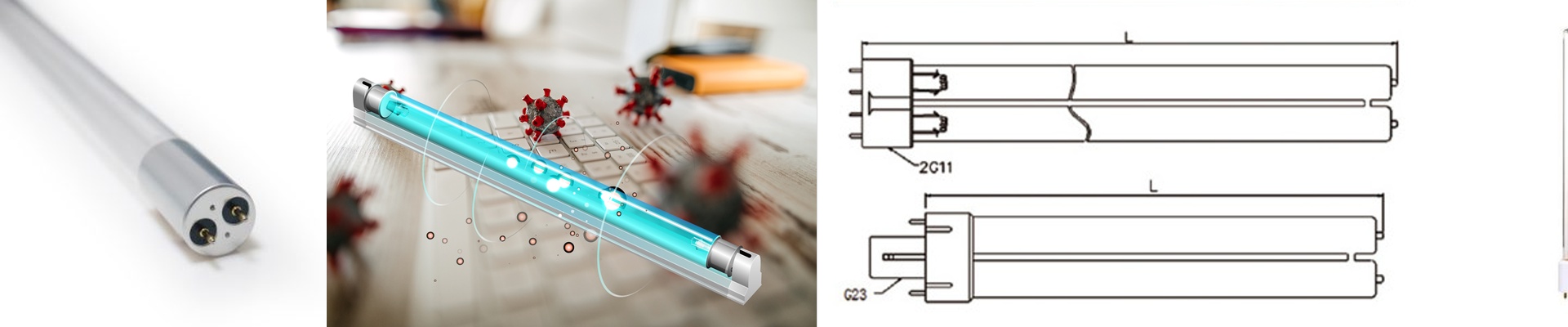
We use high-purity fused quartz to make sure as much UV light as possible actually gets out of the lamp. These aren’t generic bulbs you buy in a pack of ten. We build them to fit your specific machine. If you’re using them as a replacement, the alignment has to be spot on. Even a single millimeter of difference in length can mean the lamp doesn’t seat right in the socket, which leads to electrical arcing. Not a good look.
Scaling Up Without the Headache
E-commerce is wild. One day things are quiet, the next you’re slammed. We get that. To keep you moving, we keep a steady stock of raw quartz tubes and gallium salts. It means you don’t have to wait weeks for a custom batch just because your orders spiked. You get the precision of a custom build but with shipping speeds that actually make sense. Just a heads-up: GaI lamps wear out differently than mercury ones. Keep a close eye on your UV intensity. You’ll want to swap them out before your cure rate starts to dip, not after you’ve already got a batch of bad parts.