Why Your UV Lamps Keep Dying (And How to Fix It)
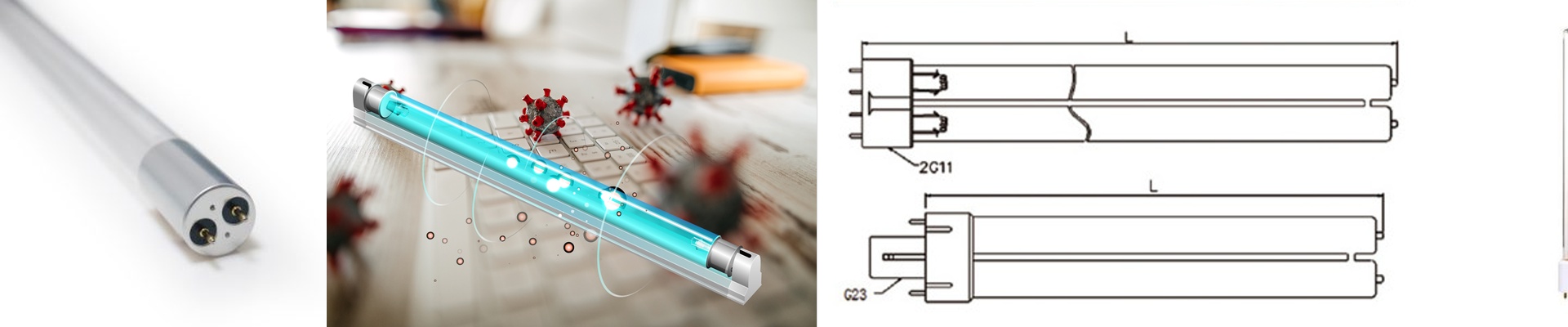
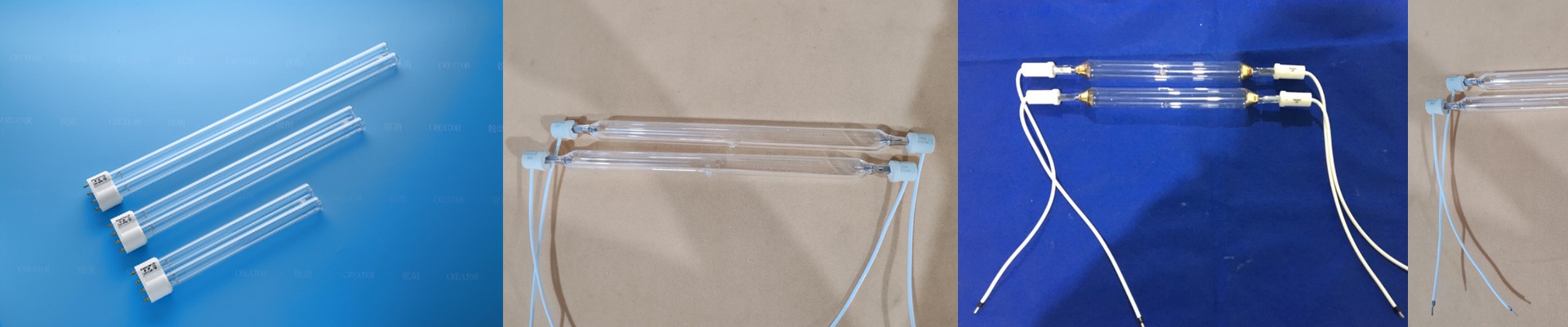
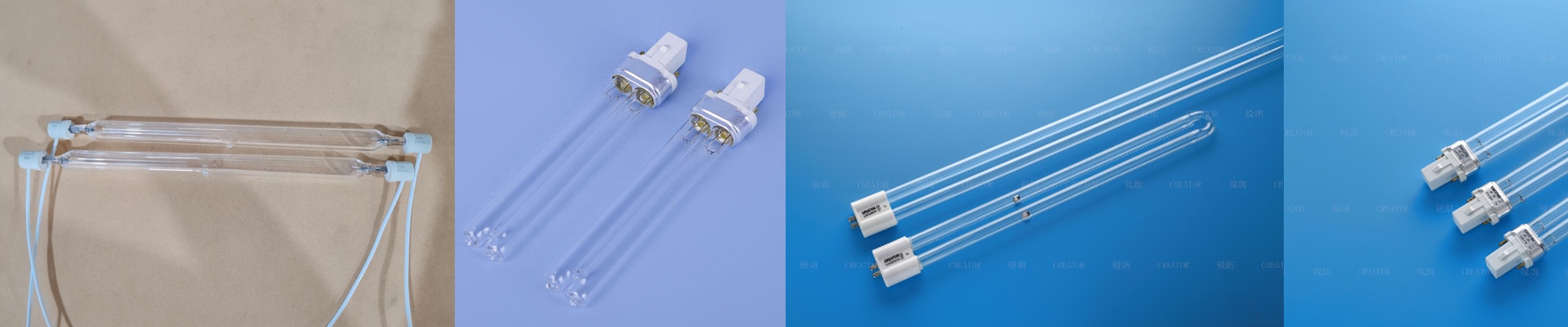
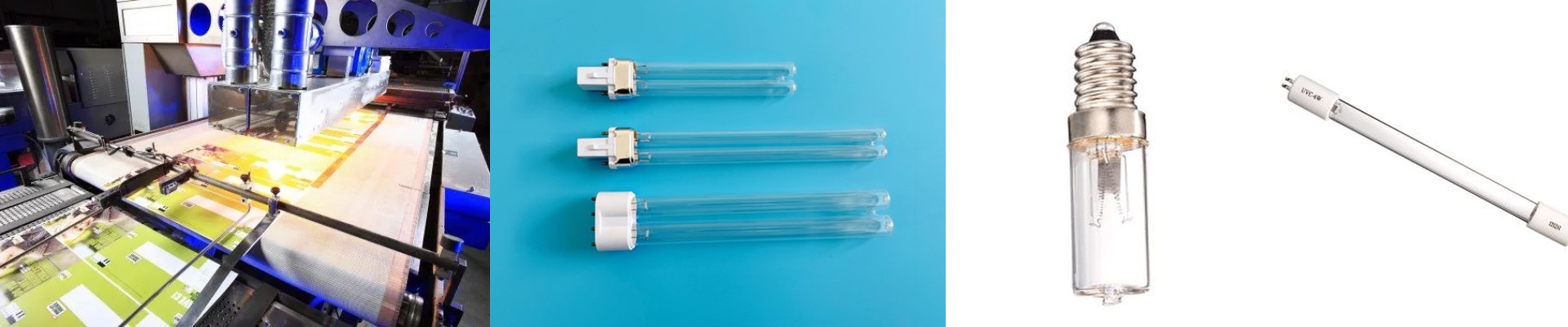
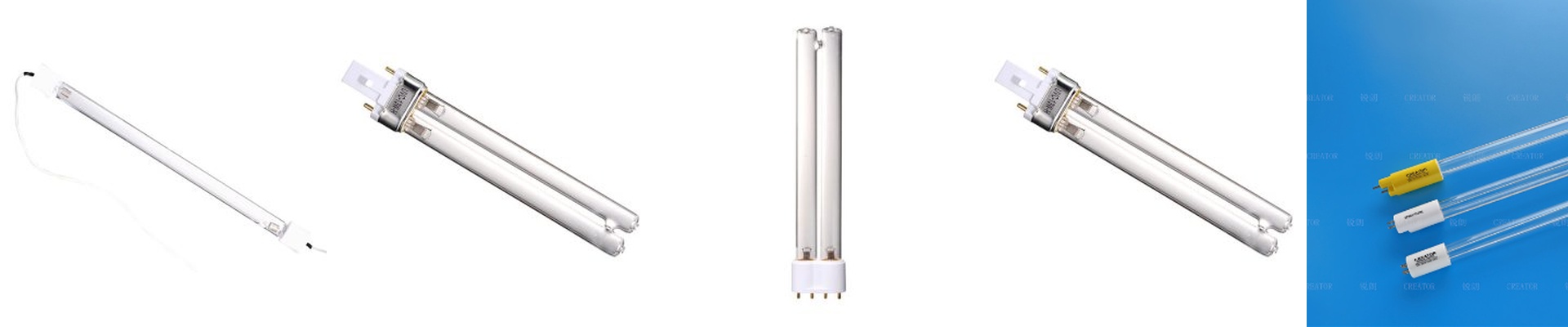
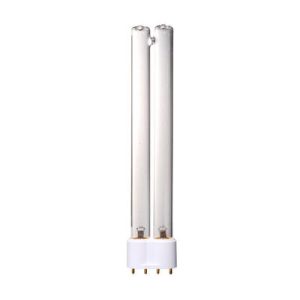
We’ve spent time auditing about 3,000 printing plants. If there’s one thing we learned, it’s that there is a massive difference between how a lamp looks on a spec sheet and how it actually behaves on a loud, hot shop floor. Most of the time, the bulb isn’t actually the problem. The real issue is usually a fight between how much heat the lamp puts out and how well the machine can cool it down. The secret is in the glass. We use high-purity fused quartz for our tubes because regular glass just blocks UV radiation. Quartz lets that short-wave light slide right through without getting trapped. This means the energy goes straight into curing your ink instead of just heating up the tube. When you use cheap quartz, the tube runs way too hot. And when it runs hot, it burns out. Simple as that. The balancing act: Power vs. Heat This is where things get tricky. Most engineers struggle to match the wattage to the conveyor speed. Sure, cranking up the wattage makes the ink cure faster. But it also dumps a ton of infrared heat onto your material. We design our tubes to find a middle ground. You get the speed you need, but you’ve got to make sure your cooling fans or water jackets can actually keep up. If your cooling is too weak, your substrate is going to warp. Not a great look. Built for the real world We don’t want you spending your weekend rewiring a ballast. That’s why we make our replacements “drop-in.” They fit right into your existing housings so you can swap them out and get back to work. Our wholesale tubes are built for the long haul. We focus on a stable arc discharge, which is just a fancy way of saying they don’t flicker. Flickering leads to those annoying uneven curing patterns across the print. It really comes down to a simple trade: spend a little more on the quartz quality upfront, and you won’t be replacing bulbs every few weeks.