Keeping Your Fabrics Clean Without the Chemicals
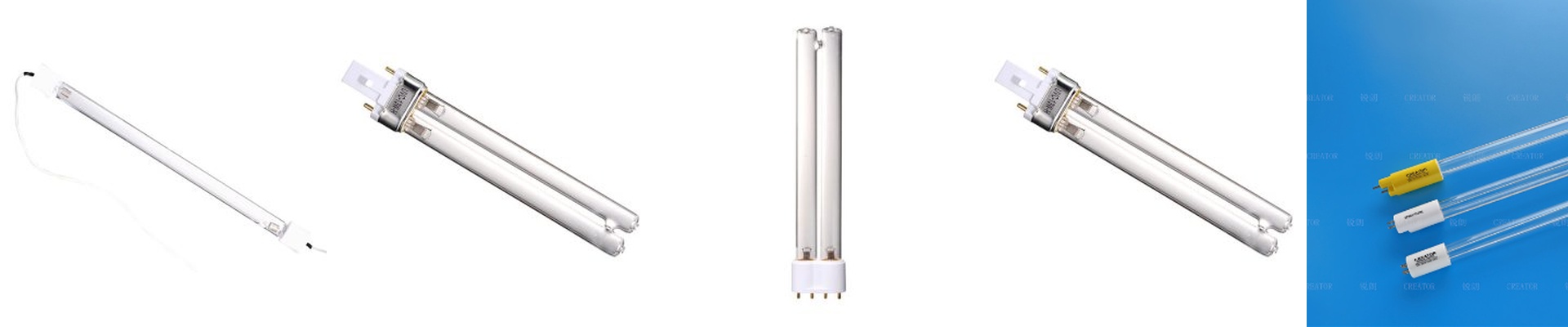
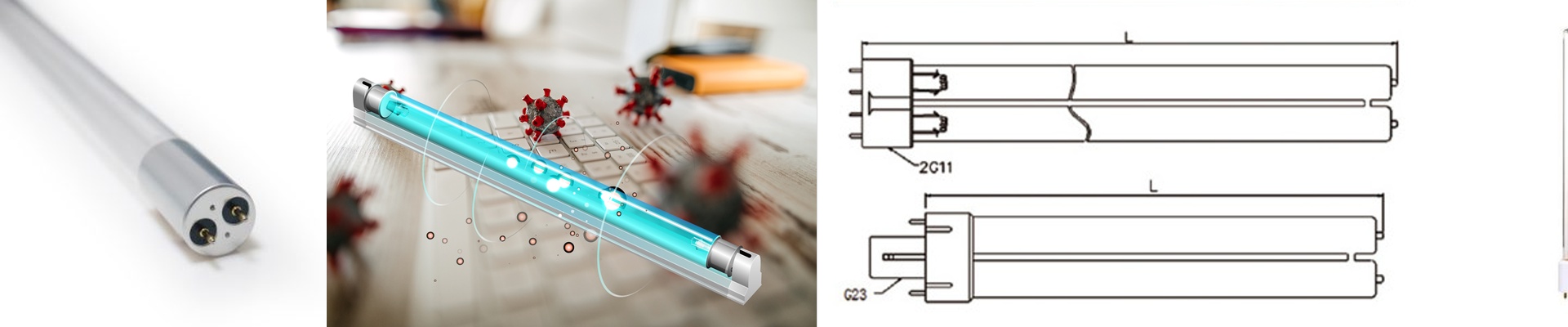
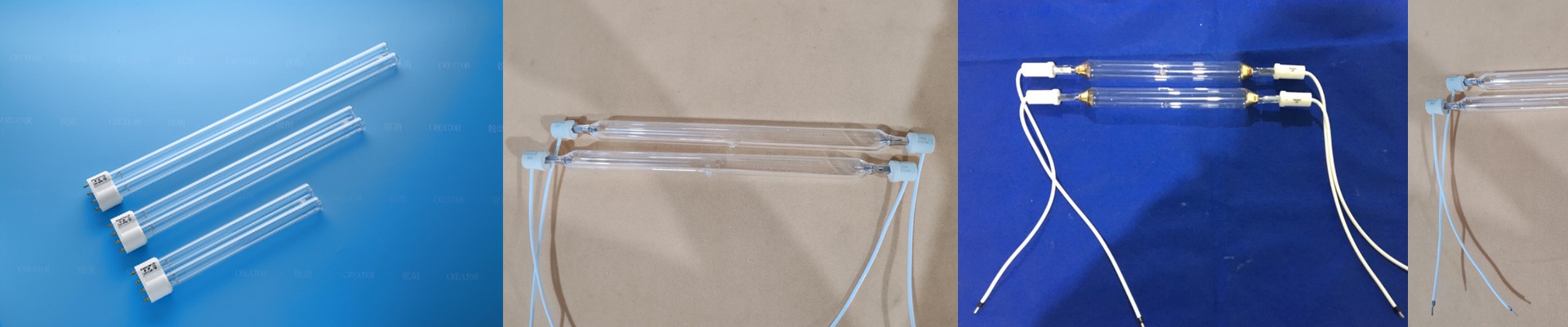
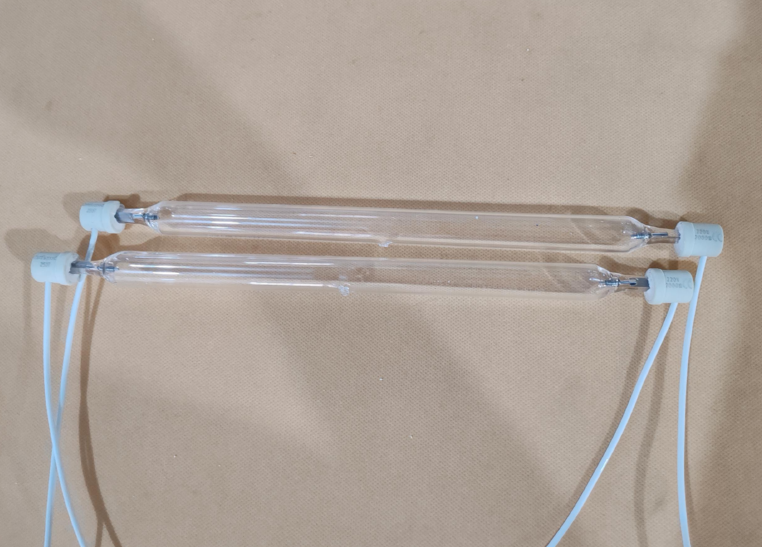
Textile work is about way more than just looms and dyes. If you’ve been in the game, you know the nightmare of a ruined batch of fabric because some random mold or bacteria decided to move in. It’s a disaster. That’s why we use UV germicidal lamps. They kill the bad stuff—bacteria and fungi—without dumping a bunch of harsh chemicals onto your materials.
How the magic actually works
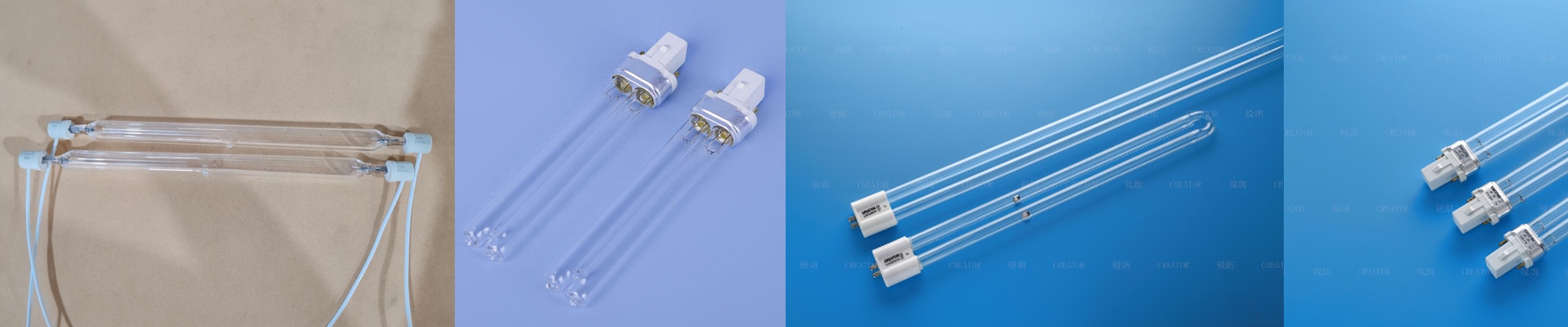
These lamps hit a very specific sweet spot: the 253.7nm wavelength. Basically, it reaches inside the microorganisms and snaps their DNA and RNA. Once that happens, they’re done. Lately, we’ve been focusing on energy-saving designs. Now, don’t let the “lower wattage” part fool you. We aren’t sacrificing power. We’ve just tweaked the gas mix and the electrodes to squeeze more light out of every single watt. It’s just smarter engineering.
Where these lamps actually live
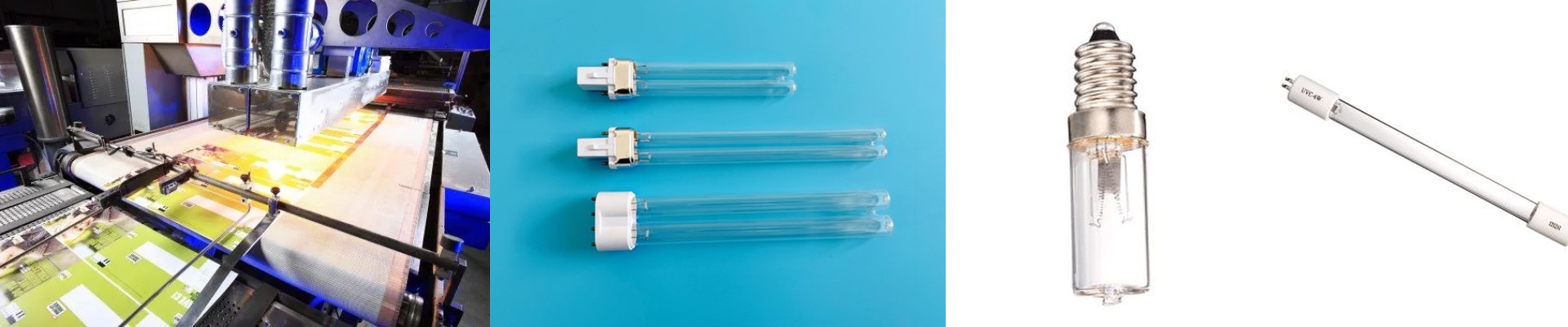
You’ll usually find them in three spots. First, in raw material storage. This keeps mold from eating your stock before you even start. Then, there’s the water treatment for dyeing. Finally, we put them at the very end, right before packaging. The dyeing phase is where it gets interesting. We wire the lamps directly into the water loop. Why? Because bio-films love to grow inside pipes. When your pipes get gunky, your colors start looking off. UV stops that sludge from forming, so your colors stay crisp and consistent.
The trade-offs (because nothing is perfect)
Here is the thing: energy-saving lamps are great for the electric bill, but you have to keep an eye on the intensity. If you drop the power too low, you can’t just run the conveyor belt at full speed. You’ll have to slow it down to make sure the fabric gets enough UV exposure. It’s a simple trade: you save on power, but you might lose a bit of speed. And a word of caution—UV-C can be a bit aggressive with synthetic polymers. If you leave a lamp blasting the same spot for too long, the fabric can turn yellow or get brittle. The trick is to spec your exposure time based on what the material can actually handle. And obviously, we keep everything shielded. You don’t want your team getting UV light in their eyes or on their skin. Safety first.