Stop Treating UV Lamps Like Trash: A Better Way to Build Sterilization
For too long, we’ve treated UV sterilization like something disposable. You buy a lamp, it burns out, you toss it. It’s wasteful, it’s messy, and frankly, it’s a headache. We’re changing that. We want to move away from “disposable” and toward actual infrastructure—stuff that lasts. To get to zero pollution, we had to rethink everything about how these lamps are made.
The Secret is in the Glass
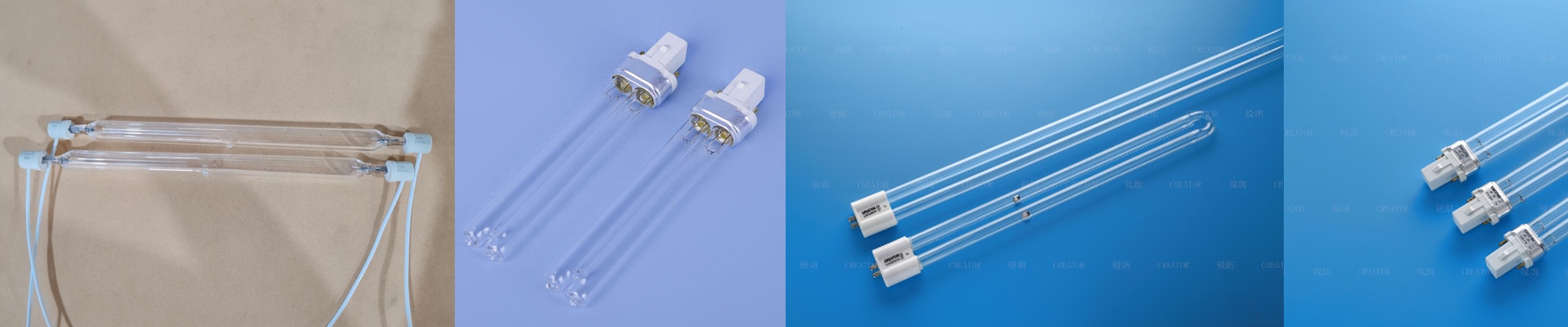
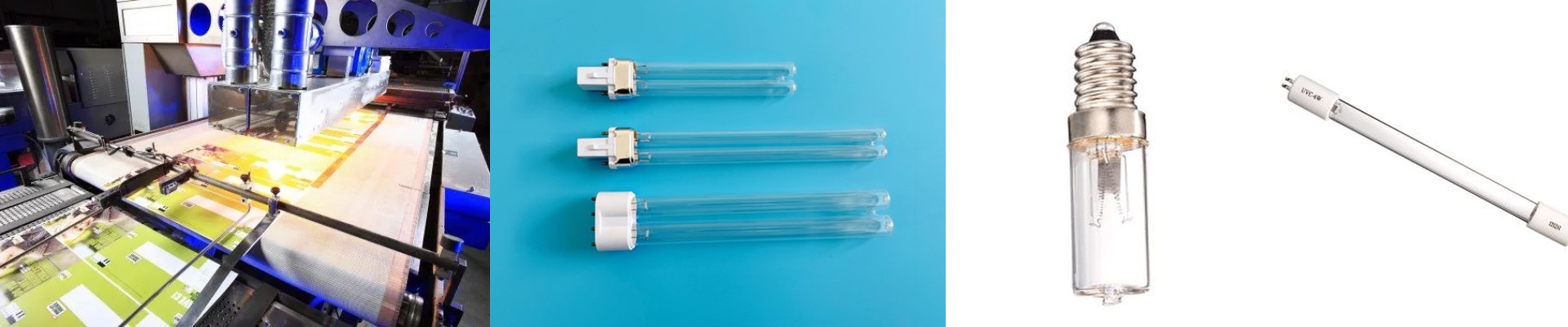
Here is the thing about UV lamps: the glass usually gives up before the light does. You’ve probably seen it happen. The tube starts to look cloudy or “milky.” That’s solarization. Once that happens, your UV-C output tanks, and the lamp is basically a paperweight. To fix this, we switched to high-purity synthetic quartz. It stays clear. It lets the light through. And most importantly, it means you aren’t spending your weekends swapping out tubes every few months. Plus, we stripped out all those nasty toxic fillers you find in the old-school lamps. It makes them safer to hold and way easier to recycle when they finally hit the end of the road.
Building for the Long Haul
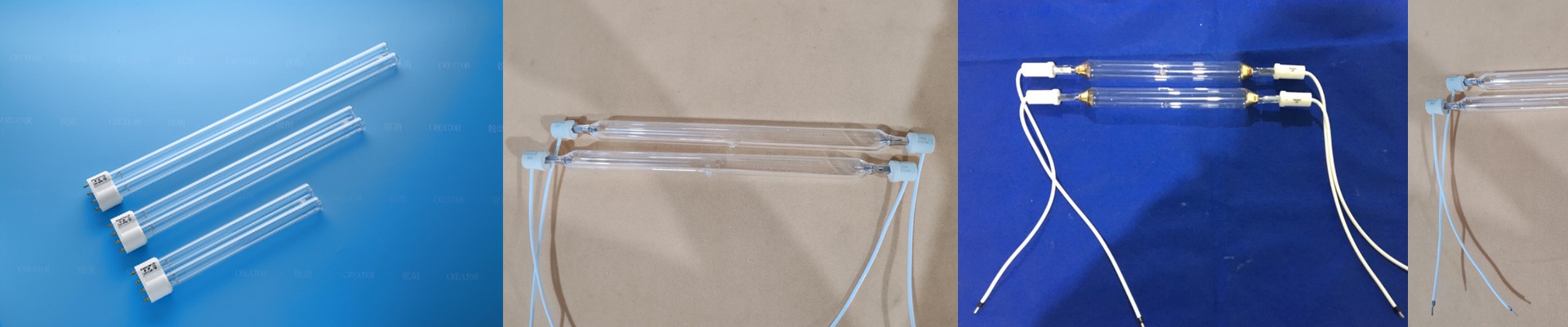
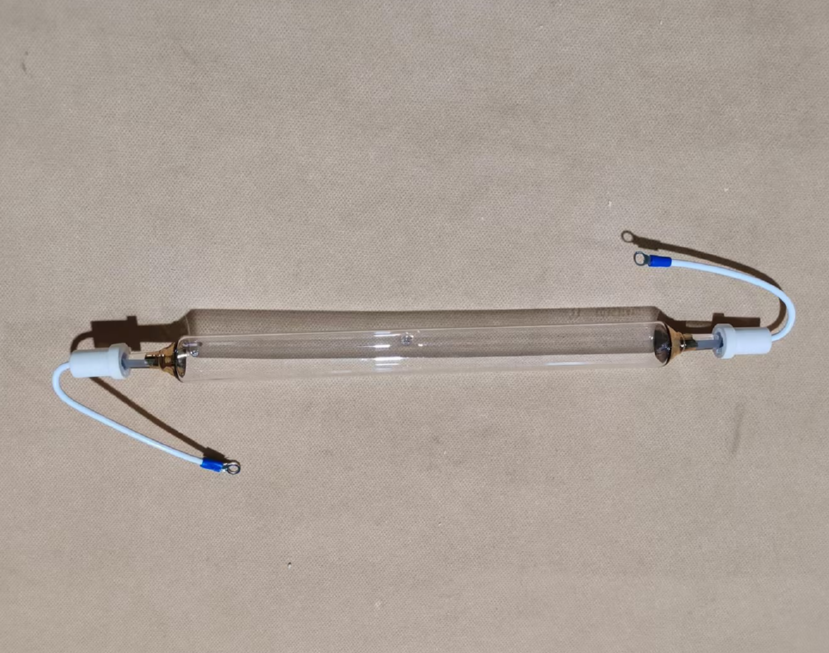
Making a lamp last isn’t about one magic trick. It’s about heat. If the seal between the electrode and the glass isn’t perfect, gas leaks out. When that happens, the arc dies, and your lamp is dead. Simple as that. We spent a lot of time reinforcing that seal so the internal atmosphere stays locked in tight. And we stopped the “overclocking” habit. Some people think running a lamp at 110% capacity is a win because it looks brighter at first. But it’s a trap. It shreds the electrodes. We tuned our drivers to keep everything at a steady, healthy state. It’s a marathon, not a sprint.
Getting it Into Your Line
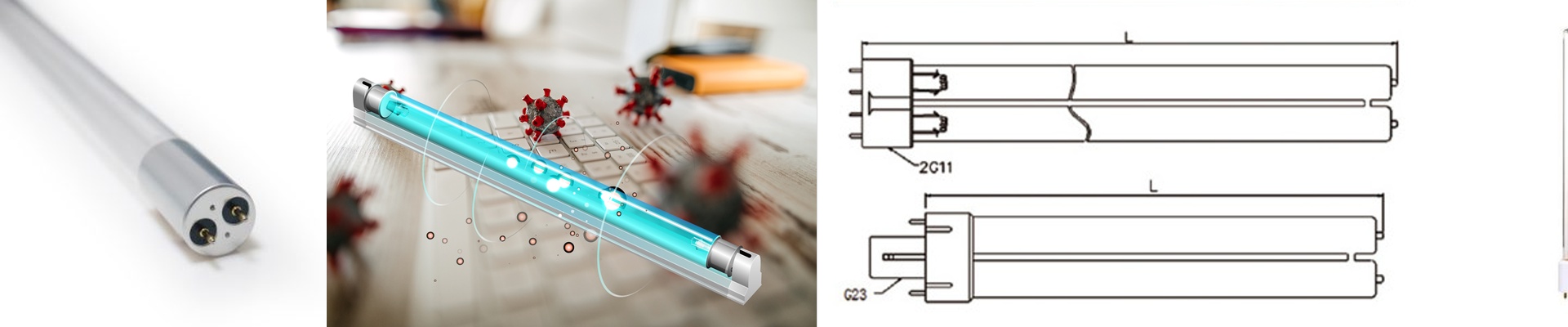
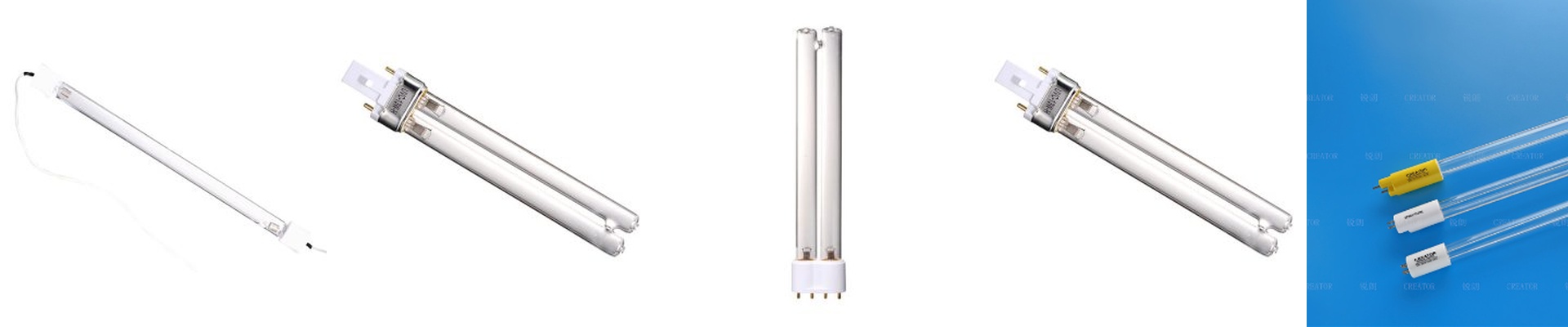
If you’re looking to upgrade, these are designed to just slide right into your existing setup. But a quick heads-up: since these are more efficient, the way they handle heat is different. If you’re switching over from those old mercury vapor units, just take a peek at your ventilation. You’ll actually have less wasted heat to deal with, which is great. Just make sure your airflow is clean. Dust is the enemy here—if it settles on the quartz, it blocks the light, and you’re right back where you started.