
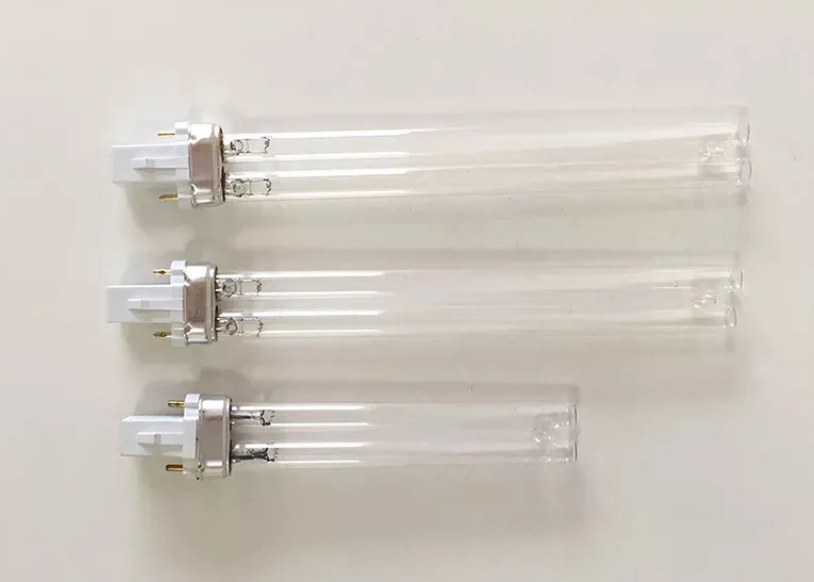
Getting Your UV Energy Exactly Where It Needs To Be
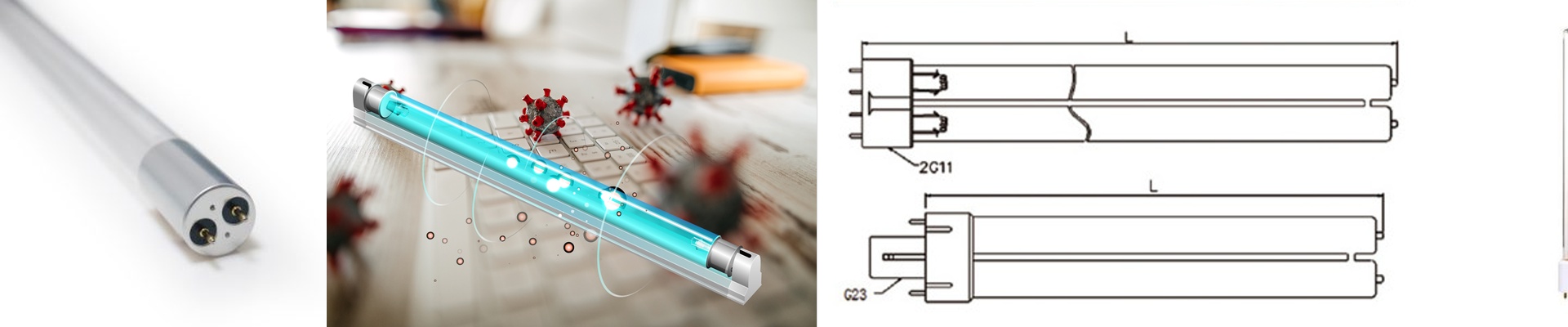
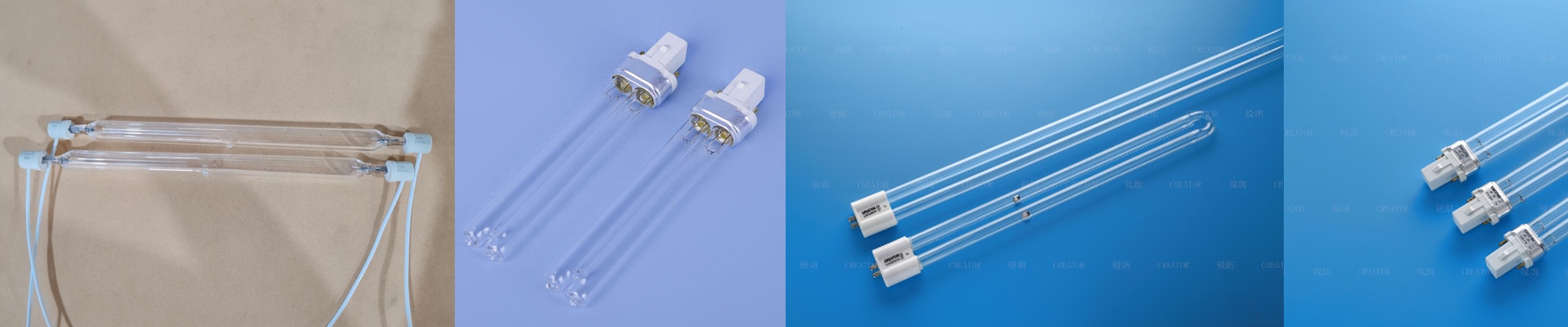
Most UV lamps are kind of messy. They spray energy across a wide band, which means a lot of that power is just… wasted. If you’re doing high-precision sterilization or industrial curing, you don’t want a “spray.” You want a laser-focus. We spent a lot of time in the lab trying to narrow that output down to a 0.5% concentration. Why bother? Because it means more photons are actually hitting the target—breaking that specific chemical bond or killing that specific pathogen—instead of just heating up your conveyor belt or scorching your product.
The nitty-gritty of how we did it
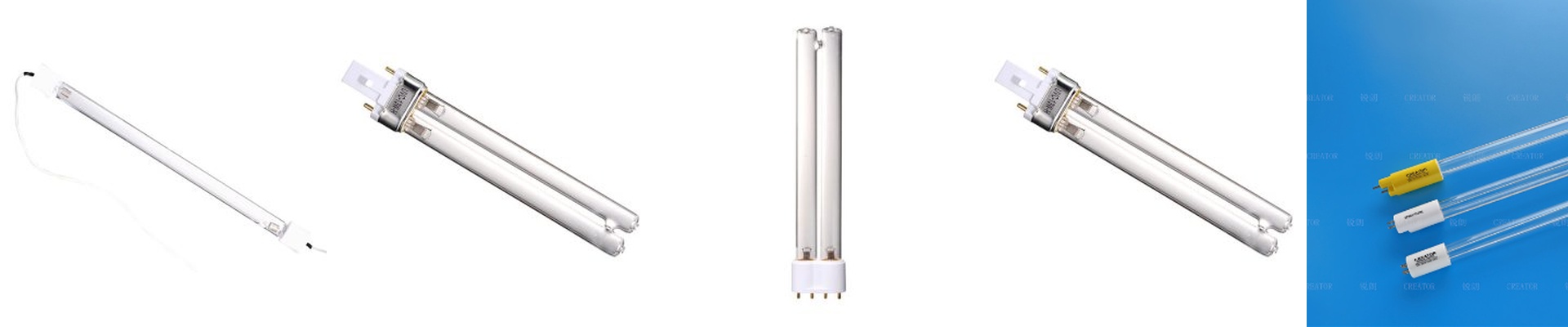
To get that 0.5% mark, we couldn’t just tweak a few settings. We had to rip things apart and start over with the gas mixture and the shape of the electrodes. We also switched to high-purity quartz tubing. Here’s the thing: if the quartz has even a few impurities, it basically “eats” the shortwave UV before the light even leaves the lamp. We also fixed the arc discharge stability. Now, the light doesn’t drift or shift as the lamp warms up. It stays locked in.
The trade-off (because there’s always one)
When you squeeze energy that tightly, things get hot. Really hot. The intensity is incredible, but it puts a lot of stress on the electrodes. To stop them from burning out too fast, we reinforced the filaments. Just a heads-up: these lamps run hotter than the standard wide-band tubes you’re used to. You’ll need to make sure your cooling fans and heat sinks can handle the extra heat, otherwise, you’re going to kill the lifespan of the lamp.
Putting them to work
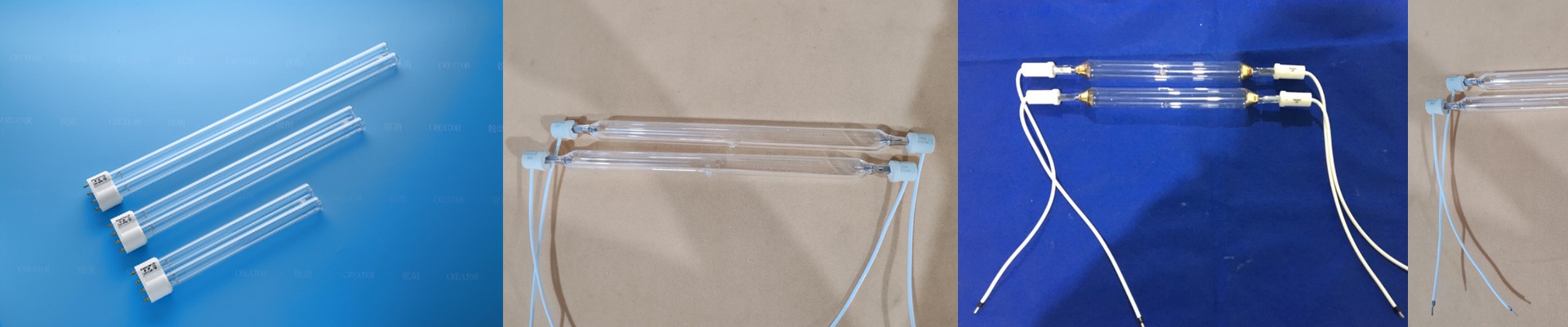
The best part? These are designed to just slide right into your existing curing lines. Whether you’re running a PET blowing line or a medical sterilization chamber, the goal is simple: get more UV-C output for every watt you pay for. Because the spectrum is so tight, you don’t need as much exposure time. That gives you a choice. You can either crank up the speed of your production line or dial back the power to save on your electric bill. It all comes down to matching that spectral peak to whatever you’re trying to kill or cure.