How Mercury UV Curing Actually Works
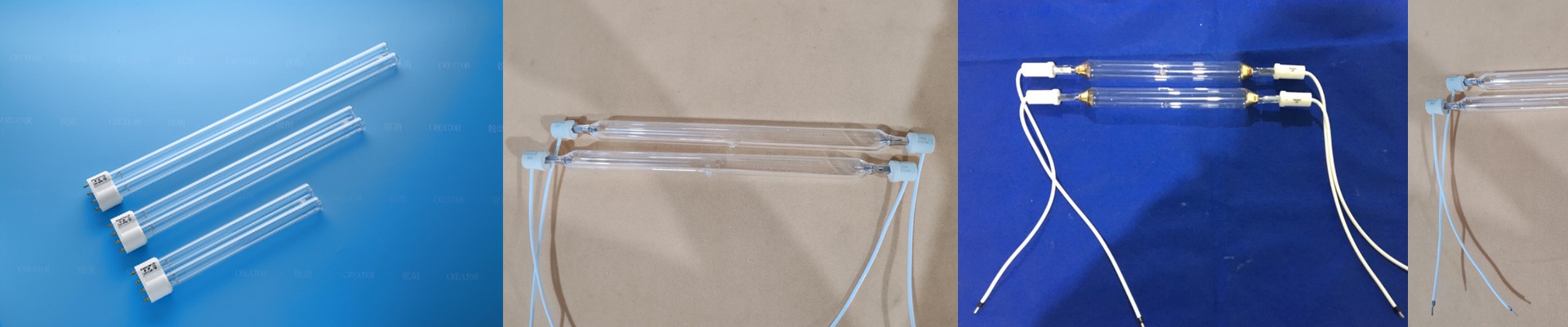
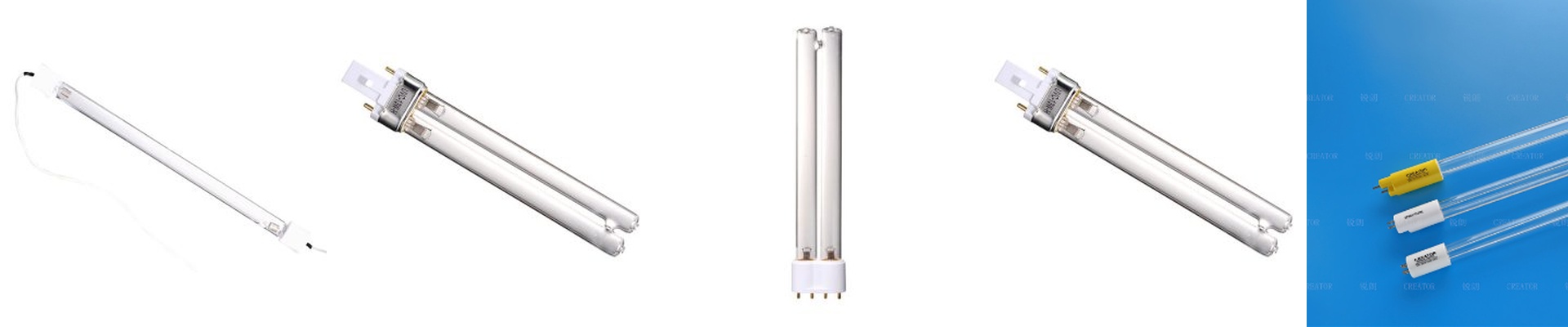
Think of our industrial mercury bulbs as more than just lights. They’re basically chemical reactors. The goal is simple: hit liquid inks or coatings with a specific kind of light so they turn into solid films in a fraction of a second. To make that happen, we lean on two specific wavelengths—254nm and 365nm. Those are the “magic numbers” that break the molecular bonds in your photoinitiator and get the curing process moving.
The Balancing Act: Power vs. Heat
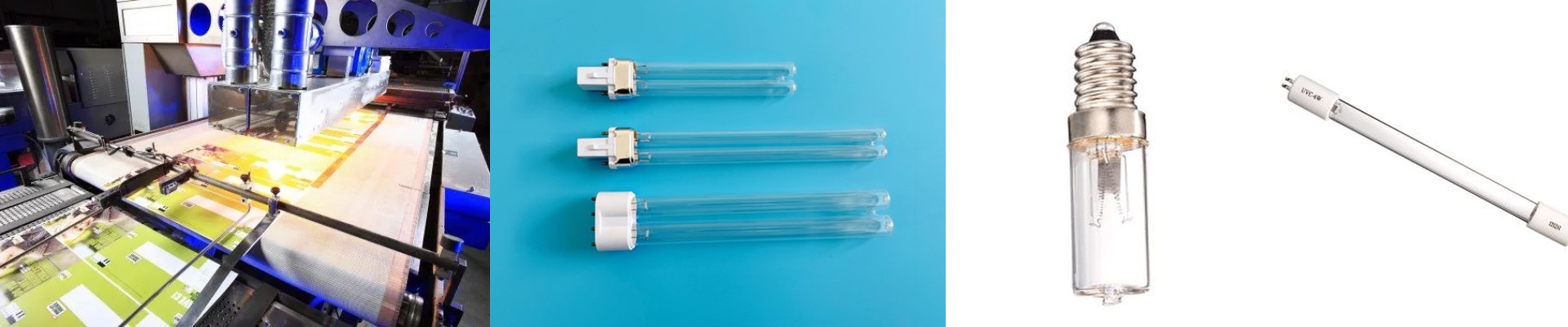
When you’re picking out a high-wattage bulb, you’re playing a bit of a game. On one hand, more wattage means more UV photons. That’s great because it means you can crank up the speed of your conveyor line and get more product out the door. But there’s a catch. These bulbs gethot. Like, really hot. If your cooling system can’t keep up with that heat, you’re asking for trouble. You might end up scorching your materials or, worse, frying the electrodes and killing the lamp way sooner than it should die.
What’s Inside the Glass?
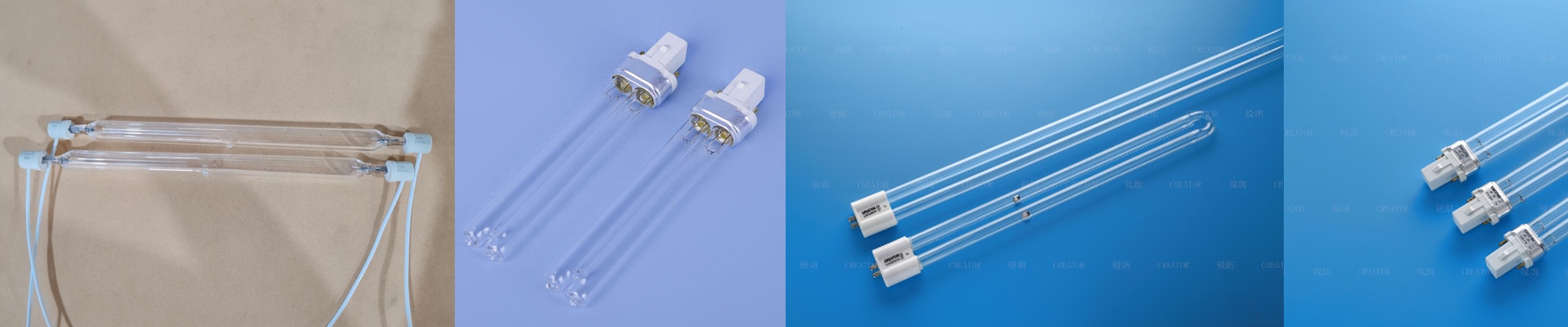
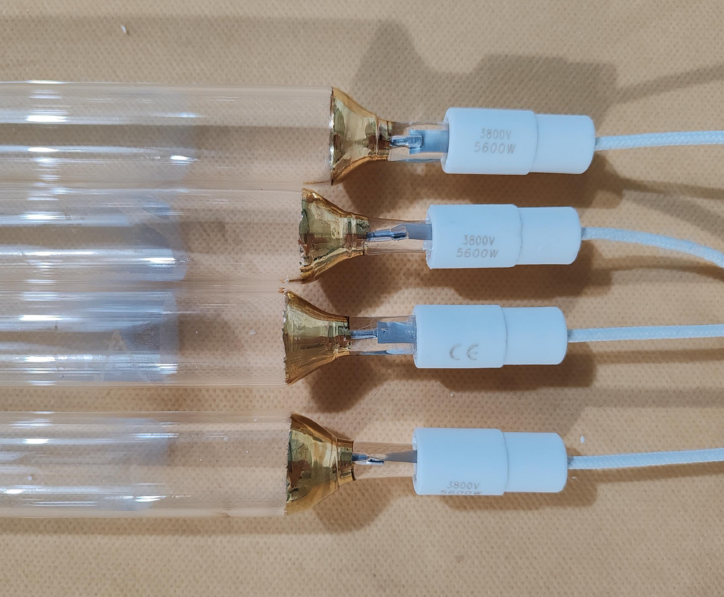
We don’t use regular glass for the envelope—that would just block the shortwave UV we need. Instead, we use high-purity fused quartz. Inside, we carefully calibrate the mercury vapor pressure to fit the size of the bulb. This keeps the arc stable. We also obsess over the end-cap seals. If those leak even a little bit, the gas escapes and the bulb burns out prematurely. It’s a small detail, but it’s the difference between a lamp that lasts and one that fails.
Getting It Into Your Line
If you’re buying in bulk, you probably just want something that works without a headache. We focus on drop-in replacements. Whether you’ve got a wide-format offset press or a specialized coating line, the electrical footprint needs to be a perfect match. If your voltage or amperage is off, you risk overloading your ballasts. Plus, we make sure the bulbs in your bulk order have the same spectral output. Why? Because if they don’t match, you’ll see “striping” or uneven curing across your web. You’ll know immediately during the cure test if a mismatched lamp snuck into the mix.