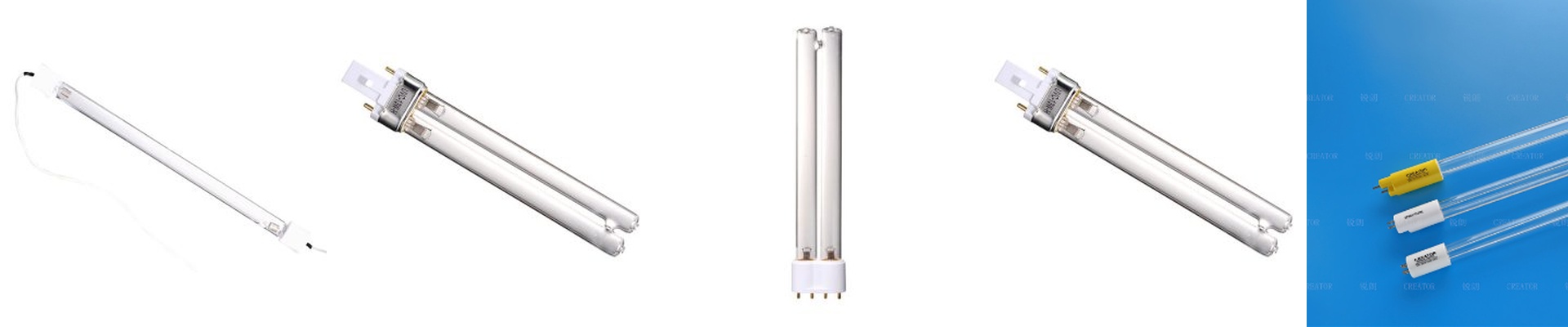
A Better Way to Handle UV Germicidal Lamps
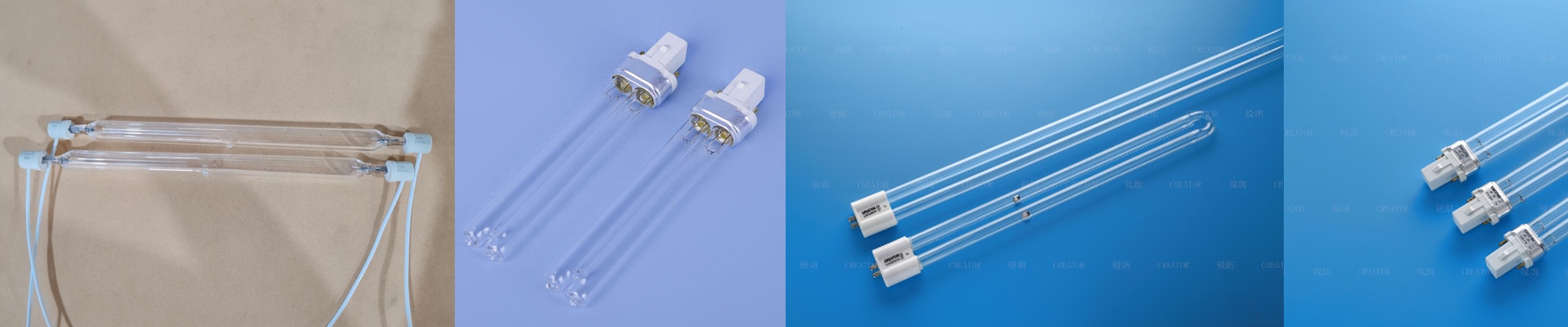
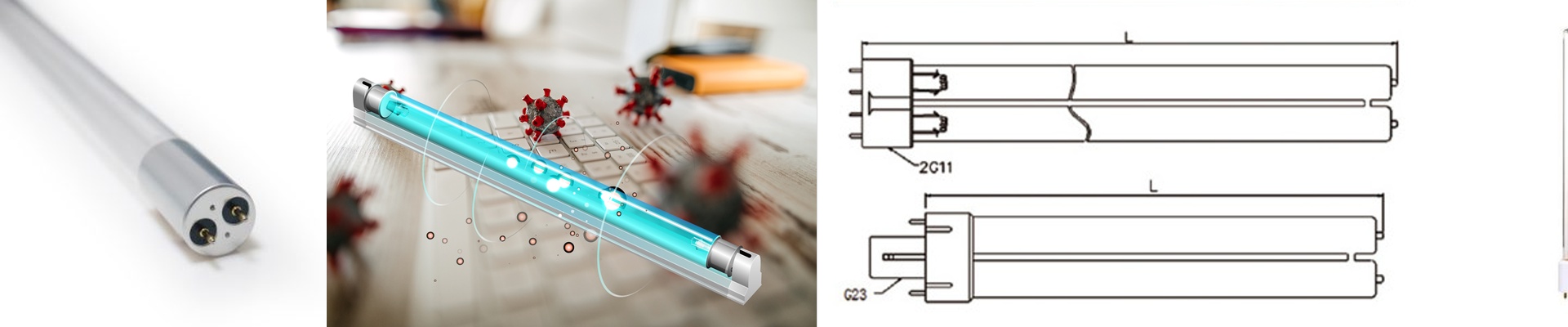
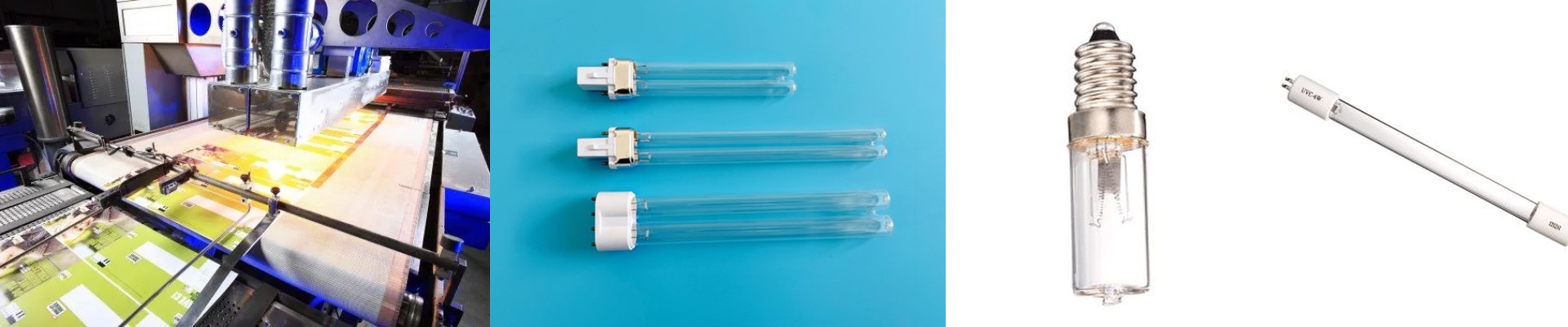
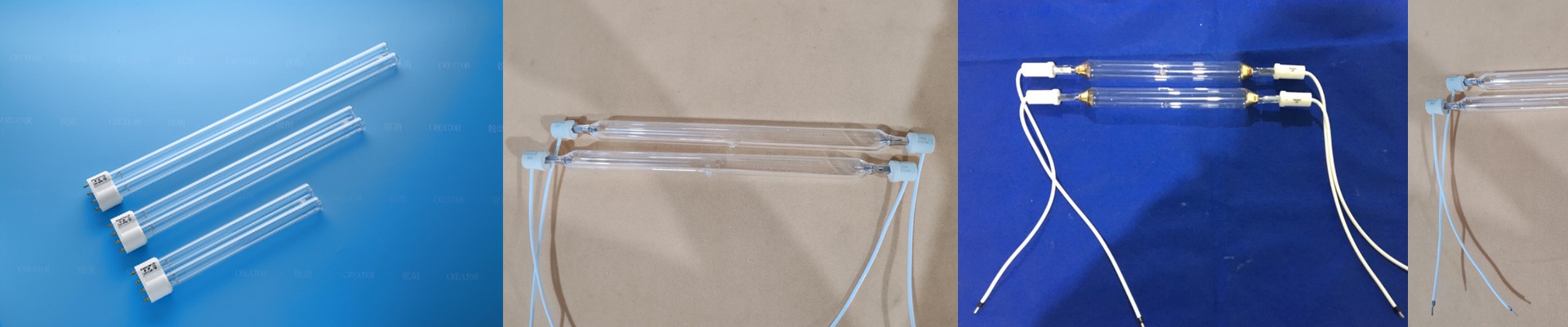
Let’s be honest: most UV lamps are a pain. They rely on mercury vapor, which works fine until it doesn’t. Then you’re stuck dealing with hazardous waste and the constant worry that a leak could shut down your production line. We decided that was enough. We’re moving toward a zero-pollution approach by ditching the toxic fillers for materials that actually play nice with the planet. Plus, we’ve pushed the lifespan further so you aren’t swapping bulbs every few weeks. The stuff we’re using We stripped out the mercury and the components that create ozone. Instead, we’re using high-purity synthetic quartz and some pretty clever phosphor coatings. The result? You get a steady UVC output without the fear of a toxic spill. And look, this isn’t just about “saving the earth.” It’s about the fact that you no longer have to run those annoying, specialized hazardous waste protocols on your shop floor. That’s a huge weight off your shoulders. Built to actually last Nothing kills your momentum like unexpected downtime. Most budget tubes have this habit of “sputtering”—where the electrodes wear down, the glass gets cloudy, and the UV intensity just tanks. We fixed that. By tweaking the electrode mix, these lamps hold a steady line of power for thousands of hours. You won’t see that sudden drop in performance that usually leaves you wondering if the lamp is even working. The trade-off Now, here is the catch. Eco-friendly materials don’t always play by the old rules. These lamps are a bit pickier about their starting voltage than the old mercury versions. If your power supplies are ancient, you’ll probably need to upgrade to new electronic ballasts. If you don’t, you risk burning the lamps out way too early. It’s a small hurdle, but it’s a necessary one to get the full power of the lamp. Getting it running The good news? The footprint is the same. These are basically drop-in replacements for most sterilization tunnels, so you don’t have to rebuild your whole setup. You’ll spend way less time climbing ladders to swap bulbs and more time actually running your line. Just a quick reminder: make sure your safety shielding is rated for this specific wavelength. We want to keep your team’s skin and eyes safe.