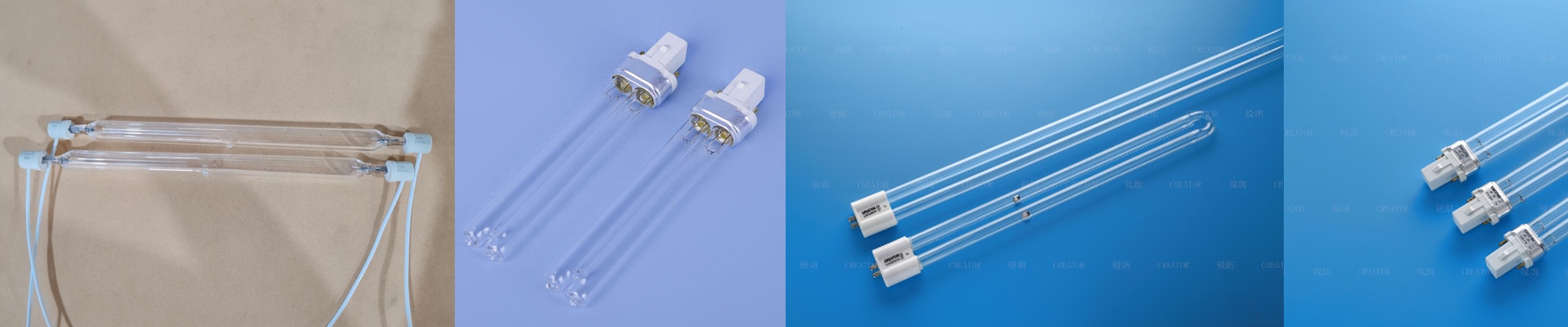
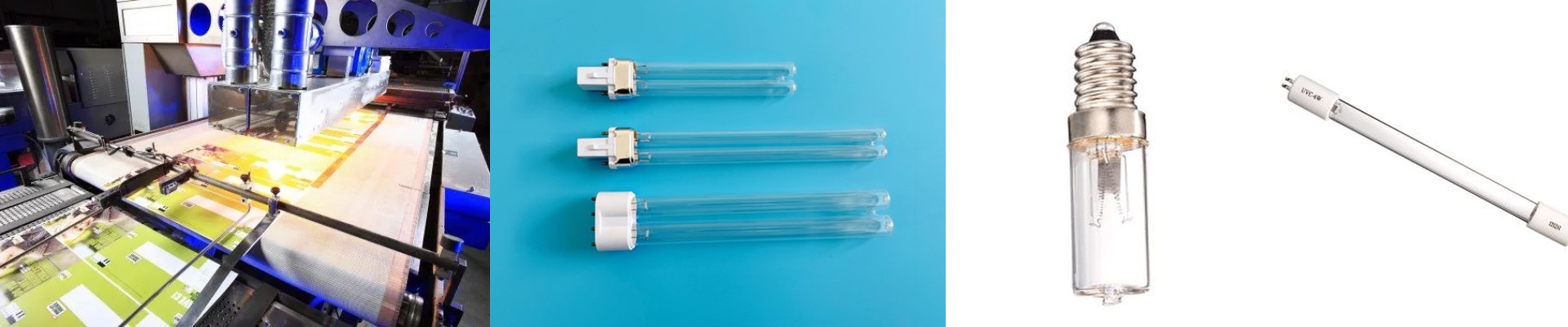
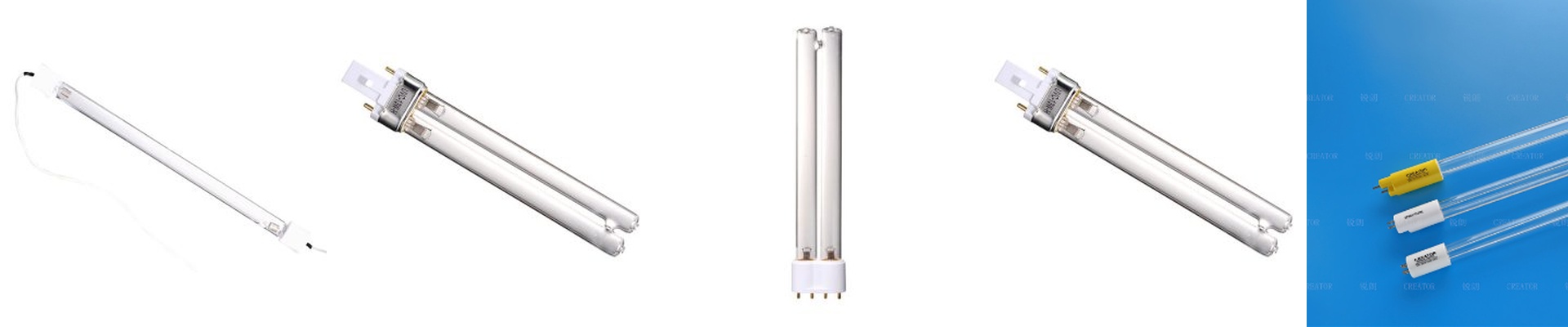
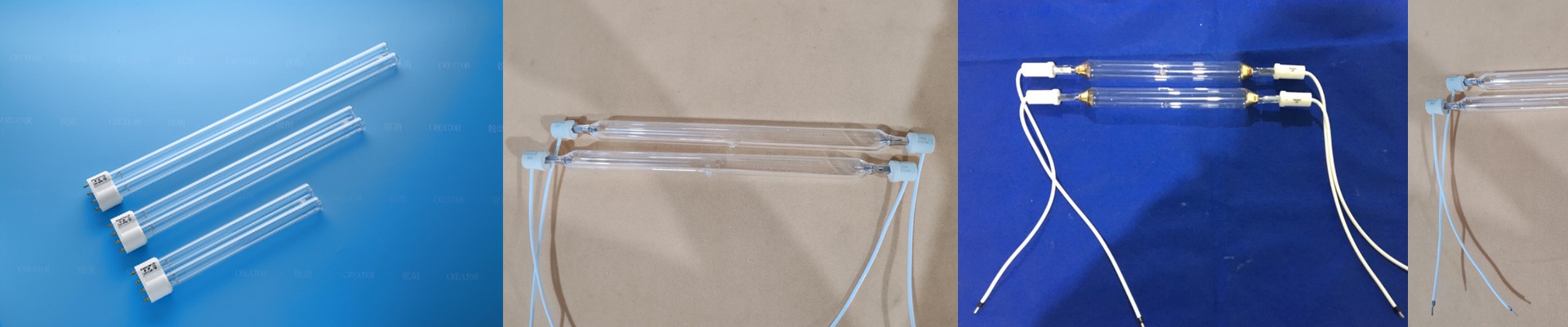
Let’s Talk About the 80W/cm Mercury UV Lamp
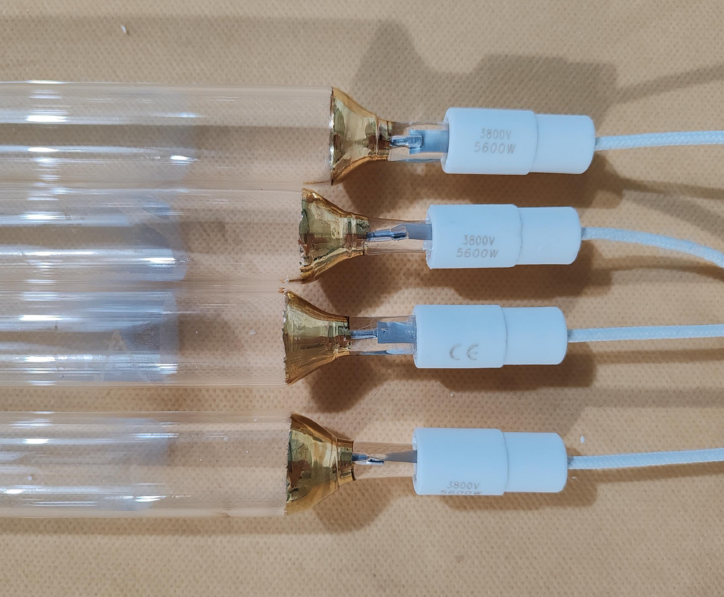
When we build these lamps, we’re focusing on one thing: getting your inks and coatings to dry fast. That “80W/cm” number you see? That’s just the linear power density. In plain English, it’s the main number you need to keep an eye on if you want your line speed to actually match how fast your product cures. The grit behind the power Think of 80W/cm as packing a massive amount of energy into a very small space. If you’ve got a 500mm lamp, you’re dealing with a 40kW load. It’s intense. We use high-purity mercury vapor to create those UVC and UVB wavelengths. That’s the “magic” that hits the photoinitiators in your resins and snaps them into a solid state. It’s a violent chemical reaction, but it happens in the blink of an eye. A word of warning: These things get hot And I mean really hot. Because of that heat, we use high-grade quartz glass. It’s tough, but it has its limits. If you try to run these without a solid cooling system, you’re asking for trouble. The quartz will stress out, and your lamp life will tank. You’ll want forced air or water-cooled jackets to pull that heat away from the tube. If you don’t, the electrodes will degrade, and you’ll be replacing bulbs way more often than you should. Getting it into your workflow We usually suggest these for high-speed printing or coating lines. 80W/cm is a bit of a sweet spot. It’s got plenty of punch for most solvent-based inks, but it won’t blow your electrical budget like those massive 120W/cm systems do. One last tip: check your ballast. Mercury lamps need a steady arc voltage. If the power supply doesn’t match the length of the lamp, you’ll get flickering. That leads to those annoying “tacky” spots in your print where the ink didn’t quite set. Nobody wants to deal with that.