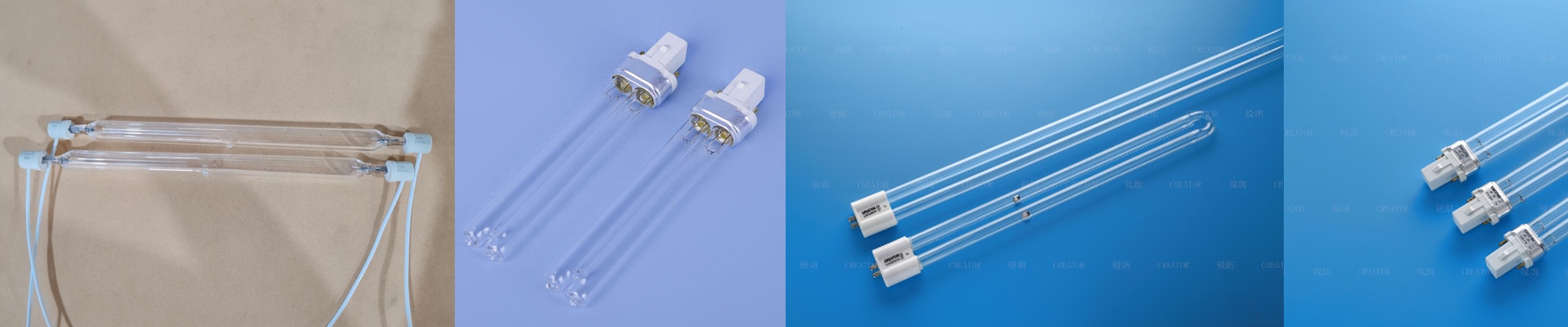
Getting the Science Right: How Our Mercury UV Bulbs Actually Work
When we build our mercury UV bulbs, we aren’t just trying to make a “bright light.” That’s not how this works. In the lab, we’re hunting for very specific nanometer ranges. Why? Because the resins you use in your industrial coatings are picky. They only react to certain wavelengths to trigger that hardening process.
The Magic Inside the Tube
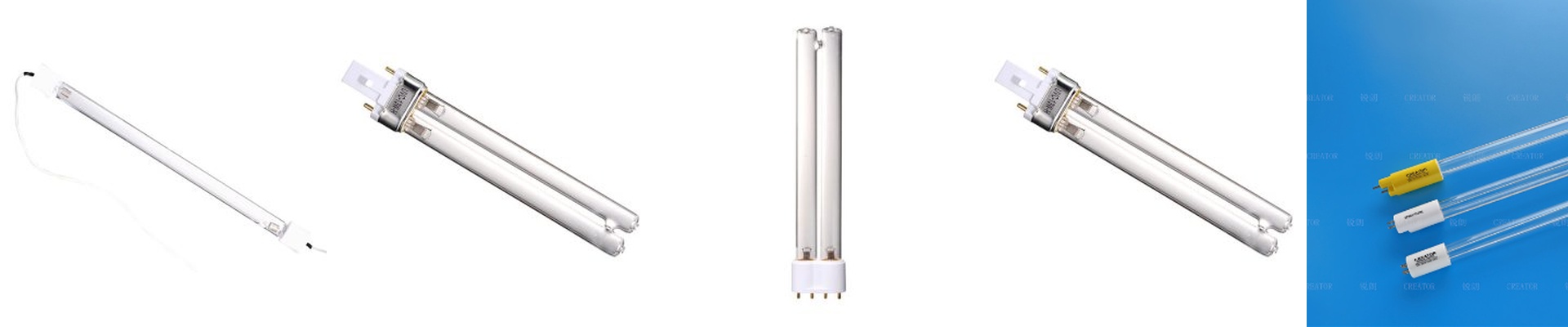
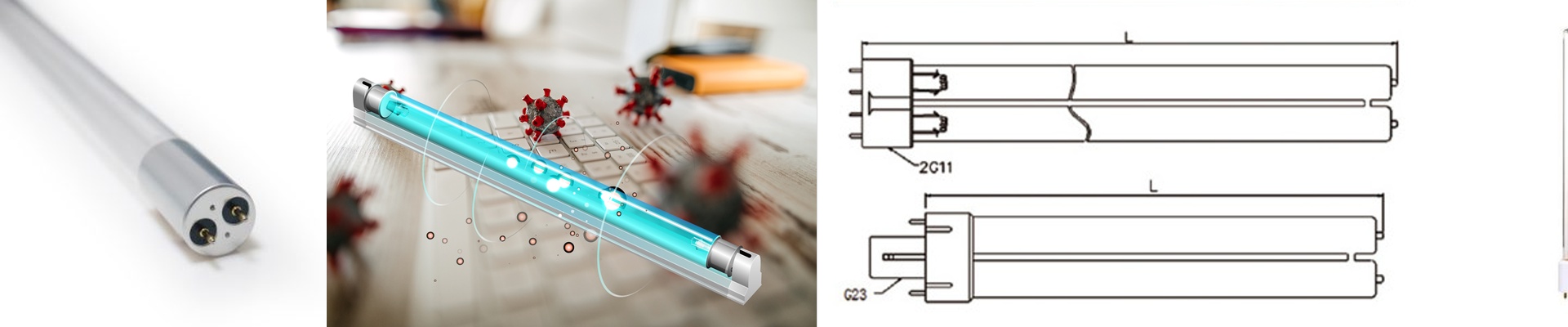
Here is the deal: we take mercury vapor and seal it inside a high-purity quartz envelope. Once we hit it with the right voltage, it creates a plasma discharge. This gives us a few key peaks—mostly around 254nm, 313nm, and 365nm. We don’t just pick these numbers out of a hat. We line them up exactly with the photoinitiators in your resins. If that wavelength drifts even a little, you’re in trouble. Your cure rate tanks. You end up with a surface that feels tacky to the touch or, worse, a product that’s barely cured underneath. Nobody wants to deal with that.
Why Quartz Matters (and the Heat Problem)
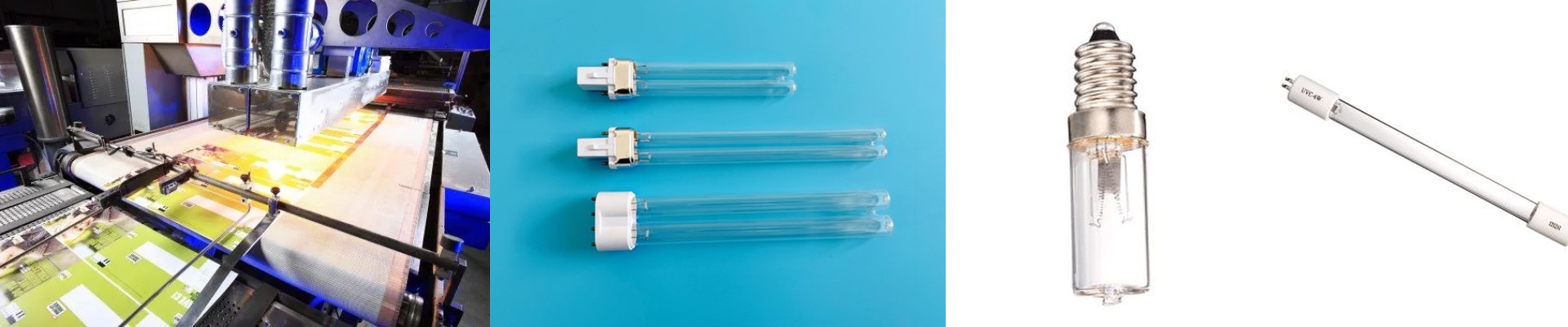
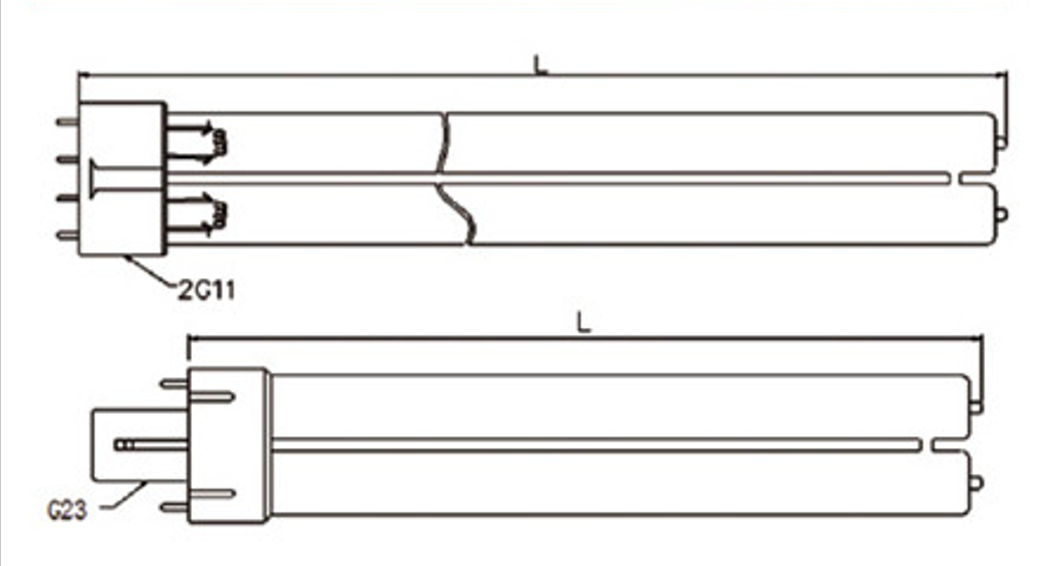
You might wonder why we use fused quartz for the tubing. Simple: regular glass is basically a wall for UV-C and UV-B radiation. It blocks the energy. Fused quartz lets that short-wave energy fly right through without slowing it down. But there’s a catch. These lamps gethot. Seriously hot. All that energy makes the quartz expand. We build our envelopes to take the stress, but you have to do your part. Check your cooling fans. Make sure your water jackets are actually doing their job. If the tube overheats, the light shifts and your bulb dies way sooner than it should.
Making it All Work Together
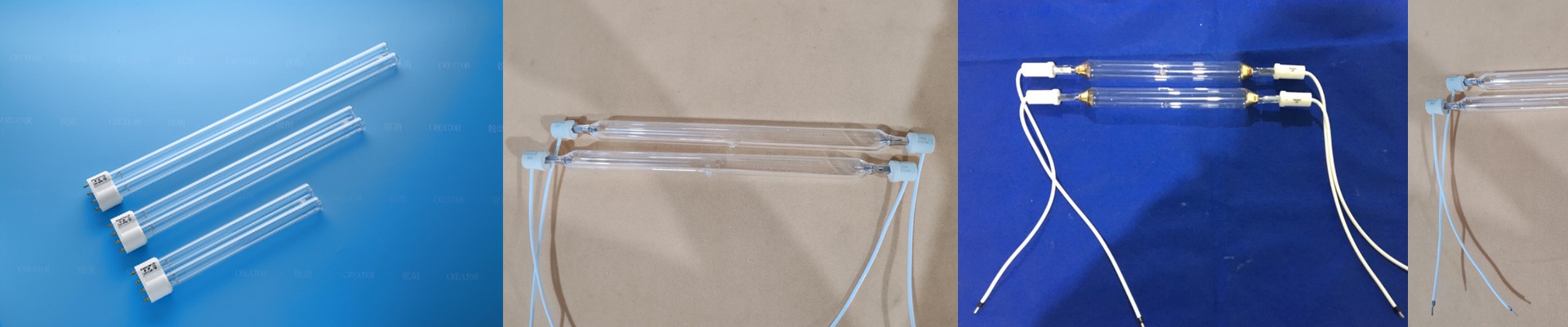
To get the most out of these, you need a rock-solid power supply. If your voltage jumps around, the light flickers and the spectral output gets unstable. We also spend a lot of time on the chemistry of the electrodes so the end-caps don’t burn out prematurely. Just remember: there is no such thing as a “one-size-fits-all” bulb. A bulb meant to cure something deep into the material looks very different from one meant for a quick surface flash-off. You’ve got to match the bulb to your specific ink or coating. If the wavelength is off, the energy doesn’t cure the product—it just turns into wasted heat.