Getting UV Right: The Real Deal on High-Pressure Mercury Lamps
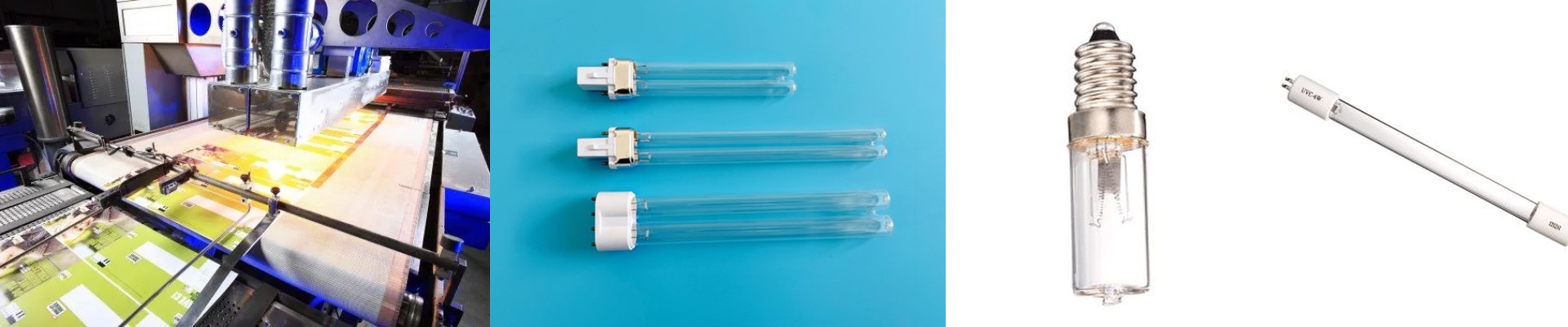
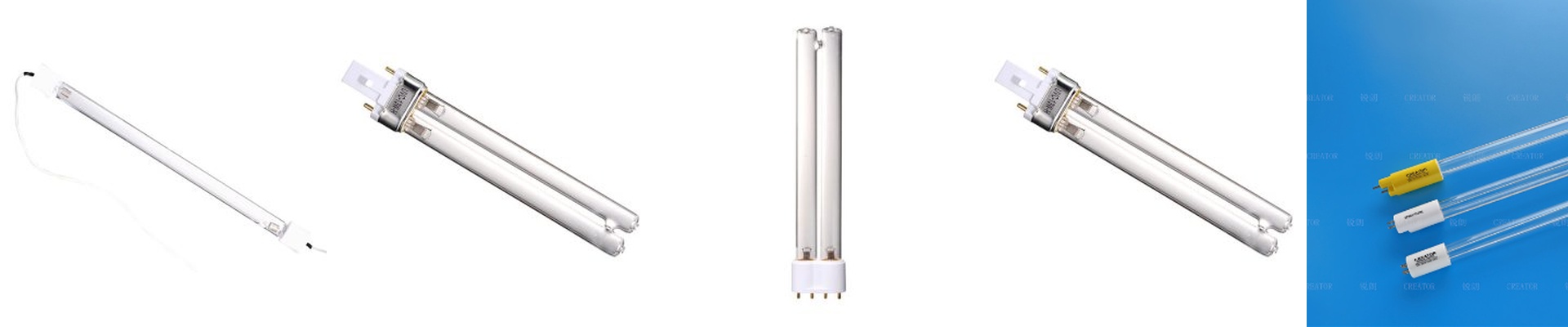
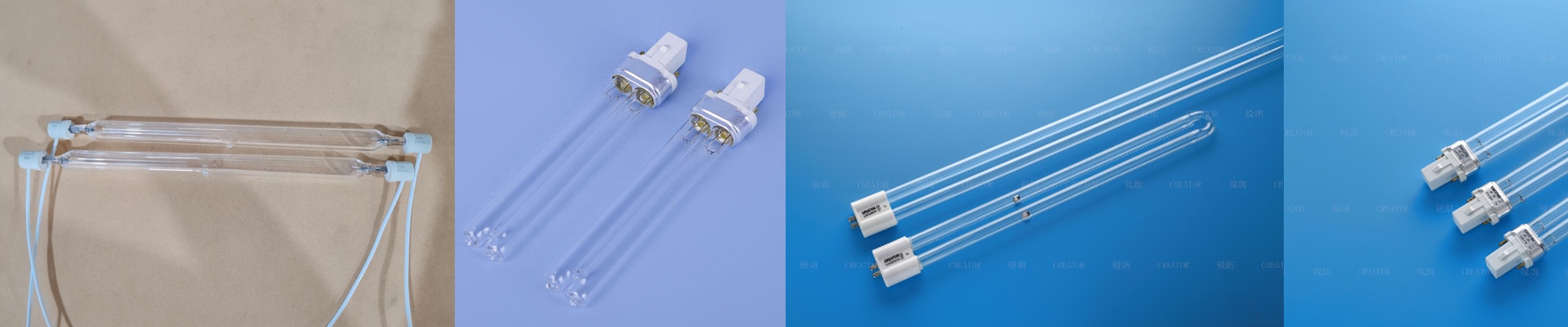
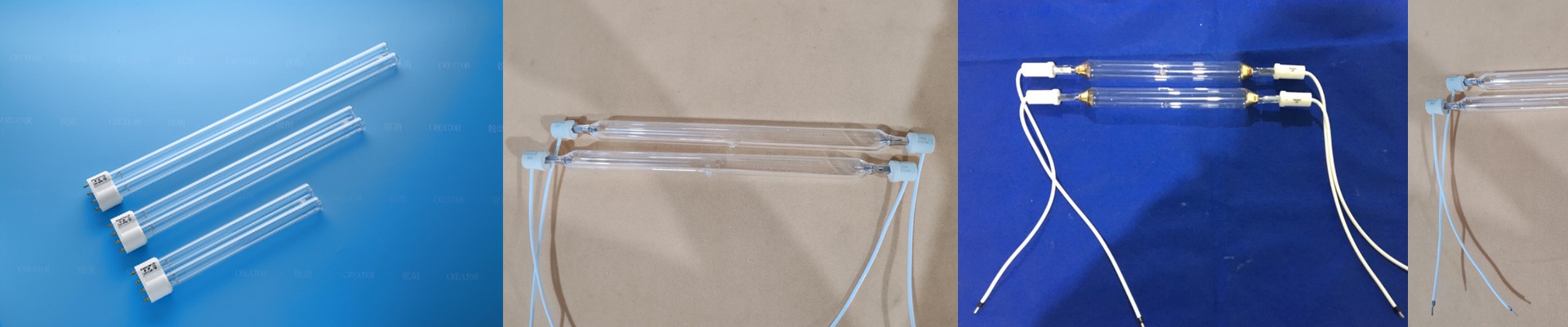
We don’t just make lamps. We’re in the business of controlling light. Looking toward 2026, we’re still doubling down on high-pressure mercury vapor because, frankly, precision is everything. When you’re trying to cure a specific resin or scrub a surface clean, the wavelength has to be exact. There’s no room for “close enough.” The science of the light Here is how it actually works: we ionize mercury vapor to create a plasma arc. By tweaking the internal pressure and the gas mix, we hit those sweet spots at 254nm and 365nm. It’s not about making the lamp “brighter.” It’s about where that energy lands on the spectrum. If you’re off by just a few nanometers, your curing speed plummets or, worse, you end up scorching your materials. To stop the glass from eating the shortwave UV before it even reaches your part, we use high-purity synthetic quartz. Dealing with the heat Putting that much power into a small tube creates a lot of heat. A lot. We build our tubes to take the punch, but there’s always a trade-off. If you push for insane line speeds, you’re risking electrode burnout. You’ve got to make sure your cooling fans or water jackets are actually doing their job. If the lamp gets too hot, the quartz softens, the arc starts to wander, and your uniformity goes right out the window. Making it work in your shop We design these to be drop-in replacements. Whether you’re plugging them into an old ballast or building something from scratch, the power supply is what makes or breaks the system. Voltage spikes are killers—they’ll pop a lamp in a heartbeat. We keep our tolerances tight so you get a steady stream of energy across the entire tube. No “cold spots.” That means you can keep the belt moving at full speed without worrying about a half-cured mess at the end of the line.