Getting the Hang of UV Curing in Industrial Printing
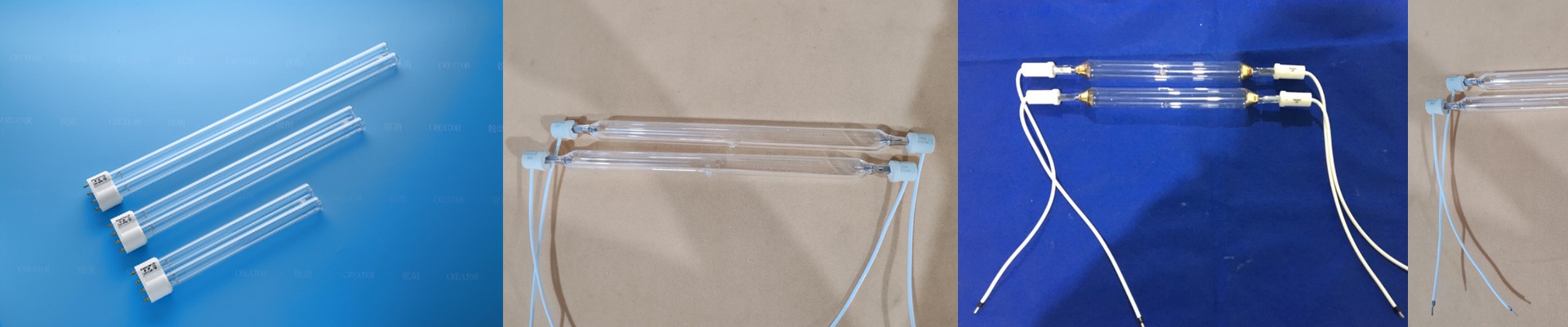
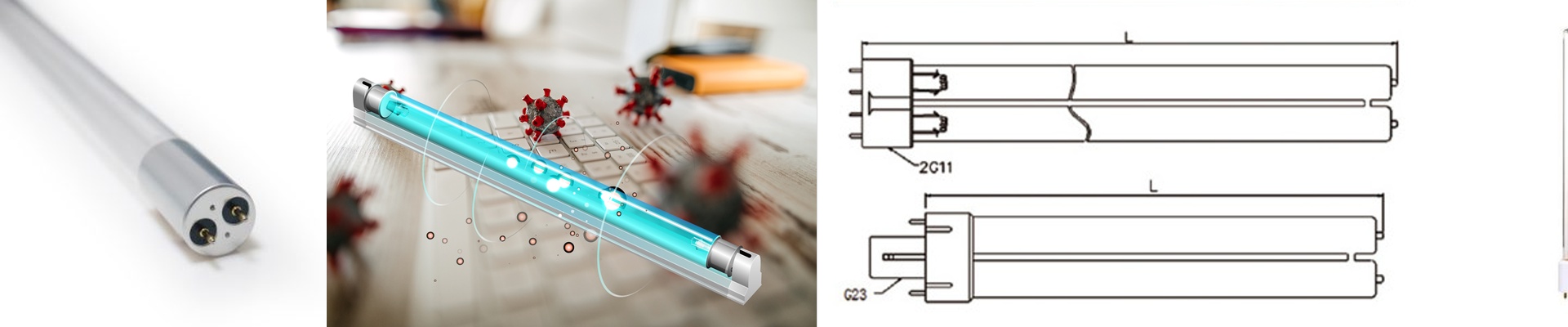
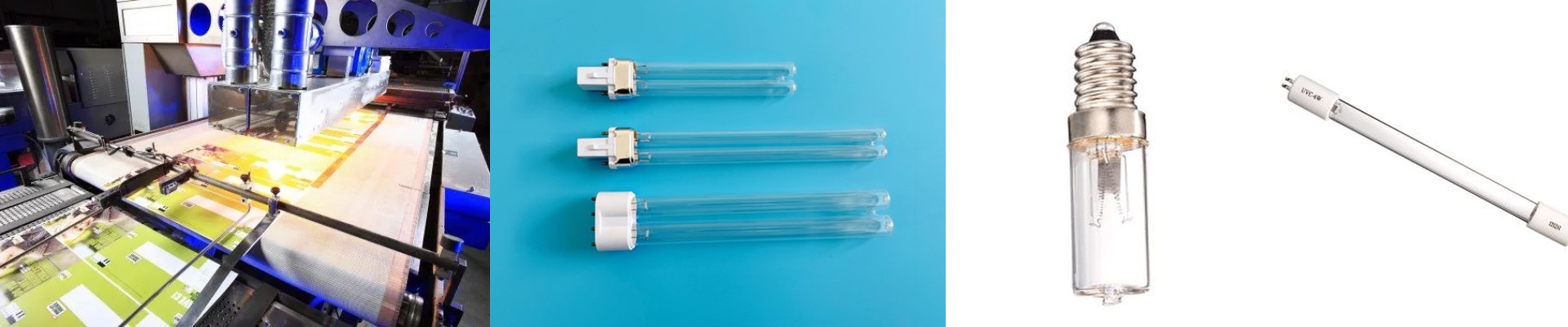
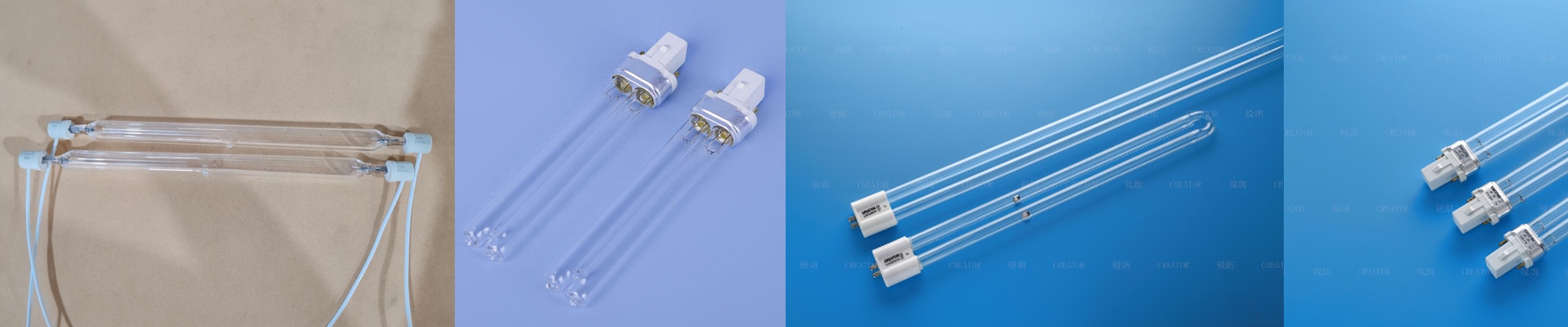
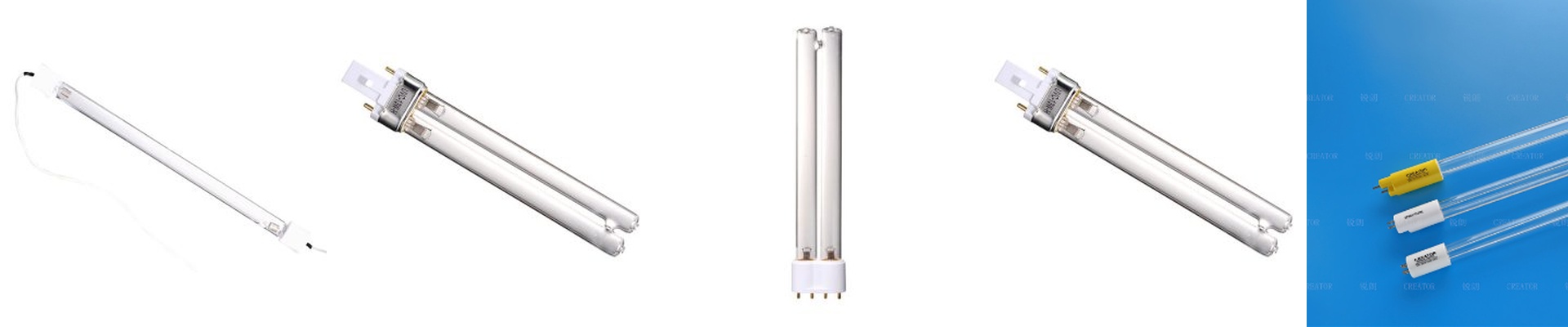
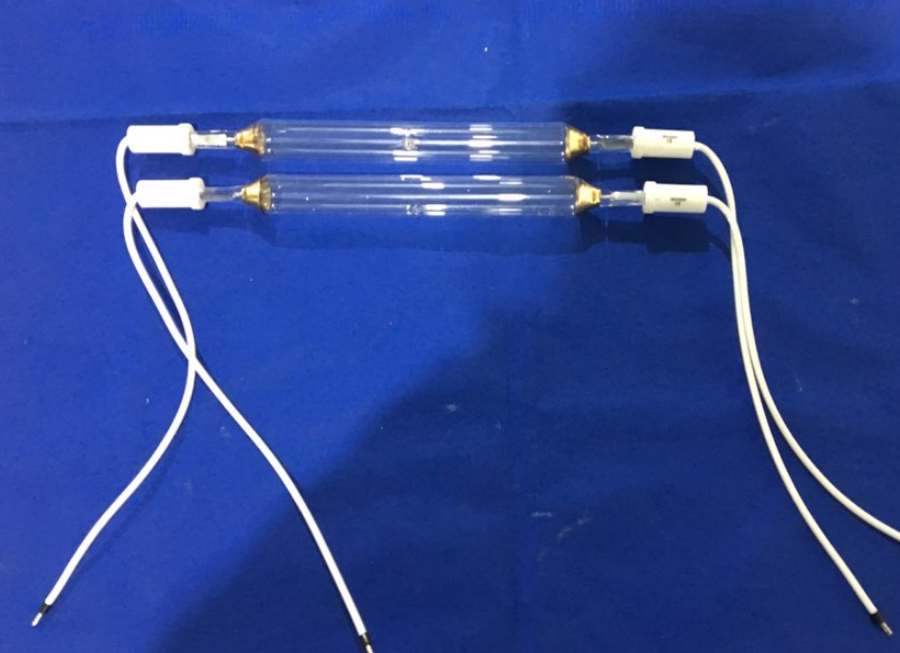
Let’s be honest: UV lamps are the real workhorses of the printing world. They do the heavy lifting, hitting liquid ink with just enough energy to snap it into a solid film in a heartbeat. Looking ahead to 2026, everyone in the trade is chasing the same thing: how to dry ink as fast as possible without accidentally melting the material underneath. The balancing act of power and heat Curing only works if the lamp and the ink are on the same page. If the light spectrum doesn’t match the photoinitiator in your ink, you’re just wasting electricity. We build these lamps to punch hard with UV-A or UV-C wavelengths. When you crank up the wattage, you get more irradiance. That means your conveyor belts can move faster, and you get more prints out the door every hour. But there’s a catch. More power means more heat. A lot of it. If your cooling fans or water-jackets aren’t up to the task, you’ll start seeing your PET or paper warp. It’s a delicate balance. What’s actually inside the tube? We use high-purity fused quartz for the envelopes. It’s the only way to let the UV light fly through while keeping the plasma arc contained. One thing to watch out for is “clouding.” Over time, the electrodes can sputter and gunk up the quartz. You’ll notice the light isn’t as punchy as it used to be. My advice? Keep a close eye on your run hours. It’s much better to swap a tube early than to realize halfway through a job that your ink isn’t fully curing. Keeping things running smoothly We try to make our units simple drop-in replacements. Nobody wants their line down for hours because of a hardware swap. The biggest headaches usually come from the wiring. Make sure your connections are tight to avoid any nasty arcing at the sockets. And please, double-check that your ballast matches the lamp’s voltage and current. If they don’t match, you’ll either starve the lamp of power or fry it way before its time. Oh, and don’t forget the alignment. If the lamp isn’t sitting perfectly in the reflector, you’re just heating up your machine frame instead of drying your ink.