Making Mercury UV Tubes That Actually Last
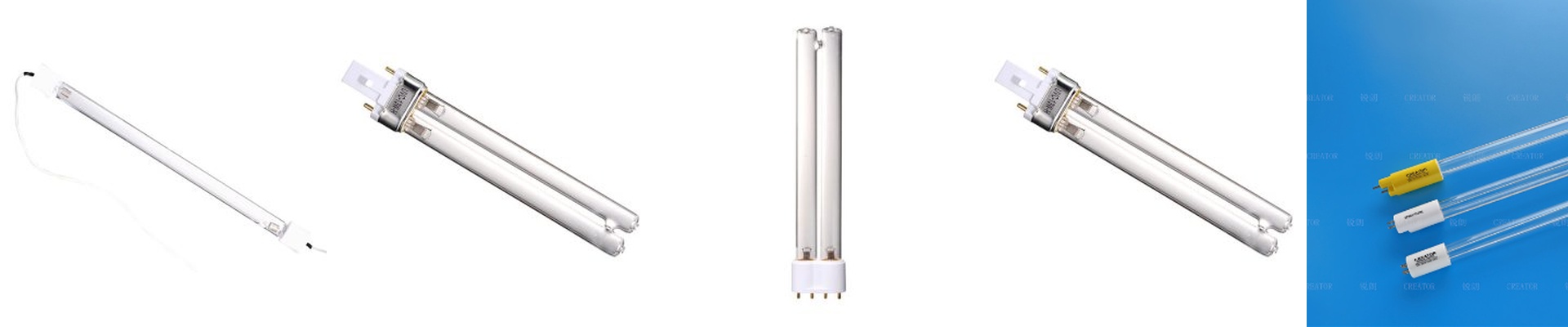
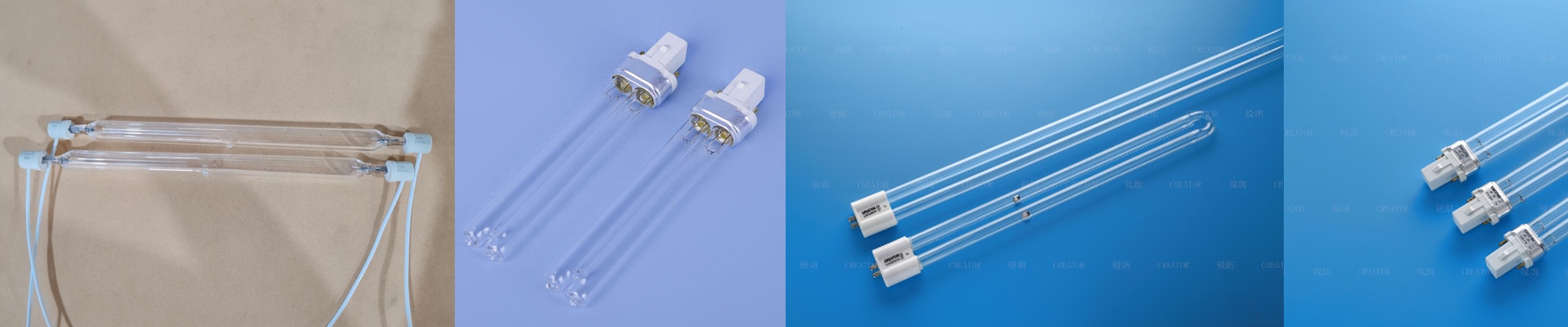
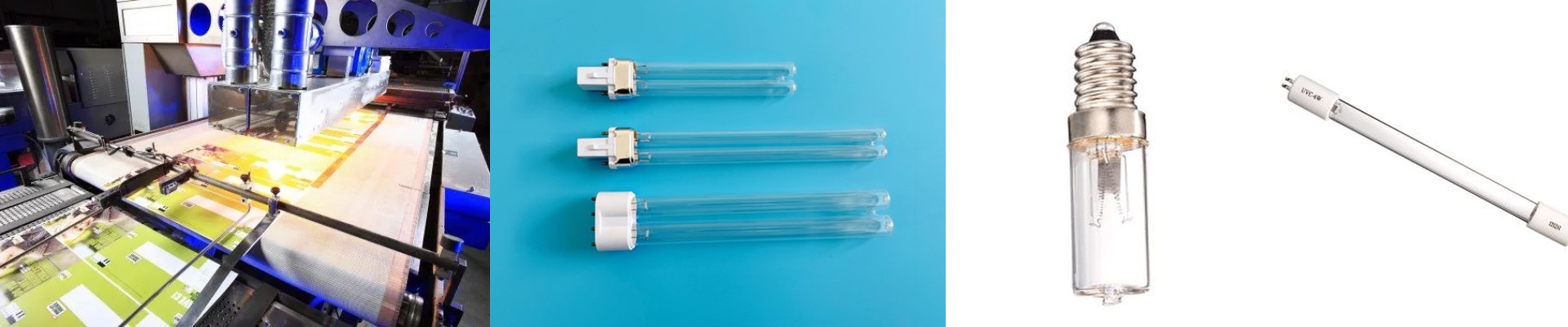
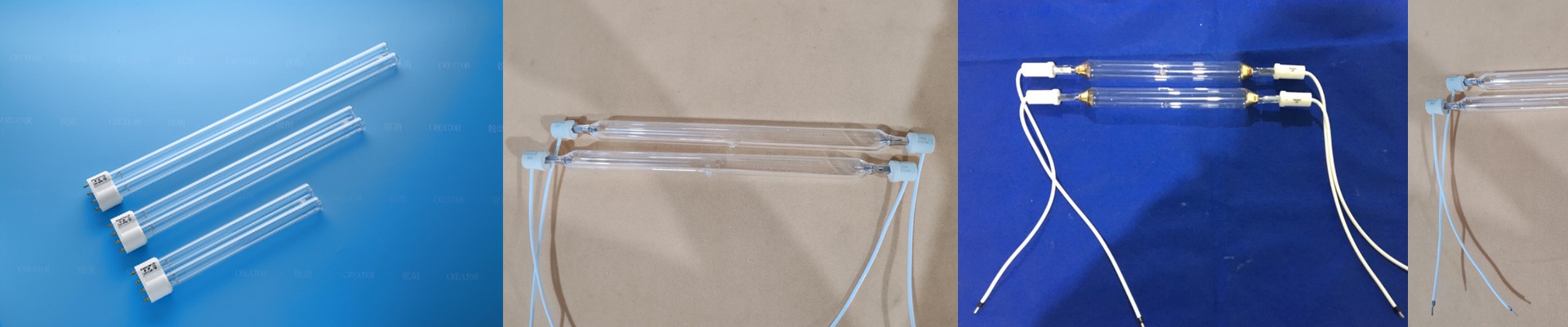
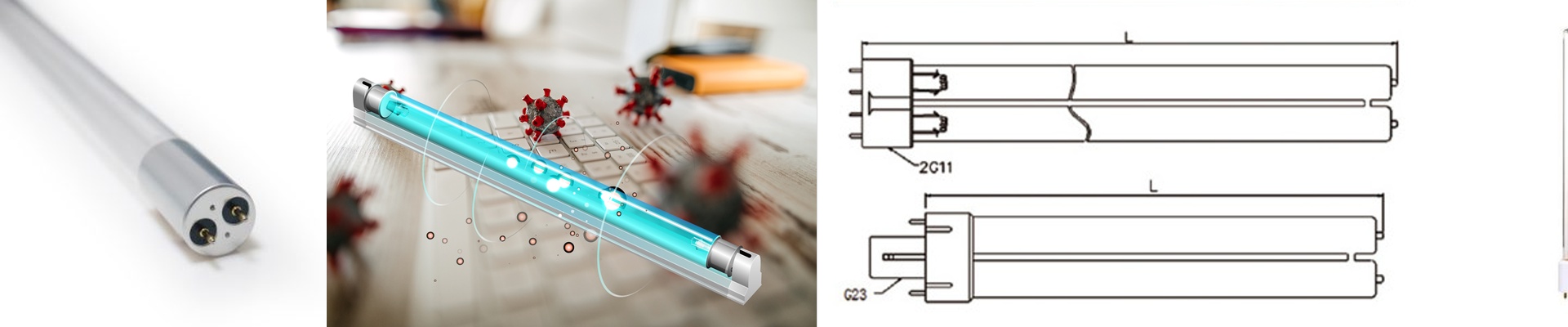
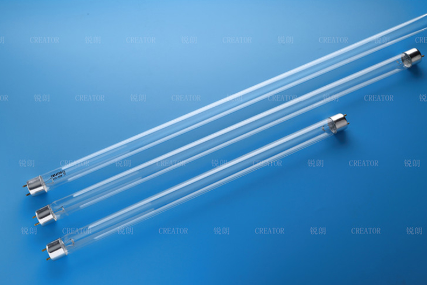
If you’ve ever worked with industrial printing, you know the deal. You need that ink to snap dry the second it hits the light. If it doesn’t, you’ve got a smeared mess and a lot of wasted material. That’s where our mercury UV tubes come in. They’re built to hit those specific light waves that trigger an instant cure. How they actually work Inside the tube, we use a low-pressure mercury vapor discharge. Once you hook it up to the ballast, an electrical arc kicks the mercury atoms into gear, pumping out UV light—mostly at that 254nm sweet spot. But the secret is really in the glass. We use high-purity fused quartz. Why? Because regular glass would just soak up the UV light. Plus, if the quartz isn’t pure, the heat gets trapped inside. That’s a recipe for a tube that burns out way too soon. The battle against heat Getting a UV tube to last isn’t some magic trick. It’s all about managing the heat. One thing we obsess over is the electrode composition. We do this to stop “sputtering.” That’s when tiny metal particles migrate and coat the inside of the glass. You’ll see it as a darkening effect, and it’s basically the beginning of the end for your UV output. And a quick heads-up: keep an eye on your cooling. These things gethot. If your conveyor fans quit or your air gap is too tight, the quartz is going to stress and eventually crack. Keep the air moving. Your equipment will thank you. Putting them to work These tubes are the workhorses of high-speed lines. Whether you’re curing PET coatings or detailed graphics, you want a perfect cure without scorching your material. We designed these to be simple drop-in replacements for your existing arrays. Just double-check that your power supply matches the wattage. Here’s a tip: don’t try to “over-drive” the tube just to speed up the cure. It might feel faster in the moment, but you’ll kill the lamp life. It’s much better to find that balance between your line speed and UV intensity. It saves you from the headache of unexpected downtime.