Getting Your Custom Gallium Iodide UV Lamps CE Certified
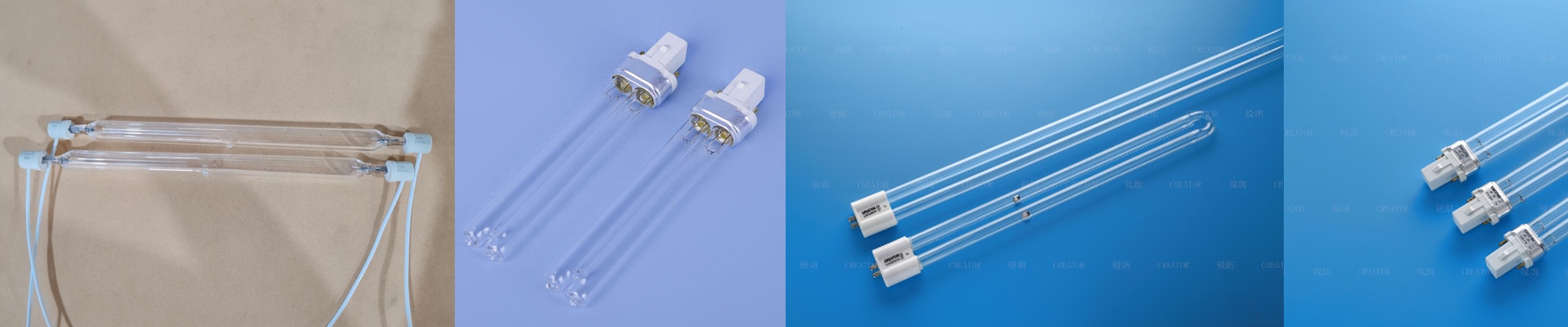
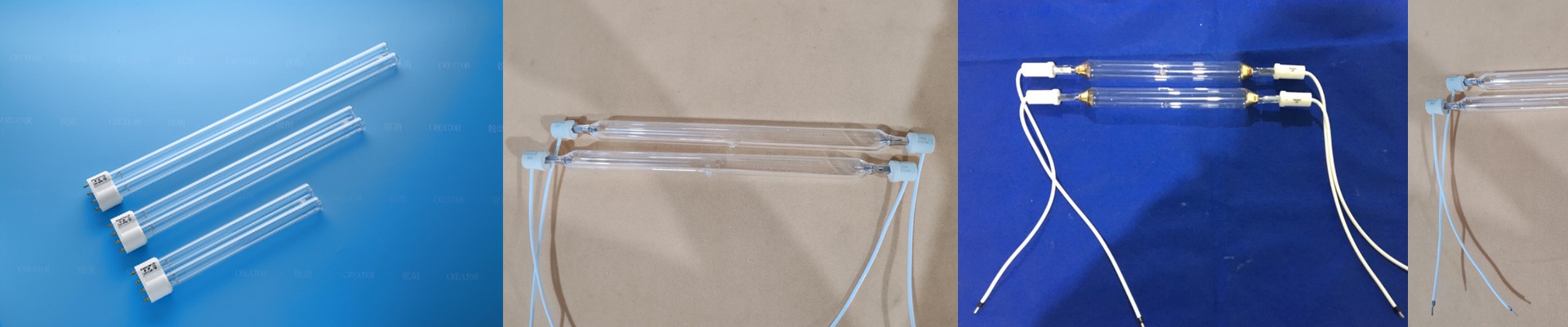
If you’re working with gallium iodide lamps, you already know they’re a different beast. They hit that specific UV spectrum you need for semiconductor work or high-end curing, and they have to be built to incredibly tight tolerances. But here’s the thing: the hardware is only half the story. If you’re an engineer trying to slot these into a production line, the CE mark is where the real peace of mind starts. It’s the baseline for electrical safety and EMC.
Why the CE mark actually matters
Think of the CE mark as more than just a sticker. It’s what stops your lamp or ballast from blowing a fuse or, even worse, leaking current into the machine chassis. Gallium iodide lamps are picky. They need precise voltage control to keep that discharge arc steady. If the power supply isn’t up to European safety standards, you’re looking at erratic output or a quartz envelope that fails catastrophically. We spend a lot of time testing for dielectric strength and insulation resistance because nobody wants a lamp shorting out right in the middle of a heavy industrial shift.
Trust and the paper trail
Let’s be honest. High-end buyers in Europe and North America aren’t interested in “unbranded” gear. They want a paper trail. When we hand over CE-certified lamps, we’re basically taking the liability off your plate. You get a guarantee that everything meets the Low Voltage Directive (LVD) and RoHS requirements. You can wire the system up and actually relax, knowing the components won’t off-gas weird chemicals or mess with your nearby sensors.
The balancing act: Customization vs. Compliance
Here is the tricky part. Getting a custom lamp certified takes time. We can’t just tweak the wattage on the fly and call it a day. We have to re-verify the thermal limits every single time. These lamps pack a lot of power into a tiny footprint, which means they gethot. If you push the wattage too high to get more UV output, you might trip over those CE thermal safety limits. That’s usually when we have to talk about beefing up your cooling fans to keep the housing temperature where it needs to be. It’s a bit of a trade-off, but it’s the only way to keep things safe and legal.