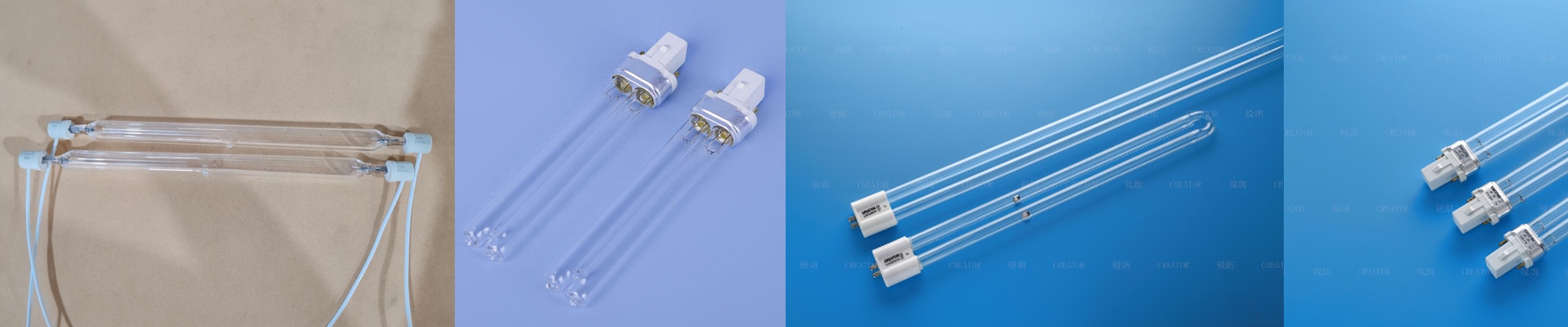
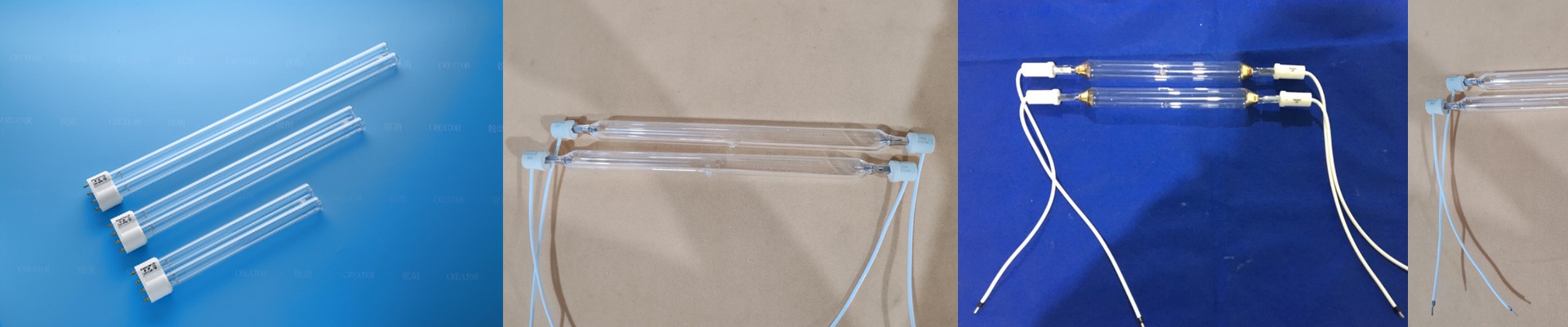
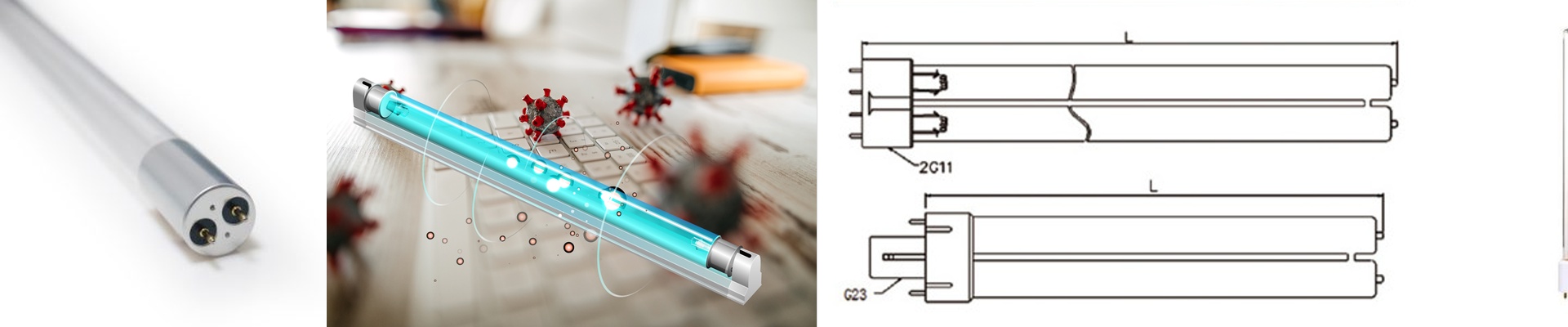
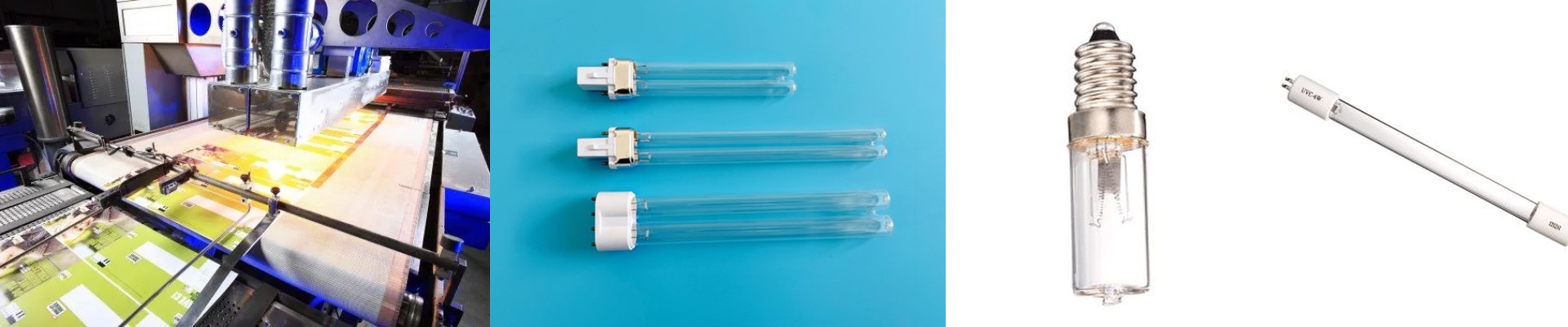
Getting the Most Out of Your 120W/cm Mercury UV Lamp
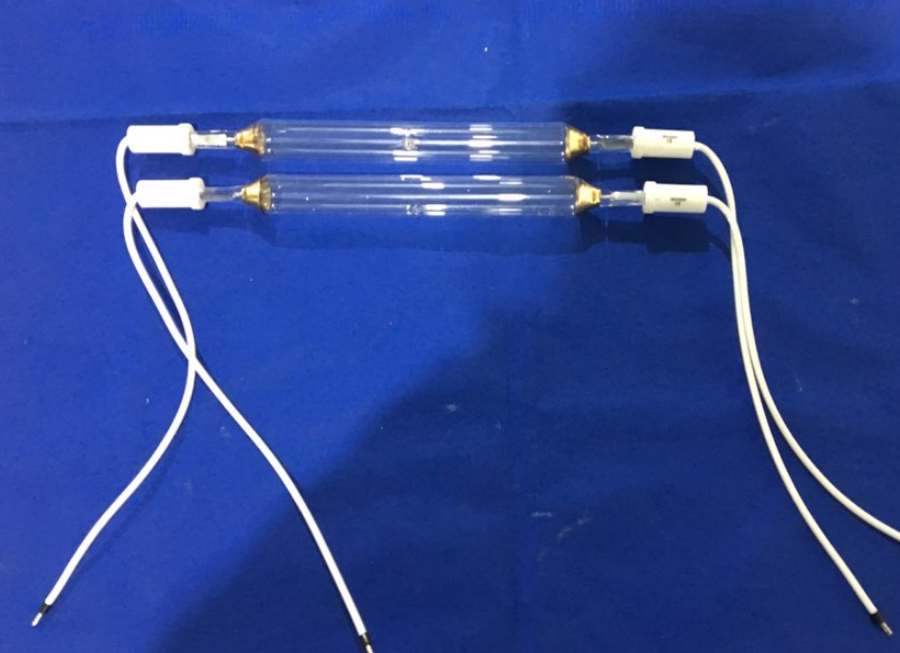
If you’re running high-speed textile printing, you know the drill. You need your inks and coatings to set now, or your whole production line slows to a crawl. That’s why we built the 120W/cm mercury UV lamp. It’s designed to hit your fabrics with a concentrated blast of short-wave UV light that kicks those photo-initiators into gear instantly. The power side of things Putting 120W into every single centimeter is a lot of energy in a small space. The upside? You can crank up your line speed without worrying if the ink is actually curing all the way through. It locks those pigments into the fiber fast. But here’s the thing: all that power brings some serious heat. Along with the UV light, you’re getting a lot of infrared energy. If you don’t have a solid cooling system or a decent heat shield in your conveyor, you’re playing with fire. Literally. You could end up scorching your synthetic fabrics or seeing the material shrink right under the lamp. The science (kept simple) We use a mercury-discharge setup because it hits the exact spectral peaks that industrial textile inks love. Once the arc stabilizes, the light is tuned perfectly to make the ink bond. We also use a heavy-duty quartz envelope. It’s tough enough to handle the internal pressure and high heat without getting cloudy, which would otherwise kill your output. Real-world tips for the shop floor Think of these lamps as your final safety check. They make sure the ink is fully polymerized so you don’t deal with smudging or bleeding when the fabric gets rolled up or folded for shipping. A couple of warnings before you plug them in:**Check your ballasts.**If the impedance doesn’t match the lamp, you’ll see flickering, or worse, the lamp will just burn out way too early. And if you’re running 24/7 shifts, don’t wait for the lamp to go dark to replace it. The mercury vapor wears down over time. Your UV output will start to dip long before the bulb actually pops. Keep a strict replacement schedule based on your hours, and you’ll avoid those nightmare “half-cured” batches.