
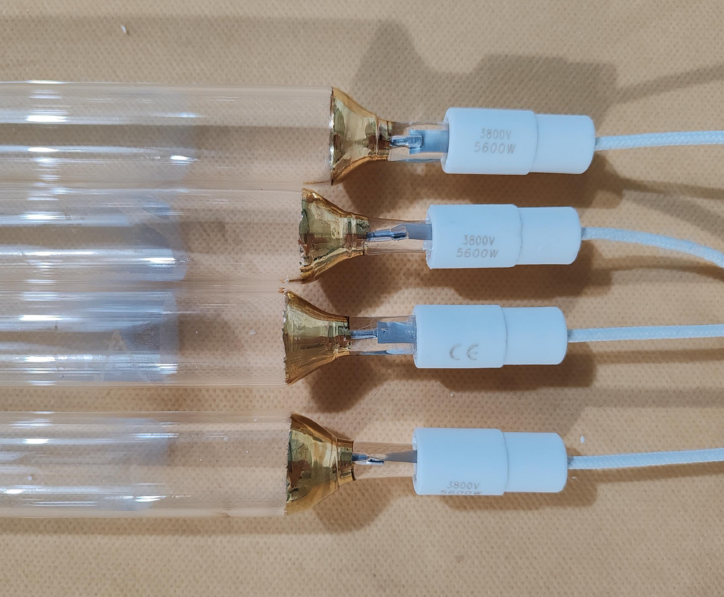
Getting the Most Out of the 80W/cm Mercury UV Lamp
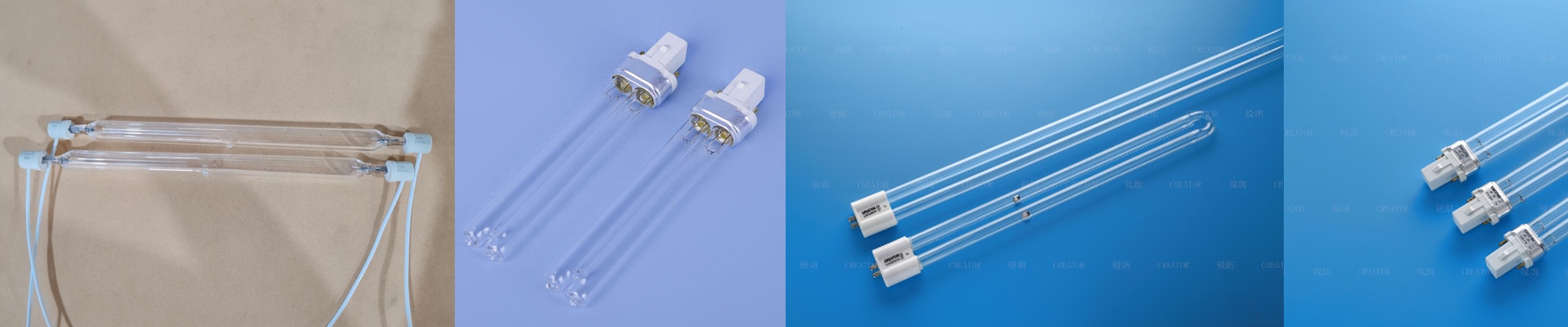
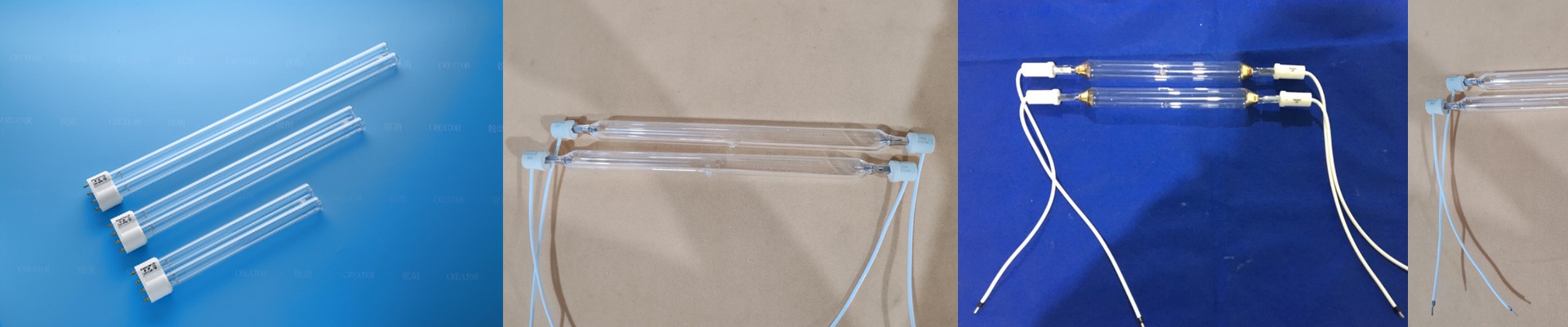
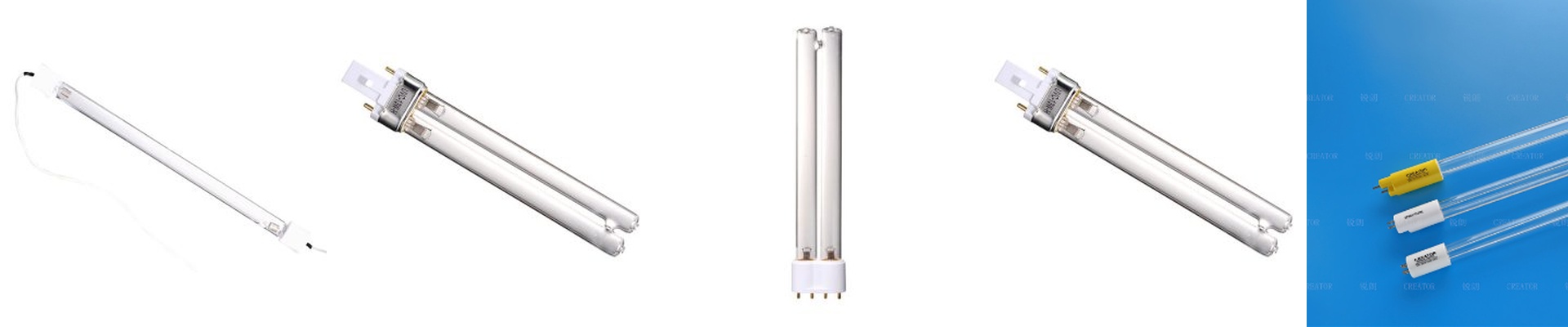
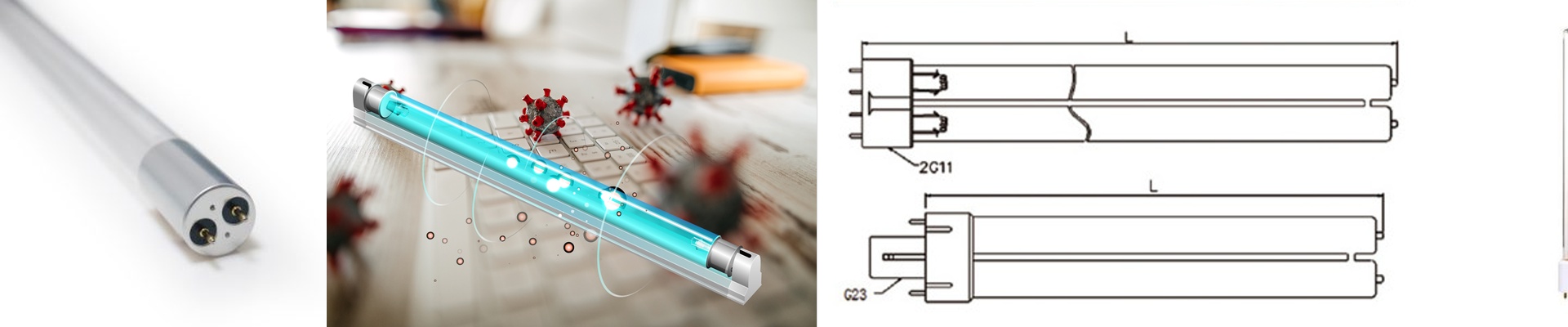
Let’s talk about the 80W/cm mercury UV lamp. If you’re in the business of rapid curing or surface sterilization, you know that consistency is everything. There’s nothing worse than a “patchy” cure because your power density dipped in the middle of the tube. That’s why we build these to hit a steady, reliable dose across the entire length. The Heat Factor Here’s the thing: 80W per centimeter is a lot of energy. It’s powerful, but it gets hot. Really hot. To keep the glass from cracking under that kind of thermal stress, we use high-purity fused quartz. It’s tough. But the lamp can only do so much on its own. You’ve got to make sure your cooling—whether you’re using air or water jackets—is actually up to the task. If the tube overheats, your UV output drops and the lamp dies way sooner than it should. What’s Happening Inside Under the hood, it’s all about creating an electric arc through mercury vapor to get that strong 254nm peak. We spend a lot of time tweaking the gas fill and the electrodes. Why? Because we want to stop premature burn-out before it starts. We’ve balanced the wattage so you get the irradiance you need without blowing out your ballast. Cutting Out the Noise We decided to handle the whole production chain ourselves. From sourcing the quartz to assembling the electrodes, we do it all. Plus, it means we don’t have to bake in a middleman’s markup. You get a lamp with a perfect vacuum and pure mercury fill, but at a price that actually makes sense for your budget. Setting It Up These are designed to be simple drop-in replacements. They should fit right into most standard curing systems without a fuss. Just a quick tip: when you’re wiring them up, double-check that your ballast is compatible. You don’t want any unexpected voltage spikes. And remember, UV-C output isn’t permanent. It fades over time. It happens to every lamp. The best move is to keep an eye on your run-hours and swap the tubes out before your surfaces start coming out uncured. It’s much easier to replace a bulb than it is to redo a whole batch of product.