The Real Deal on High-Pressure Mercury UV Lamps in Textiles
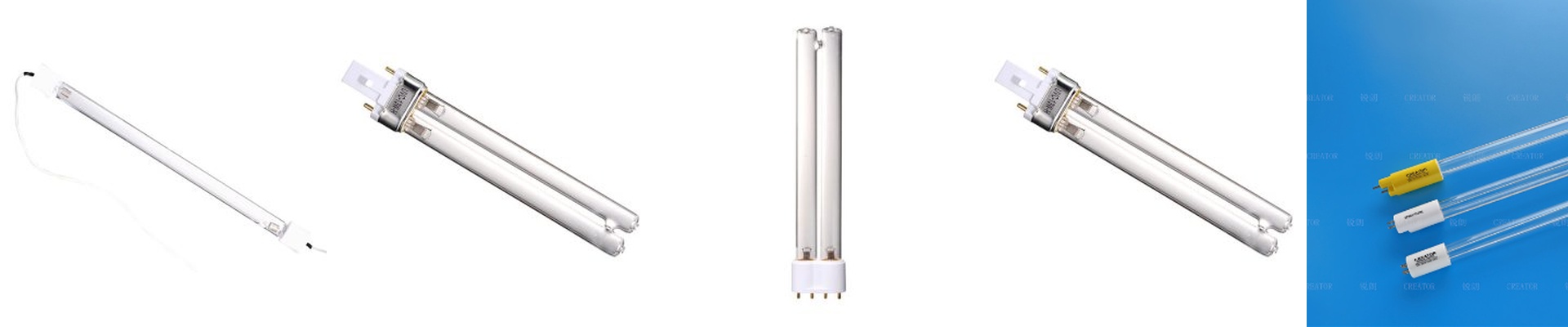
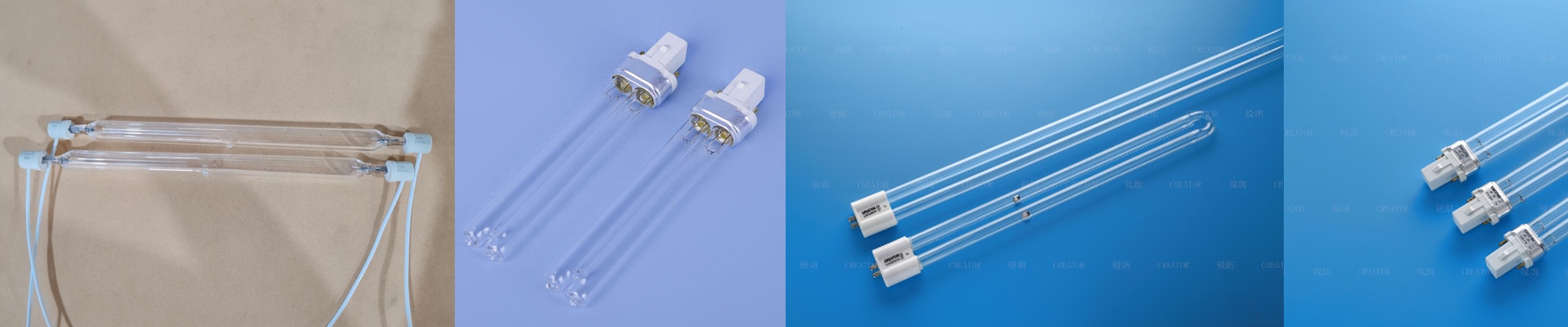
If you’ve ever wondered how a printed t-shirt stays crisp after twenty washes, the secret is usually UV curing. It’s the invisible workhorse of the factory. High-pressure mercury lamps do the heavy lifting here, blasting inks and coatings with enough UVC and UVB radiation to lock everything in place instantly. You’ll see them everywhere—from the initial print to the final touch-ups.
Why the “High Pressure” Part Matters
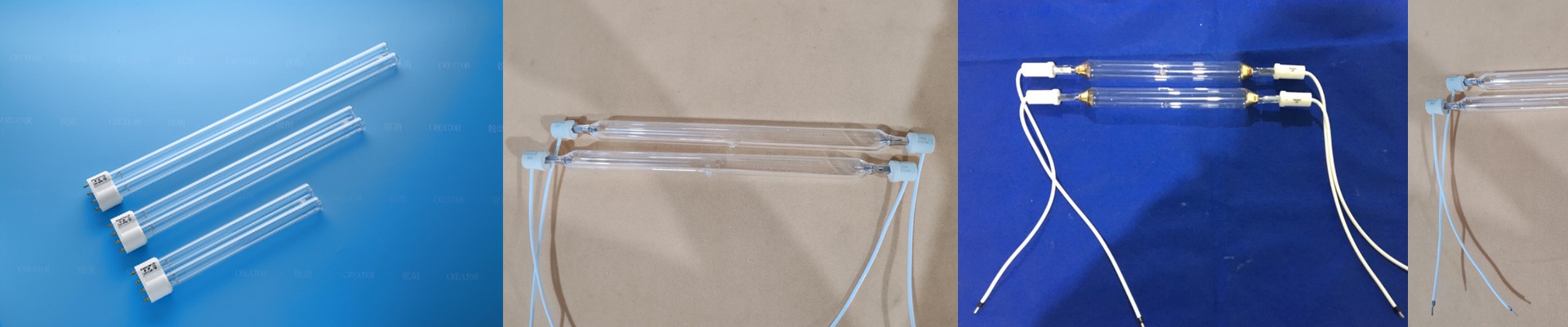
Think of these lamps as the powerhouses of the UV world. They push mercury vapor inside a quartz tube to create a concentrated burst of energy. Why bother? Because textiles are thirsty. They soak up light. If you use a weak bulb, the ink just sits there. But with high-pressure lamps, you get a deep cure. This means you can crank up the conveyor belt speed and still know the ink is bone-dry and bonded to the fabric. It’s fast. Really fast. And that changes everything for your daily output.
The Catch: Heat
Here is the thing: all that power comes with a lot of heat. A huge chunk of the electricity going into these lamps turns into infrared radiation. If you just plug in a high-output array and call it a day, you’re asking for trouble. You’ll either scorch your fabric or fry the lamp itself. Before you flip the switch, check your cooling. Make sure your exhaust fans can actually move the amount of hot air those bulbs are pumping out. It’s a simple calculation, but skipping it is a great way to ruin a batch of expensive material.
How They Actually Fit Into Your Shop
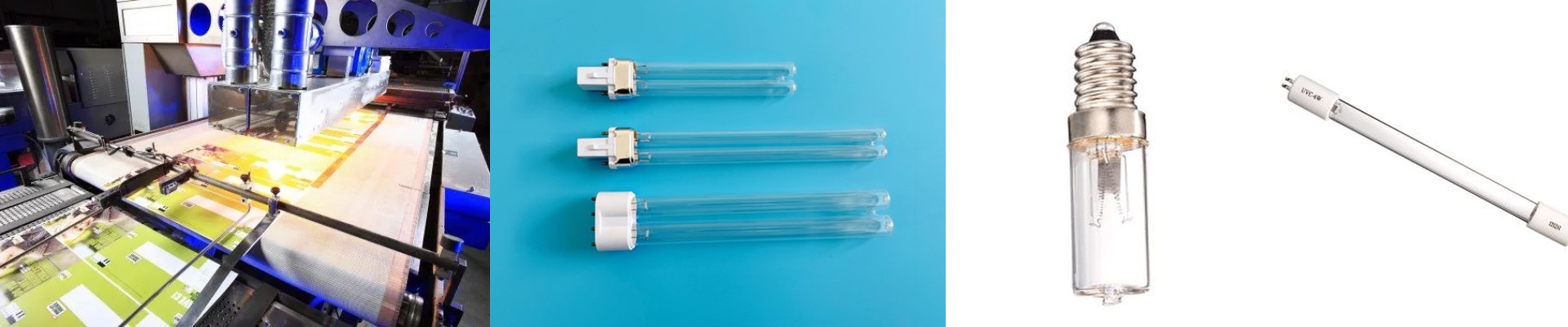
Depending on what you’re making, you’ll probably use these in one of three ways: *The Tunnel: Great for those massive rolls of fabric that just need to move through and get cured in bulk. *Spot Curing: For when you need to hit a specific detail or a small logo without heating up the whole garment. *In-line: These are tucked right into the print head carriage, curing the ink the second it hits the cloth. Whether you’re waterproofing a jacket or adding a flame retardant, the UV light just bridges the polymers to the fiber. When it’s time to swap a lamp, it’s a pretty easy drop-in job. Just a heads-up:**be obsessive about the voltage and length.**If they don’t match perfectly, you’ll blow the ballast, and then you’ve got a much bigger headache on your hands.